2026 Top SPC Plank Flooring Trends You Should Know?
As we look ahead to 2026, SPC plank flooring continues to dominate the flooring industry. Its unique blend of durability, style, and affordability makes it a popular choice among homeowners and designers alike. SPC, which stands for Stone Plastic Composite, combines stability with a beautiful aesthetic. This material offers exceptional resistance to moisture and wear, making it suitable for various environments.
Trends in SPC plank flooring are evolving rapidly. Designers focus on colors, textures, and eco-friendly materials that resonate with contemporary tastes. From rich, wood-like appearances to sleek, modern designs, options abound. Consumers are drawn to flooring that not only enhances their space but also aligns with sustainability goals.
The growth of SPC plank flooring reflects changing preferences and lifestyles. However, as with any market, potential buyers should critically evaluate their choices. Understanding the long-term value of SPC products is essential. Engaging with professionals can provide insights, but familiarity with the latest trends is equally important. The right choices can elevate a home’s aesthetic while ensuring practicality and lasting value.
Top SPC Plank Flooring Trends for 2026: Key Factors to Consider
As we look ahead to 2026, understanding the top SPC (Stone Plastic Composite) plank flooring trends becomes essential for homeowners and designers. The rise in sustainability is a noteworthy factor. Many are opting for eco-friendly materials. SPC flooring often includes recycled content, appealing to environmentally-conscious consumers. This trend indicates a shift towards greener choices in home renovations.
Color and texture trends are evolving too. Natural wood aesthetics are still popular, but expect more bold colors and patterns. Geometric designs can add character to any room. Textured finishes can create a more authentic feel. However, these choices can be subjective. What feels contemporary to one might seem outdated to another.
Durability remains a vital consideration in SPC flooring. While these materials are generally strong, understanding potential weaknesses is crucial. Some products may scratch more easily than expected. Researching options is important to avoid future regret. Balancing aesthetics with practicality is key when selecting flooring. It's worth taking time to explore available options thoroughly.
Emerging Design Aesthetics in SPC Plank Flooring for 2026
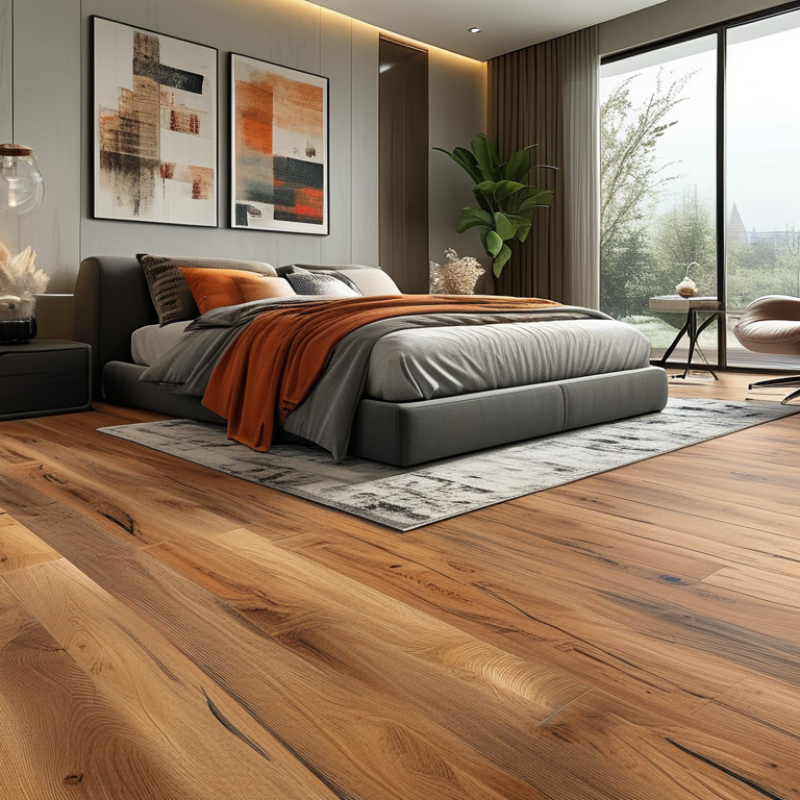
In 2026, the SPC plank flooring market continues to evolve with fresh design aesthetics. Homeowners are increasingly drawn to natural textures and subtle colors. Recent industry reports indicate that 45% of consumers prefer earth tones and wood-like finishes. These choices reflect a desire for warmth and a connection to nature within indoor spaces.
Another emerging trend is the use of geometric patterns. This design style adds depth and visual interest to flooring applications. According to a 2023 market analysis, geometric SPC designs have seen a rise in popularity, with a 30% increase in consumer interest. Home interiors are becoming more eclectic as these bold patterns complement various decor styles.
Despite these trends, it is essential to consider the durability of the materials. Some SPC products may not perform well under high moisture conditions. This poses questions about their longevity in certain environments. Industry experts recommend thorough research to ensure the chosen flooring aligns with specific usage needs. By balancing aesthetics and functionality, consumers can make better-informed decisions.
2026 Top SPC Plank Flooring Trends
Durability and Sustainability: The Future of SPC Plank Flooring Materials
As homeowners become increasingly aware of environmental impact, the demand for durable and sustainable materials rises.
SPC plank flooring emerges as a frontrunner in this trend. Made from a unique combination of limestone and stabilizers, SPC offers enhanced durability while being environmentally friendly. It's resistant to moisture, scratches, and stains, making it ideal for high-traffic areas.
Sustainability in flooring materials doesn't just focus on the product itself; it also encompasses the production processes. Unlike traditional vinyl flooring, SPC manufacturing often employs eco-conscious practices. This includes low VOC emissions, which contribute to healthier indoor air quality. Consumers can enjoy a stylish floor while supporting greener choices.
Still, questions linger about the long-term recyclability of SPC. While many manufacturers claim recyclability, the reality varies. The industry needs clearer guidelines for responsible disposal. Adaptation and progress are essential as the market evolves. SPC may hold promise, but its journey toward sustainability is ongoing.
Technological Innovations Shaping SPC Plank Flooring Industry Dynamics
The SPC plank flooring industry is rapidly evolving due to technological innovations. Advanced production methods have emerged. 3D printing and enhanced imaging techniques allow for stunning visual effects. Homeowners can now enjoy the look of natural wood without the maintenance issues. This technological shift has made SPC flooring more appealing and accessible.
However, not all innovations have been perfect. Some manufacturers struggle with ensuring consistent quality in their products. It's essential for consumers to research manufacturers. Understanding the manufacturing process can aid in making informed choices. Sustainability is another issue. While some innovations promote eco-friendliness, others may not fully address environmental concerns.
As the industry continues to grow, staying updated is crucial. Technological advancements reshape what we expect from SPC flooring. Each year brings new styles and features, driving consumer interest. This dynamic landscape presents both opportunities and challenges for manufacturers and consumers alike.
2026 Top SPC Plank Flooring Trends You Should Know
| Trend |
Description |
Impact |
Expected Adoption Rate (%) |
| Sustainable Materials |
Increase in use of recycled and eco-friendly materials in SPC flooring production. |
Promotes environmental sustainability and appeals to eco-conscious consumers. |
75% |
| Enhanced Durability |
Improvements in wear resistance and lifespan due to advanced manufacturing techniques. |
Increases customer satisfaction and reduces replacement costs. |
80% |
| Smart Flooring Technology |
Integration of smart technology to monitor floor conditions and provide maintenance alerts. |
Enhances user experience and prolongs flooring life through proactive maintenance. |
40% |
| Water-Resistant Options |
Increased availability of water-resistant SPC options suitable for high-moisture areas. |
Expands market reach into bathrooms and kitchens. |
70% |
| Aesthetic Customization |
Trends towards more customizable designs and color options to match interior styles. |
Attracts diverse consumer preferences and enhances market competitiveness. |
65% |
Market Growth Projections for SPC Plank Flooring in 2026 and Beyond
The SPC plank flooring market is poised for significant growth by 2026. This growth is fueled by the increasing demand for durable and easy-to-install flooring solutions. Homeowners are increasingly aware of the benefits of SPC flooring, which combines aesthetics with practicality. It remains not only affordable but also offers resistance to moisture and wear.
In terms of market dynamics, more consumers are seeking eco-friendly options. This shift reflects broader trends in sustainability. Manufacturers are expected to innovate with designs that replicate natural materials while meeting environmental standards. However, the challenge lies in balancing cost and quality. Some cheaper options may sacrifice durability, leaving consumers dissatisfied.
As we look toward 2026, the SPC flooring industry must adapt to consumer expectations. Staying informed on trends is crucial for industry players. Understanding market needs can guide the development of products that resonate with customers. There is also an opportunity for education on proper installation and maintenance. This knowledge can prevent future issues that may affect satisfaction rates.





 Send Email
 whatsapp
 Whatsapp
