
Leave Your Message
Global buyers are watching Spc Plank Flooring as resilient flooring demand expands across residential and commercial projects. Grand View Research valued the global luxury vinyl flooring market at approximately USD 24 billion in 2023. Its report also projects continued growth through 2030, supported by renovation activity and waterproof flooring demand. Fortune Business Insights reports similar momentum in the broader vinyl flooring sector, although market boundaries differ between research firms.
The numbers are encouraging. They are not perfectly comparable. Some reports combine SPC, LVT, and other resilient products. That weakness matters when comparing suppliers, prices, and production capacity. This guide, “7 Best SPC Plank Flooring Suppliers for Global Buyers,” therefore examines more than attractive catalog images. It considers core density, wear-layer thickness, locking-system precision, formaldehyde testing, fire performance, production consistency, and export experience.
As Dean Thompson, former president of the Resilient Floor Covering Institute, has emphasized, “Installation is the foundation of flooring performance.” That practical observation remains easy to overlook. A rigid plank can still fail over uneven concrete, poor acclimation, or careless joint alignment. Ask for recent test reports, batch photographs, and installation guidance. Request samples. Inspect the click edge under direct light.
The strongest suppliers usually communicate clearly about tolerances, packaging, minimum order quantities, and replacement policies. Not every factory deserves the same confidence. Some websites promise everything. Verification is the difference. This shortlist aims to help distributors, developers, and importers identify dependable Spc Plank Flooring partners while recognizing one uncomfortable truth: the lowest quotation may create the highest installed cost.
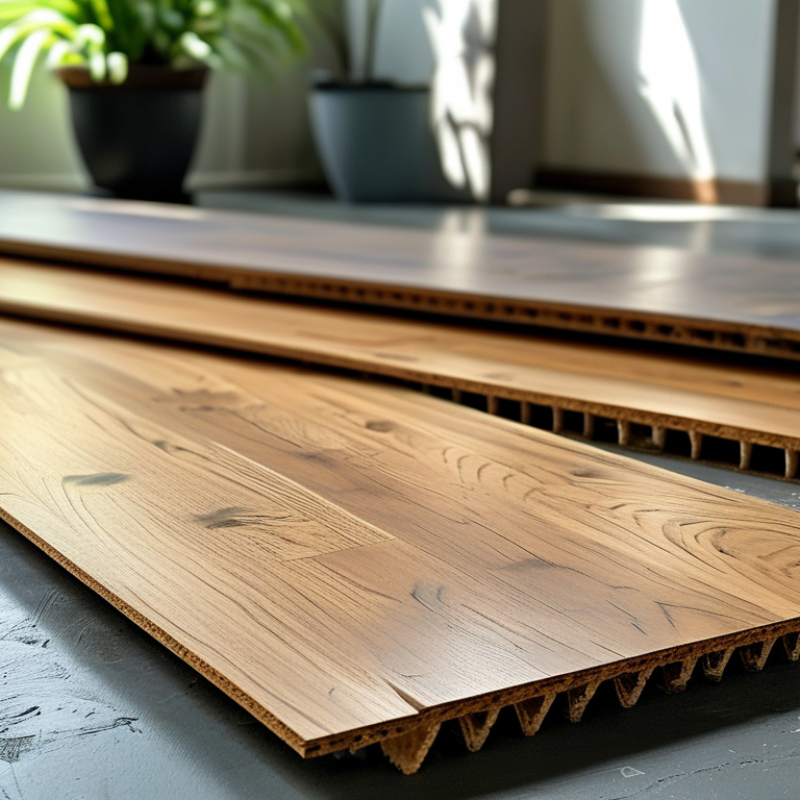
SPC plank flooring is a rigid luxury vinyl product with a stone-polymer composite core. It usually combines a UV-coated surface, printed décor film, wear layer, and backing pad. The core adds firmness and limits movement during normal temperature changes. This structure suits apartments, hotels, and retail spaces with rolling carts, shoes, and frequent cleaning. It is not simply plastic flooring. Small wording difference, major buying issue.
Global buyers often choose SPC because it handles moisture better than many wood-based alternatives. A spilled drink can be wiped away quickly. Click-lock edges may also reduce installation time and site waste. However, waterproof planks do not make a wet subfloor safe. Uneven concrete, trapped moisture, or poor expansion gaps can still cause failure. In flooring project reviews, I often see buyers focus on wear-layer thickness while ignoring floor preparation. That is an expensive blind spot.
For international sourcing, buyers should request the full construction, wear-layer thickness, plank dimensions, locking profile, packaging details, and test reports. Ask whether the attached pad suits the intended underlayment. Check slip resistance, dimensional stability, emissions, and fire performance against project requirements. Samples should be installed over the actual subfloor, not only inspected by hand. Color can shift under warehouse lighting. It happens. A reliable supplier explains tolerances, batch control, replacement procedures, and realistic lead times. SPC is practical and durable, but performance depends on both the plank and the installation system.
| Rank | Supplier Qualification Profile | Typical SPC Plank Construction | Recommended Product Range | Key Buyer Advantages | Documents and Tests to Request | Best Fit for Global Buyers |
|---|---|---|---|---|---|---|
| 1 | Export-Ready Full-Service Supplier | Stone-plastic composite core, decorative film, transparent wear layer, UV coating, and click-lock profile. | Overall thickness: 4–6.5 mm Wear layer: 0.30–0.70 mm Common plank width: 180–230 mm |
Coordinates production, export packaging, inspection, and shipping support through one procurement channel. | Technical data sheet, packing list, certificate of origin, test reports, installation guide, and moisture-control documentation. | Importers seeking a complete sourcing solution for multiple markets. |
| 2 | High-Wear Commercial Flooring Supplier | Rigid SPC core with a thicker commercial wear layer and protective surface finish. | Wear layer: commonly 0.50–0.70 mm Slip resistance: request project-specific rating Surface: embossed or low-gloss finish |
Better suited to heavier foot traffic in retail, hospitality, offices, and shared facilities. | Abrasion resistance, dimensional stability, slip resistance, fire performance, and commercial-use classification reports. | Commercial contractors, hotel projects, offices, and retail developments. |
| 3 | Water-Resistant Residential Supplier | Low-absorption rigid mineral core with sealed click joints and a protective top layer. | Thickness: 4–6 mm Wear layer: 0.30–0.50 mm Suitable areas: kitchens, halls, living rooms, and bathrooms when installation instructions permit |
Easy cleaning, strong resistance to routine spills, and greater dimensional stability than many standard laminate products. | Water-resistance test method, dimensional-change data, installation requirements, underlayment compatibility, and warranty terms. | Residential distributors, remodeling suppliers, and private-label home-improvement programs. |
| 4 | Custom-Design and Private-Label Supplier | Standard SPC construction with configurable colors, embossing, plank dimensions, packaging, and labeling. | Common lengths: 1,220–1,520 mm Custom width, bevel, texture, and carton design may be available subject to minimum order quantities |
Supports differentiated collections and market-specific designs without changing the basic rigid-core technology. | Color approval samples, production sample, packaging artwork, batch traceability, and intellectual-property clearance for supplied designs. | Distributors and retailers developing exclusive collections. |
| 5 | Low-Emission Indoor-Air Supplier | SPC core and surface layers manufactured with documented material composition and controlled emissions. | Request formaldehyde and VOC results Verify applicable indoor-air requirements for the destination market Phthalate and heavy-metal declarations where required |
Helps buyers address indoor-air-quality requirements for homes, schools, healthcare, and sustainable-building projects. | Independent VOC testing, formaldehyde testing, safety data, material declaration, and compliance statement for the target country. | Green-building projects and markets with strict chemical-emission requirements. |
| 6 | Fast-Installation Click-System Supplier | Rigid core with a precision-milled mechanical locking system designed for floating installation. | Click profile: verify through sample installation Recommended subfloor flatness: commonly about 3 mm over 2 m, subject to the installation manual |
Can reduce installation time when the subfloor, expansion gaps, and room conditions meet the specified requirements. | Locking-strength test, installation manual, subfloor tolerance, expansion-gap requirements, and sample-board fit test. | Renovation contractors, flooring installers, and projects requiring limited downtime. |
| 7 | Sustainable-Materials and Compliance-Focused Supplier | SPC flooring manufactured with documented material inputs, controlled production processes, and traceable quality records. | Request recycled-content percentage only when independently documented Assess packaging materials, factory waste controls, and product-service life |
Provides stronger procurement evidence for environmental declarations and responsible-sourcing policies. | Environmental product declaration where available, recycled-content evidence, quality-management records, and recycling or disposal guidance. | Public projects, sustainability-led developers, and buyers with formal ESG requirements. |



 Send Email
 whatsapp
 Whatsapp
