Discover the Benefits of SPC Staircase: The Future of Durable and Stylish Design in 2025
In the ever-evolving realm of interior design, the SPC staircase emerges as a frontrunner for 2025, seamlessly blending durability with aesthetic appeal. SPC, short for Stone Plastic Composite, is gaining traction as a preferred material due to its remarkable resilience and stylish finish. As homeowners and designers alike seek innovative solutions that withstand the test of time, the SPC staircase stands out as a testament to modern craftsmanship.
The benefits of an SPC staircase extend well beyond beauty; they encompass practicality, sustainability, and versatility. Unlike traditional wooden or metal staircases, SPC material is resistant to wear, moisture, and scratches, making it ideal for both residential and commercial settings. This combination of durability and design makes the SPC staircase not only a smart investment but also a compelling choice for those aiming to elevate their interiors.
As we look towards the future, the SPC staircase is poised to redefine how we perceive and implement stair designs in our spaces. Join us as we explore "2025 Top 5" features and advantages of this innovative staircase option, setting the stage for a transformation in the way we approach durable and stylish architectural elements in our homes and businesses.
The Rising Popularity of SPC Staircase Design in Modern Architecture
The rising popularity of SPC (Stone Plastic Composite) staircases in modern architecture can be attributed to their exceptional durability and aesthetic appeal. According to a report by Grand View Research, the global SPC flooring market is expected to reach $3.5 billion by 2028, indicating a significant shift towards this material in various structural applications, including staircases. The unique composition of SPC provides a waterproof, scratch-resistant surface that is ideal for high-traffic areas, making it a preferred choice for both residential and commercial projects.
Furthermore, the versatility of SPC staircases allows for a wide range of design options. With advanced printing technologies, manufacturers can replicate the look of natural wood or stone, catering to diverse stylistic preferences. A survey conducted by Markets and Markets revealed that over 60% of architects and designers are now integrating SPC materials into their projects, emphasizing its growing acceptance in contemporary architecture. As designers increasingly focus on sustainability without compromising on aesthetics, SPC staircases are set to play a crucial role in the architectural landscape of 2025 and beyond.
Durability Metrics: How SPC Outperforms Traditional Staircase Materials
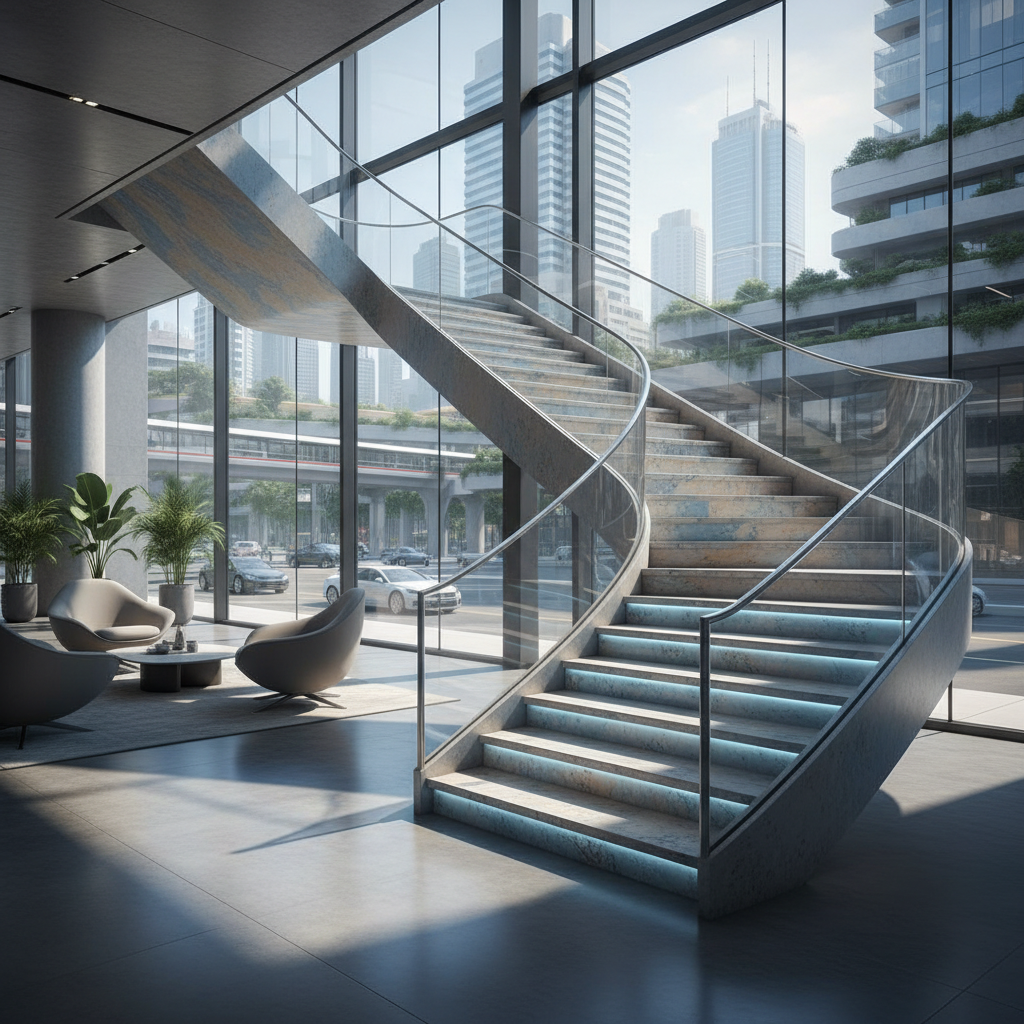
 SPC (Stone Plastic Composite) staircases are rapidly gaining popularity due to their exceptional durability metrics, particularly when compared to traditional staircase materials. Recent advancements in material science indicate that SPC boasts a remarkable resistance to wear and tear, making it an ideal choice for high-traffic areas.
Unlike wood or carpet, which can diminish in quality over time, SPC staircases maintain their structural integrity and aesthetic appeal for years. Studies show that SPC materials can withstand moisture and temperature changes better than conventional hardwood options, reducing the risk of warping or splintering.
SPC (Stone Plastic Composite) staircases are rapidly gaining popularity due to their exceptional durability metrics, particularly when compared to traditional staircase materials. Recent advancements in material science indicate that SPC boasts a remarkable resistance to wear and tear, making it an ideal choice for high-traffic areas.
Unlike wood or carpet, which can diminish in quality over time, SPC staircases maintain their structural integrity and aesthetic appeal for years. Studies show that SPC materials can withstand moisture and temperature changes better than conventional hardwood options, reducing the risk of warping or splintering.
Moreover, as engineered wood continues to evolve, some reports highlight its impressive strength-to-weight ratio, offering properties that surpass even steel in certain applications. This evolution in materials emphasizes the need for innovative solutions like SPC that combine the best attributes of traditional and modern materials. With SPC's enhanced durability—exhibiting a resilience twice that of standard vinyl flooring choices—consumers looking for stylish yet robust staircase options will find SPC hard to ignore in 2025 and beyond. As the construction industry pushes towards sustainability and longevity, SPC emerges as a frontrunner in creating durable, stylish designs for tomorrow’s homes.
Aesthetic Trends: Blending Style and Functionality in SPC Staircases
SPC (Stone Plastic Composite)
staircases are set to revolutionize home design in 2025, marrying modern aesthetics with unmatched functionality. As we shift towards more sustainable and durable building materials, SPC stands out not only for its robustness but also for its stylish appeal. Designers are increasingly favoring SPC staircases over traditional options because they provide a chic look while ensuring safety and longevity. This combination allows homeowners to elevate the visual appeal of their spaces without sacrificing performance.
As aesthetic trends evolve, the emphasis on blending style and functionality continues to grow, especially in staircase designs. The transition from outdated designs, such as carpeted stairs, towards sleek SPC options mirrors a broader trend in home décor where visual appeal and practical benefits go hand in hand.
Modern staircases are now more than just functional structures; they serve as key design elements that enhance the overall ambiance of a home. With designer insights highlighting the increasing acceptance of unusual materials and innovative designs, SPC staircases are poised to become a staple in fashionable and functional home environments.
Environmental Impact: The Sustainable Advantages of SPC Staircase Innovations
SPC (Stone Plastic Composite) staircases are swiftly becoming a leading choice for environmentally conscious homeowners and builders, thanks to their innovative and sustainable design. According to a recent report by the Global Industry Analysts, the demand for eco-friendly flooring solutions has surged, with the SPC segment projected to reach approximately $6.2 billion by 2026. This is largely attributed to its unique composition, which not only includes recycled materials but also eliminates harmful chemicals traditionally found in flooring products.
One of the primary environmental advantages of SPC staircases is their durability and low maintenance requirements. Studies have shown that SPC materials can last up to 30 years or more with proper care, significantly reducing the need for replacements and waste. Furthermore, SPC production typically consumes 30% less energy than conventional flooring methods, contributing to a lower carbon footprint. In addition, many SPC products are manufactured using eco-friendly processes which can help meet LEED certification requirements, making them an ideal choice for sustainable building practices. This trend in SPC staircase innovations signifies a shift towards more environmentally responsible choices in home design without compromising on aesthetics or functionality.
Discover the Benefits of SPC Staircase: The Future of Durable and Stylish Design in 2025
This chart illustrates the various benefits of SPC staircases, rated on a scale from 1 to 10. As we look towards 2025, it is clear that SPC staircases offer significant advantages in terms of durability, stylish design, environmental impact, cost efficiency, and maintenance. These factors contribute to their growing popularity in modern architecture.
Cost-Effectiveness: Analyzing Long-Term Savings with SPC Staircase Solutions
SPC staircases are rapidly gaining popularity due to their exceptional cost-effectiveness. When analyzing long-term savings, it becomes evident that these innovative solutions offer more than just an aesthetically pleasing design. Their unique composition of stone-plastic composite provides outstanding durability, reducing the need for frequent replacements or repairs. As a result, homeowners and businesses can save significantly on maintenance costs over time.
Moreover, SPC staircases are designed with ease of installation in mind, which can further contribute to overall savings. Traditional staircase materials often require extensive labor, resulting in higher installation expenses. In contrast, the lightweight nature of SPC means quicker and more efficient installation processes. Additionally, their resistance to wear and damage ensures that you won’t face unexpected expenditures down the line. Choosing SPC staircases is not just a stylish decision; it's a financially smart choice that aligns perfectly with the future of building design.





 Send Email
 whatsapp
 Whatsapp
