2026 Best Four Layer Spc Structure for Your Interior Design?
The "Four - Layer SPC Structure" is revolutionizing interior design. This innovative flooring design offers durability, aesthetic appeal, and ease of maintenance. According to the 2023 Flooring Market Insights report, SPC flooring will see a growth rate of 10% annually through 2026. This growth reflects increasing consumer demand for high-quality materials.
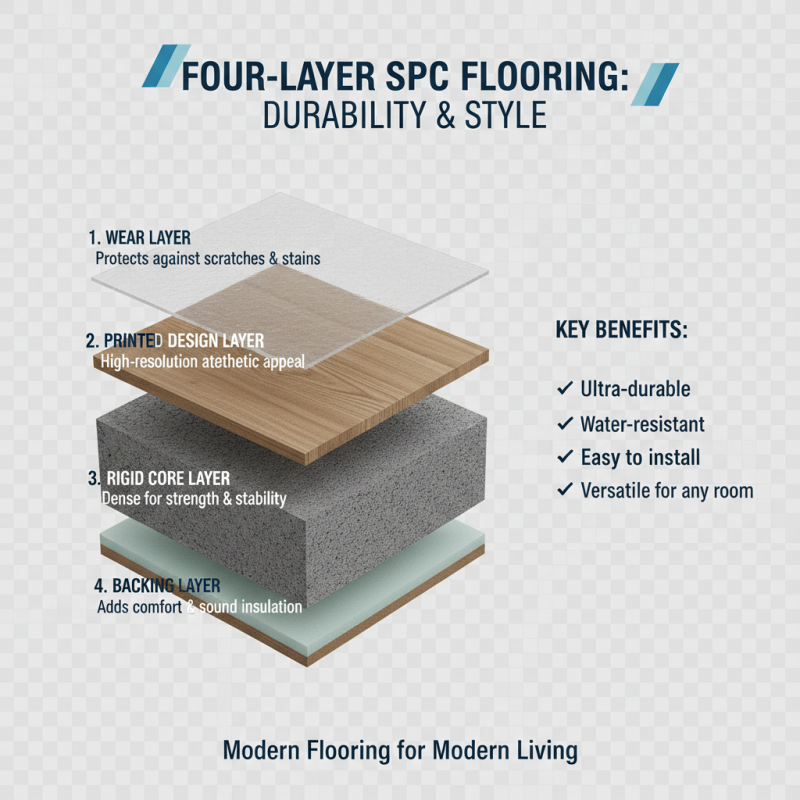
Expert in flooring design, Dr. Lisa Chen, emphasizes, “The Four - Layer SPC Structure meets both functional and stylish needs.” Homeowners and designers alike appreciate its ability to withstand heavy traffic while remaining visually appealing. The layered structure typically includes a protective wear layer, a design layer, a core layer, and an underlayment. This combination enhances performance and comfort.
However, it is essential to consider environmental impacts during production. Choosing sustainable materials is crucial. The balance between innovation and responsibility invites reflection. This thoughtfulness can define true progress in interior design. Embracing the Four - Layer SPC Structure offers a path towards a stylish and sustainable future.
What is SPC Flooring and Its Importance in Interior Design?
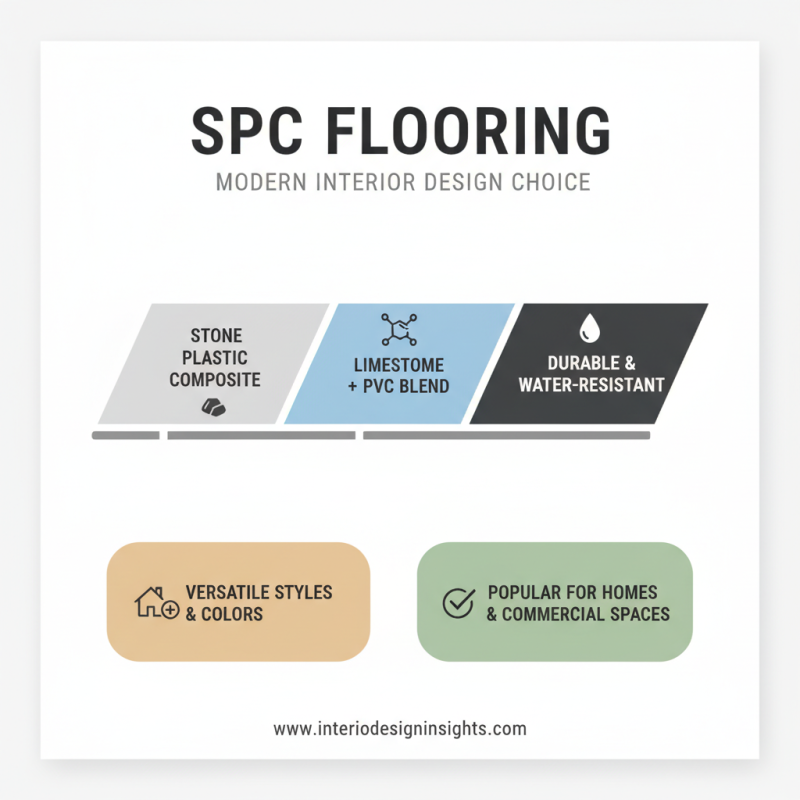
SPC flooring has gained popularity in modern interior design. It stands for Stone Plastic Composite. The structure is crafted from a blend of limestone and PVC. This gives it durability and water resistance. Designers appreciate its versatility. You can find SPC flooring in various styles and colors.
Incorporating SPC flooring into your space can change the ambiance. It provides a sleek and contemporary look. This type of flooring is ideal for high-traffic areas. It can withstand wear and tear. However, not all SPC products are created equal. Some may not meet high standards of quality. It's crucial to do thorough research before selecting your flooring.
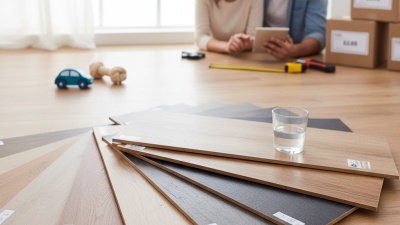
SPC is easy to install, which simplifies the design process. Yet, improper installation can lead to issues like warping. This can impact both the aesthetic and functionality of your space. Therefore, attention to detail during installation is vital. Seeking professional help might be beneficial yet can add to costs. Balancing budget and quality becomes a consideration.
Understanding the Four Layers of SPC Structure and Their Functions
In the realm of interior design, understanding the four layers of SPC (Stone Plastic Composite) structure is essential. The SPC structure consists of a backing layer, rigid core, design layer, and protective wear layer. Each layer plays a pivotal role. The backing layer ensures stability and moisture resistance. A report from Flooring Magazine highlights that this layer can improve lifespan by up to 30%.
The rigid core offers strength and resilience. This layer provides excellent sound absorption and thermal insulation. According to industry insights, SPC floors with high-quality cores can withstand heavy foot traffic. This makes them suitable for both residential and commercial spaces. Meanwhile, the design layer allows for aesthetic versatility. It can mimic wood, stone, or unique patterns.
Tips: Choose colors and patterns that resonate with your vision. Remember, not all SPC products are created equal. Research and select wisely to avoid installation issues. The protective wear layer shields against scratches and stains. However, it’s crucial to assess the thickness. A thinner layer might not provide adequate protection, leading to premature wear.
Benefits of Using Four Layer SPC Flooring in Modern Interiors
Four layer SPC (Stone Plastic Composite) flooring is rapidly gaining popularity in modern interior design. Its unique structure offers incredible durability and style. The four layers work together, combining aesthetics with functionality. The top wear layer protects against scratches and stains. Beneath that, a high-resolution printed layer provides the design appeal. A dense core layer ensures strength, while a backing layer adds comfort. This combination caters to various environments.
One major benefit of four layer SPC flooring is its water resistance. This makes it ideal for kitchens and bathrooms. It can endure spills without damage. Also, it’s easy to clean and maintain. You don’t need special chemicals. Just a damp mop will do. This practical aspect makes it suitable for busy households.
Tips: When choosing the right color or pattern, consider your overall design scheme. Neutral shades can create a soothing atmosphere. Darker tones may add drama but could show dust more easily. Think about the room’s lighting too. Natural light can change how colors appear. Overall, four layer SPC flooring is a smart and stylish choice for your home. It blends practicality with elegance seamlessly.
Design Aesthetics: How Four Layer SPC Fits Various Interior Styles
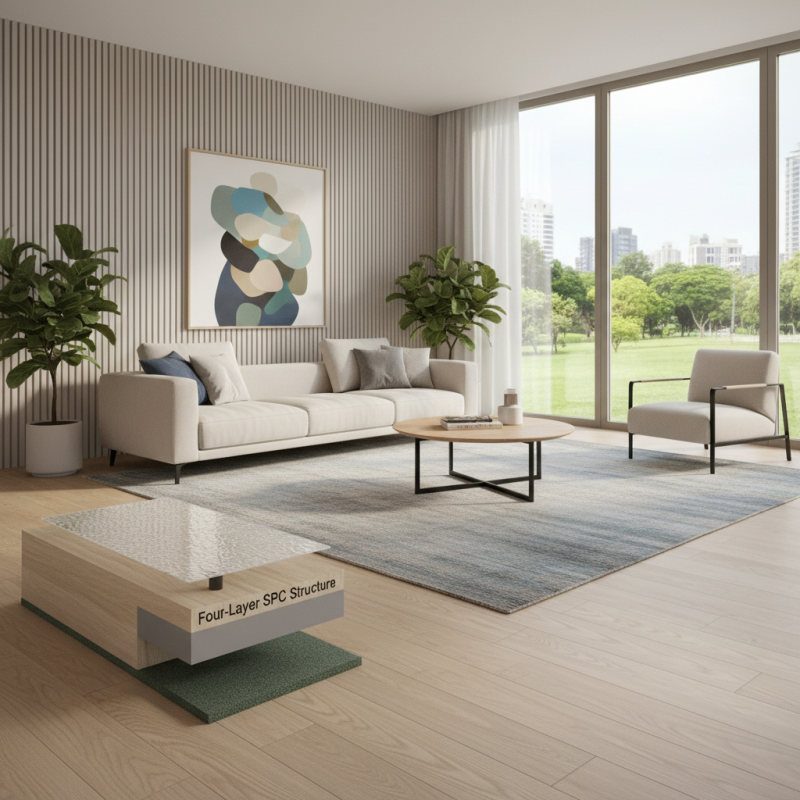
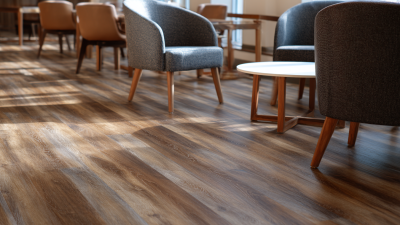
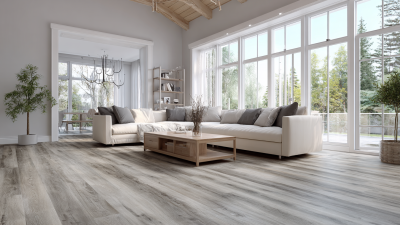
Four-layer SPC flooring offers a versatile solution for various interior styles. Its design aesthetic adapts seamlessly to contemporary, rustic, and minimalist spaces. The top layer features a stunning finish, resembling natural wood or stone. This visual appeal enhances the charm of any room effortlessly.
In a modern setting, four-layer SPC brings a sleek look. Clean lines and muted colors complement minimalist décor. It’s refreshing. However, it can sometimes feel too sterile if not balanced with warm textiles or natural elements. For rustic designs, SPC’s textured surfaces mimic aged wood. It creates a cozy atmosphere, though the artificiality can detract from authenticity.
Incorporating four-layer SPC requires thoughtfulness. Pairing it with the right furnishings is crucial. While it has many advantages, there are challenges. The texture may not appeal to everyone. Also, the color options can limit creativity in some styles. Finding the right balance between durability and aesthetics can be complex. It’s all about personal preference and how one wishes to express their space.
Installation and Maintenance Tips for Four Layer SPC Flooring
When considering four-layer SPC flooring for your interior design, installation and maintenance play crucial roles. The innovative structure of SPC, which stands for stone polymer composite, makes it durable and waterproof. According to a recent industry report, SPC flooring is becoming increasingly popular, with a growth rate expected to exceed 10% annually worldwide.
Ensure the subfloor is clean and dry before installation. Uneven surfaces can lead to issues down the road. Most experts recommend a sound-absorbing underlayment to reduce noise. These layers provide stability and comfort underfoot. While the process seems straightforward, mistakes can happen. Misalignment can be costly, both in time and material.
Routine maintenance is essential for longevity. Simple tasks like sweeping and mopping keep your floors looking new. Avoid harsh chemicals; they can damage the surface. Interestingly, up to 30% of SPC users reported issues with scratches or dents over time. This reveals the need for protective mats in high-traffic areas. Adopting these simple practices can ensure a lasting investment in your home.
2026 Best Four Layer Spc Structure for Your Interior Design
| Layer |
Material |
Thickness (mm) |
Benefits |
Maintenance Tips |
| Top Wear Layer |
PVC |
0.3 - 0.7 |
Scratch Resistant, Waterproof |
Use a damp mop and avoid harsh chemicals |
| Design Layer |
Printed Film |
0.3 |
Realistic Appearance, Variety of Designs |
Regular sweeping to remove dirt |
| Core Layer |
SPC (Stone Plastic Composite) |
4 - 5 |
Stability, Durability, Acoustic Performance |
Ensure proper acclimation before installation |
| Underlayment |
Foam or Cork |
2 - 3 |
Noise Reduction, Comfort Underfoot |
Check for moisture before installing |





 Send Email
 whatsapp
 Whatsapp