Best Polymarble Sheet for Wall Installation Tips and Benefits?
Polymarble Sheet for Wall applications has gained significant traction in recent years. Industry reports indicate that the demand for durable and aesthetically pleasing materials is rising. In fact, the market for synthetic wall materials is projected to grow at a rate of 6% annually. This reflects a growing preference for modern design solutions.
Expert Adam Thompson, a leading figure in wall design materials, emphasized this trend by stating, "Polymarble Sheets are redefining wall installations." His comments underline the innovative nature of Polymarble Sheets, which offer both practicality and style. These sheets are not only easy to install but also resistant to stains and moisture.
While they have many benefits, there are challenges too. Incorrect installation can lead to unsightly seams or bubbling. It's essential to follow best practices to ensure longevity and visual appeal. Awareness of these aspects can significantly enhance the outcome of any project involving Polymarble Sheet for Wall.
Choosing the Right Polymarble Sheet for Wall Installation
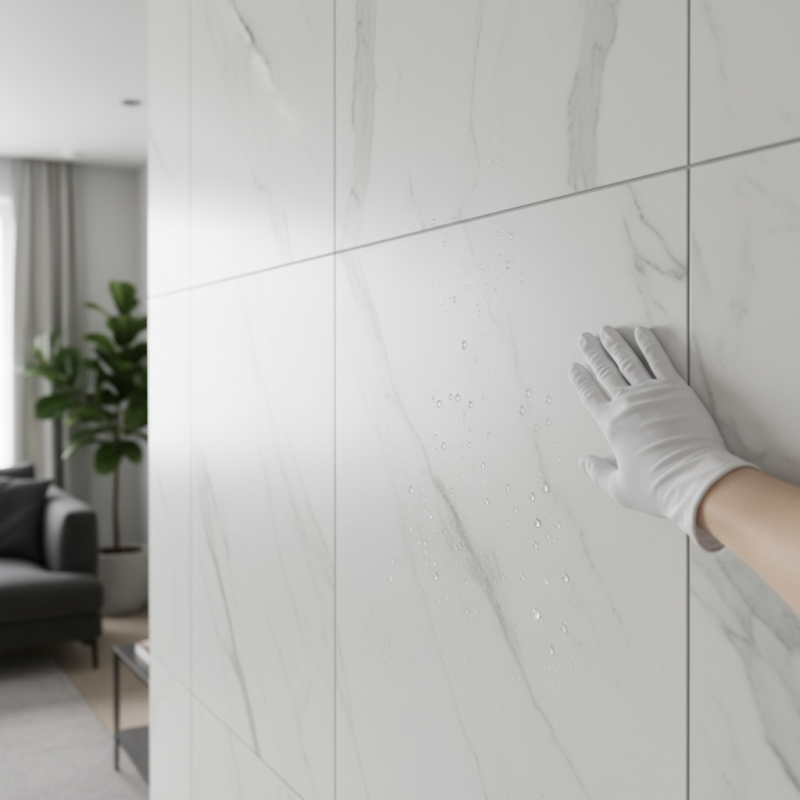
Choosing the right polymarble sheet for wall installation involves several key factors. Polymarble sheets are popular for their aesthetic appeal and durability. The material is lightweight yet sturdy, making it easier to handle during installation. Industry reports indicate that over 70% of contractors prefer polymarble for bathroom and kitchen applications.
Consider the thickness and size of the sheets. Standard thicknesses range from 4mm to 12mm. Thicker sheets often provide better durability, but they can be heavier. Some installations may require additional support for thicker options. Additionally, the dimensions of the sheets should fit your wall space without excessive cutting. This can minimize waste and reduce installation time.
Surface finish is another critical aspect. Polymarble sheets are available in various finishes, from glossy to matte. Glossy finishes reflect light, enhancing space illumination. However, they tend to show fingerprints and smudges more easily. Conversely, matte finishes are less reflective but may require more maintenance to keep clean. Weigh these characteristics based on your environment and specific needs. Installing polymarble sheets is not always straightforward; challenges like uneven walls can complicate the process. Be prepared to assess and possibly adjust your installation methods.
Best Polymarble Sheet Types for Wall Installation
Benefits of Using Polymarble Sheets in Interior Design
Polymarble sheets have become a popular choice in interior design. Their sleek appearance adds a modern touch to any space. These sheets are crafted from a blend of polymers and minerals, resulting in a durable and lightweight material. This means easier installation on walls. However, careful planning is essential to avoid misalignments during installation.
One of the main benefits is their water resistance. This makes them suitable for areas like bathrooms and kitchens. They are less likely to warp or swell when exposed to moisture. Plus, they come in various colors and textures, allowing for creative expression. Yet, it’s crucial to consider the lighting in the room. Poor lighting can diminish the sheets' visual impact.
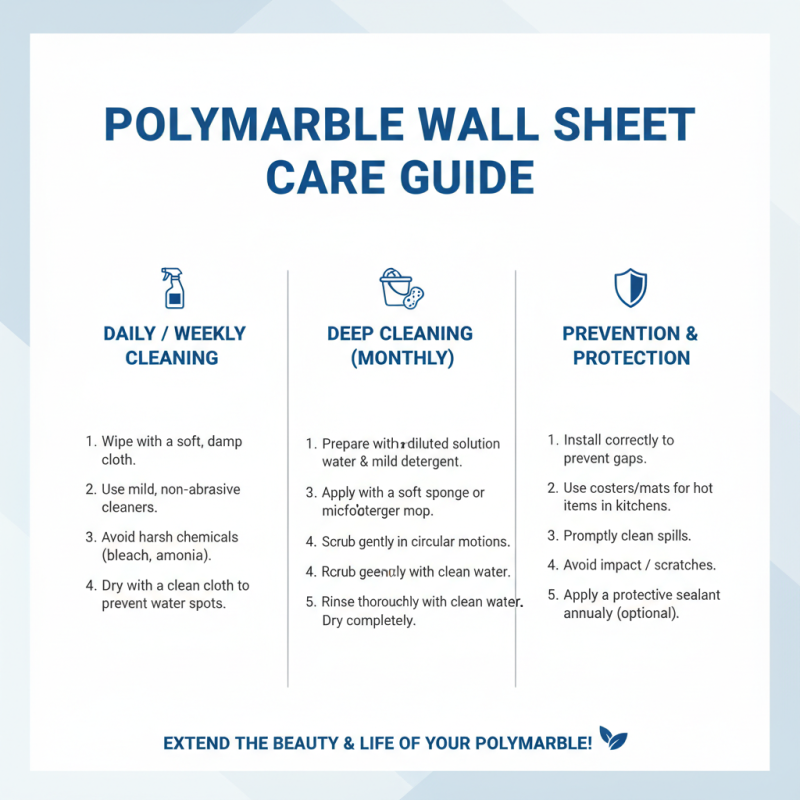
Maintenance is relatively easy, requiring only a simple wipe down. Yet, users should be cautious of abrasive cleaners. They might scratch the surface, resulting in an unappealing look. Polymarble sheets offer versatility, but the installation process demands attention to detail. A little care can go a long way in achieving an impressive final result.
Preparation Steps Before Installing Polymarble Sheets
When preparing for polymarble sheet installation, it’s important to start with a clean workspace. Remove any existing materials from the wall. Take time to ensure that the surface is completely dry. Any moisture can lead to adhesion issues later on.
Next, measure your wall space accurately. Use a level to ensure measurements are precise. Polymarble sheets can be heavy, so consider having a friend help during the installation. This makes it easier to position the sheets correctly. Don’t rush this step; uneven placement can ruin the entire look.
Inspect the sheets for any defects before installation. Small blemishes can affect the final appearance. Make a checklist of tools needed for the job. This can include adhesives, a utility knife, and a straight edge. Planning ahead minimizes delays during the process. Take a moment to reflect on your skills. Some find this task challenging, while others may thrive. Acknowledging your comfort level is key.
Installation Process for Polymarble Sheets on Walls
Installing polymarble sheets on walls can enhance both aesthetics and functionality. The installation process requires careful preparation. Start by measuring the wall surface accurately. This helps in reducing material waste. A report from the Home Improvement Research Institute indicates that precise measurements can cut costs by up to 15%.
Once measurements are taken, clean the wall thoroughly. Any dust or grease can hinder adhesive performance. Apply the adhesive evenly across the back of the polymarble sheet. Remember, avoid using too much adhesive. Excess glue can create unsightly blobs. Position the sheet carefully and press firmly. Using spacers can help maintain uniform gaps between sheets.
After the panels are set, ensure they are level. Minor misalignments may become noticeable over time. The flexibility of polymarble allows for some adjustments, but precision is key. Allow adequate curing time for the adhesive used. This step ensures that the sheets adhere properly and last longer. Various industry experts suggest waiting at least 24 hours before exposing the surface to moisture or heavy cleaning. This patience can pay off in longevity and overall finish quality.
Best Polymarble Sheet for Wall Installation Tips and Benefits
| Dimension |
Benefit |
Installation Tips |
Maintenance |
| Thickness: 4mm |
Lightweight yet durable |
Use a straight edge for cutting |
Wipe with a damp cloth |
| Width: 1220mm |
Wide coverage reduces seams |
Ensure surface is clean and dry |
Avoid abrasive cleaners |
| Length: 2440mm |
Customizable size |
Use silicone caulk for sealing |
Regularly check for damage |
| Finish: Glossy or Matte |
Aesthetic appeal |
Pre-drill for fasteners |
Repair surface scratches promptly |
Maintenance Tips for Longevity of Polymarble Wall Sheets
Polymarble wall sheets have become a popular choice for modern interiors. They are aesthetic and durable, but maintenance is key for their longevity. Proper care can extend the life of polymarble walls, ensuring they remain beautiful and functional for years.
Regular cleaning is crucial. Use a mild detergent and soft cloth to avoid scratches. High-pressure cleaners can damage the surface. According to industry reports, maintaining a clean surface can reduce the need for replacements by 30%. Inspect the walls for cracks or discoloration. Addressing these issues early can prevent further damage.
Tip: Avoid harsh chemicals. They can degrade the polymarble surface. Instead, focus on gentle cleaning solutions. Also, consider resealing the edges annually. This small effort can enhance the water resistance of wall sheets. While polymarble is durable, it still requires attention. Ignoring maintenance will only lead to costly repairs.





 Send Email
 whatsapp
 Whatsapp