Best Spc Vinyl Plank Options for Global Buyers in 2026?
As the flooring market evolves, the demand for durable and stylish options grows. The SPC vinyl plank has emerged as a popular choice among global buyers in 2026. This innovative flooring combines beauty and resilience, making it ideal for various settings. It's waterproof, easy to install, and maintains its look for years.
However, selecting the best SPC vinyl plank can be challenging. Many brands promise high quality but may not deliver on durability. Buyers face the risk of poor choices, which lead to dissatisfaction. With many options available, it’s crucial to identify reputable brands that prioritize quality and reliability.
Investing in the right SPC vinyl plank can enhance your space significantly. Researching different options ensures you find a product that suits your needs. Users often overlook warranty details and installation guidelines, which are vital for performance. By considering these factors, global buyers can make informed decisions for their flooring needs.
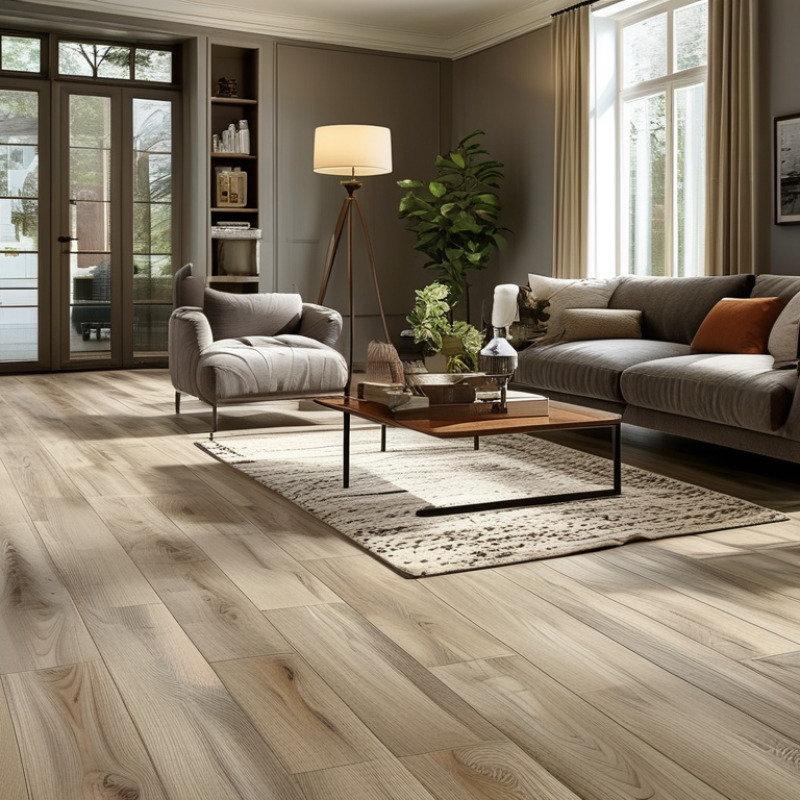
Best SPC Vinyl Plank Brands in the Global Market for 2026
The global SPC vinyl plank market is expected to grow substantially in 2026. This growth is attributed to rising demands for durable and affordable flooring options. According to industry reports, the SPC flooring market is projected to reach $6 billion by 2026. This figure underscores the increasing popularity of SPC as a preferred flooring choice among homeowners and businesses alike.
When choosing the best SPC vinyl plank brands, consider factors like durability, aesthetic appeal, and environmental impact. Many brands now offer eco-friendly options that meet industry standards. However, not all products deliver on their promises. Look for certifications that ensure quality, such as ISO or LEED labels. These indicators can confirm that the product is reliable and safe.
Tips: Always check if the brand offers warranties. A solid warranty often reflects the manufacturer's confidence in their product. Moreover, read customer reviews to understand long-term performance. Some brands gain traction quickly but may not maintain quality over time. Be cautious of overly positive marketing without supporting evidence.
Best Spc Vinyl Plank Options for Global Buyers in 2026
| Type |
Thickness (mm) |
Wear Layer (mm) |
Texture |
Color Options |
Water Resistance |
Warranty (Years) |
| Standard SPC |
4 |
0.5 |
Embossed |
10+ |
Yes |
20 |
| Luxury SPC |
5 |
0.7 |
Wood Grain |
15+ |
Yes |
25 |
| Commercial SPC |
6 |
1.0 |
Smooth |
20+ |
Yes |
15 |
| Eco-Friendly SPC |
4.5 |
0.5 |
Textured |
8+ |
Yes |
20 |
Key Features of High-Quality SPC Vinyl Planks for Buyers
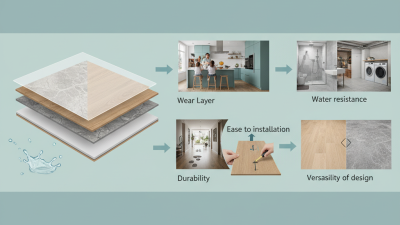
When choosing SPC vinyl planks, buyers should focus on essential features that enhance durability and aesthetics. High-quality planks often feature a rigid core, which provides stability against moisture and impacts. This makes them a great choice for kitchens or bathrooms. Buyers should look for a thickness of at least 5mm to ensure longevity.
Another critical aspect is the wear layer. A thicker wear layer can resist scratches and stains better. Look for at least 0.3mm for residential use. Moreover, the design layer offers a realistic wood or stone appearance. Advanced printing technology creates stunning visuals that mimic natural textures. However, some prints may not age well, fading over time.
Ease of installation is also vital. Many high-quality options offer a click-lock system, allowing for foolproof DIY installation. It's worth considering how technology integrates into the product. While some brands promise eco-friendliness, it’s essential to verify their claims. Evaluating these features carefully helps buyers find reliable SPC vinyl planks in 2026.
Best SPC Vinyl Plank Options for Global Buyers in 2026
Market Trends: The Growth of SPC Vinyl Flooring in 2026
The SPC vinyl flooring market is rapidly evolving. In 2026, buyers around the globe will encounter a range of innovative options. This growth is fueled by the increasing demand for durable, stylish, and cost-effective flooring solutions. SPC vinyl is particularly appealing due to its stability and resilience against moisture. As consumers prioritize flooring that can withstand everyday wear, the popularity of SPC will likely continue to soar.
Design trends are significant in this sector. Many buyers are looking for realistic wood and stone finishes, creating a natural aesthetic. It’s essential for manufacturers to keep up with these design preferences. However, some options may lack the seamless installation that many homeowners desire. This can lead to frustration during DIY projects.
Tips for selecting SPC vinyl include evaluating the thickness of the plank. A thicker plank often provides better sound absorption and resistance to dents. Consider the wear layer as well; a thicker wear layer enhances durability. Not all products are created equal, so pay attention to consumer reviews. Understanding these factors will support informed decisions in 2026's competitive market.
Sustainability and Eco-Friendly Aspects of SPC Vinyl Options
Sustainability is becoming increasingly important for buyers around the world. SPC vinyl planks offer eco-friendly benefits that appeal to modern consumers. These planks are composed of natural limestone and recycled PVC, reducing environmental impact. Choosing SPC means selecting a product with a lower carbon footprint.
When selecting SPC vinyl, consider the production processes. Manufacturers focusing on sustainability often use safer, non-toxic adhesives. Look for certifications indicating low volatile organic compounds (VOCs). This ensures that the indoor air quality remains healthy.
Tips: Always check for recycled content in the product. A higher percentage indicates better environmental efficiency. Also, consider the longevity of SPC flooring. Durability translates into lower waste over time. Ensure thorough research to discover the best options that align with green living.
Consumer Preferences: What Buyers Look for in SPC Vinyl Planks
As the SPC vinyl plank market evolves, consumer preferences are becoming increasingly crucial. Many buyers prioritize durability. A study indicated that over 70% of consumers prefer planks that stand up to high foot traffic and scratches. This trend highlights the need for resilient flooring. Homeowners seek products that can withstand everyday use while maintaining aesthetic appeal.
Water resistance is another key factor. Reports show that 65% of buyers are drawn to SPC vinyl planks that offer superior moisture protection. This feature is essential for areas prone to spills, such as kitchens and bathrooms. Additionally, a variety of styles and textures are in high demand. Buyers are looking for options that mimic natural wood or stone. The desire for authenticity drives the design choices in the SPC market.
Cost remains a significant concern. While quality is vital, many buyers are budget-conscious. An analysis found that about 55% of consumers are willing to pay more for eco-friendly options. Educating buyers on the environmental impact is essential. This shift toward sustainability reflects a broader awareness of responsible purchasing choices. In this competitive market, understanding these preferences can guide manufacturers in meeting consumer desires effectively.



 Send Email
 whatsapp
 Whatsapp
