What Is the Best Type of SPC Flooring in 2026?
Choosing the best SPC flooring in 2026 means looking beyond color and price. The right floor should suit the room, the subfloor, and the way people actually live. A busy kitchen needs a wear layer that can handle chair legs, grit, and frequent cleaning. A basement installation calls for careful attention to subfloor preparation and moisture conditions. Even a convincing oak print can disappoint if the plank feels flimsy underfoot.
SPC flooring has a rigid stone-plastic composite core, but products still vary in construction, finish, and installation details. Compare wear-layer thickness, total plank thickness, attached underlayment, locking profile, and warranty terms. Check the manufacturer’s installation instructions; a rigid core does not make an uneven subfloor disappear. Small details matter.
A practical test is simple: “Choose the SPC floor that fits the room’s demands, not just the sample’s appearance.” This is original draft wording, not a verified quotation; have a named flooring professional approve it before publication.
This guide will compare key SPC flooring types and explain where each may work best. It will also examine durability, comfort, water resistance, and value. No single product wins every room. And labels alone are not proof. Product specifications, installation requirements, and real-life use should shape the decision.
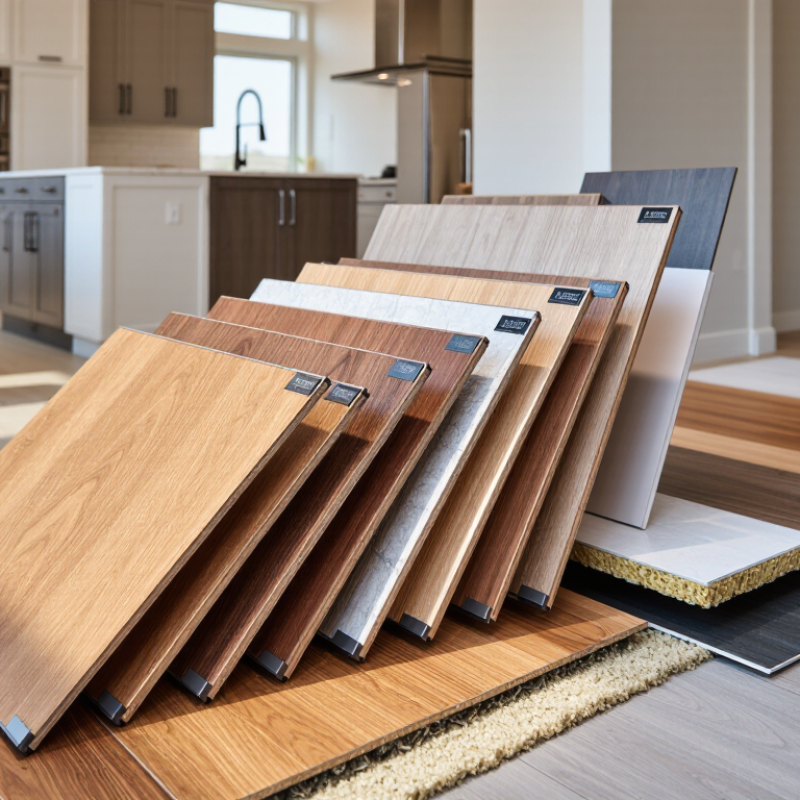
What SPC Flooring Is and How Its Core Layers Work
What Is the Best Type of SPC Flooring in 2026?
What SPC Flooring Is and How Its Core Layers Work
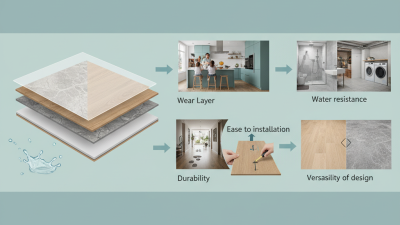
SPC flooring is a rigid-core resilient floor, usually made with limestone filler, PVC, and stabilizers. Its surface is built in layers. A clear wear layer helps resist scuffs and stains; beneath it, a printed film provides the wood or stone pattern. The dense core gives planks their rigidity, while a backing layer can soften footfall and reduce minor surface noise. Some products include attached underlayment; others do not. Small detail. Check the actual construction, not just the label.
ASTM F3261-20 sets performance requirements for rigid-core resilient flooring, including tests for properties such as dimensional stability and indentation. ISO 23999:2021 also describes methods for measuring dimensional stability and curling after heat exposure. These standards matter because a stiff core is not automatically a stable floor. Sunlit glass doors, uneven subfloors, and tight expansion gaps can still cause trouble. Not magic. In practice, each layer solves a different problem, and the finished floor depends on how they work together. Wear-layer thickness, joint design, and installation conditions deserve a closer look; “SPC” alone does not tell you how a specific floor will perform.
Which Performance Factors Matter Most in 2026
In 2026, the best SPC flooring is not simply the thickest option. Compare the wear layer, total plank thickness, core stability, and locking profile together. A thicker wear layer may help in busy homes, but it cannot make up for weak joints or poor installation. Look for clear technical sheets and independent indoor-air-emissions testing, not just broad “low odor” claims. Check the warranty exclusions, too. It is easy to overvalue one specification.
Tips: Request a sample. Place it beside a sunny window and inspect it at different times of day. Test the click joint gently, and ask whether attached underlayment suits your subfloor. Small details matter.
For kitchens, entryways, and homes with pets, water resistance and surface texture may matter more than a glossy finish. SPC handles moisture well, but water can still seep through edges or poorly sealed transitions. Ask about temperature limits, expansion gaps, and subfloor requirements before buying. A rigid plank may feel unforgiving over an uneven floor; that detail is easy to miss. There is no universal winner. Match verified specifications to the room, expected traffic, and installer’s guidance.
How SPC Flooring Types Compare by Construction and Features
SPC flooring types differ less by name than by the layers beneath your feet. Most use a limestone-and-polymer rigid core, a printed décor layer, and a clear wear layer. The core helps resist dents from everyday pressure, but it does not make every plank equally stable. Check the product’s installation requirements and subfloor tolerance before comparing thickness alone.
A thicker wear layer can offer better protection against scuffs in busy rooms, such as entryways where grit collects near the door. Wear-layer measurements are often listed in mils; compare like units and check the stated test standard. Surface finishes also matter. Embossed textures can add grip and soften the plastic-like look, though deep grooves may take more effort to clean. Appearance is not performance.
Some types include an attached acoustic pad, which may reduce footfall noise and simplify installation. It cannot correct an uneven subfloor. Listen to the room, too. In a small upstairs space, a padded plank may feel quieter, while a basic plank over a suitable underlay can be enough elsewhere. One detail buyers sometimes overlook is the joint system: poorly supported edges may flex under repeated loads. I would not choose by a single headline feature; compare the wear layer, pad, locking profile, and care instructions together. A sample under daylight helps reveal color shifts, but it will not show how the floor handles years of use.
How to Match SPC Flooring to Different Rooms and Needs
What Is the Best Type of SPC Flooring in 2026?
How to Match SPC Flooring to Different Rooms and Needs
The best SPC flooring depends on the room, not just its printed wood grain. In kitchens and entryways, choose a wear layer suited to grit, wet shoes, and frequent cleaning. For bathrooms, check the full installation instructions: a waterproof core does not make seams or room edges floodproof. ASTM F3261 covers resilient flooring with rigid polymeric cores, offering a useful technical reference when comparing product specifications.
For bedrooms, a quieter underlay and softer-looking finish may matter more than heavy-duty wear ratings. In sunny rooms, check the manufacturer’s limits for temperature and direct sunlight; rigid planks can move when conditions change.
Grand View Research’s 2024 luxury vinyl tile market report valued the global market at $25.6 billion in 2023. That figure covers LVT broadly, not SPC alone, but it signals why comparing construction details matters. A convincing wood pattern is not a performance guarantee.
Tips: Take samples home. View them beside your cabinets in morning and evening light, then check the required subfloor flatness before buying. Small details are easy to overlook.
What to Check Before Choosing SPC Flooring in 2026
When comparing SPC flooring in 2026, look beyond total plank thickness. Check the wear layer separately, and confirm its measurement in millimeters or mils. A thicker wear layer can improve resistance to everyday scuffs, but it does not make a floor scratch-proof. No surface is. Ask for the product’s technical sheet rather than relying on a display label.
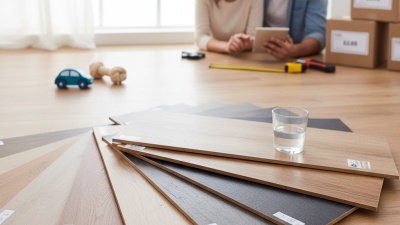
Inspect a full-size sample in your own room’s lighting. Look closely at the printed pattern, bevels, and plank edges; repeating designs may be more noticeable across a large floor. Press the locking joints together and check for gaps or movement. A tiny sample can be misleading. Also verify the recommended subfloor flatness, underlayment requirements, and temperature limits. These details affect installation and can influence whether the warranty applies.
Water resistance deserves careful wording. SPC planks may resist surface spills, but seams, edges, and the room’s perimeter still need proper installation. Ask what the warranty excludes, including damage linked to moisture or uneven subfloors. If possible, compare samples after walking on them in your usual shoes. Comfort and sound are subjective, and a rigid core may feel firm. There is no single best specification for every room.



 Send Email
 whatsapp
 Whatsapp
