China Top Four Layer SPC Structure Benefits for Global Buyers?
The "Four-Layer SPC Structure" has emerged as a notable innovation in the flooring industry. This design is particularly appealing to global buyers seeking durability and aesthetic appeal. Each layer of the SPC structure serves a specific purpose, enhancing the overall performance of the flooring. Buyers benefit from the robust core that provides stability and resistance to wear.
Chinese manufacturers have refined this technology, ensuring high-quality production standards. As a result, they can cater to diverse market needs. The Four-Layer SPC Structure offers significant advantages, such as improved sound insulation and moisture resistance. These features are crucial for both residential and commercial spaces.
However, it's essential to consider potential challenges. Variations in quality among suppliers can affect overall performance. Buyers must conduct thorough research before making decisions. While the benefits are clear, a careful approach is necessary to ensure satisfaction with the Four-Layer SPC Structure.
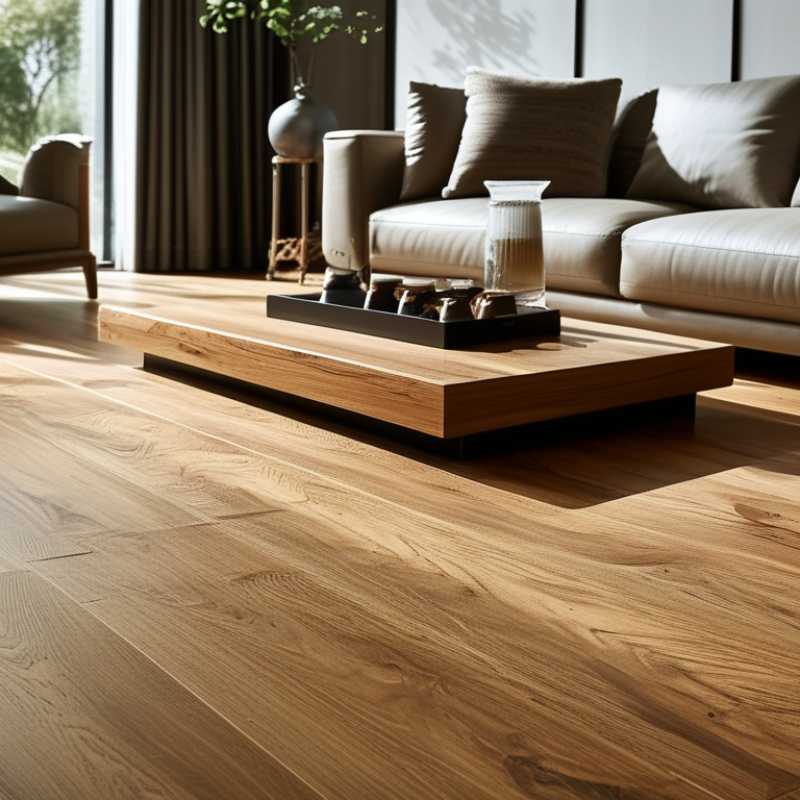
Understanding the Four Layer SPC Structure: An Overview for Buyers
The four-layer SPC (Stone Plastic Composite) structure presents distinct advantages for global buyers. This innovative design includes a wear layer, vinyl color layer, SPC core, and an underlayment. Each layer serves a purpose, leading to enhanced durability and aesthetic appeal. According to recent industry reports, SPC flooring is gaining 15% market share annually due to its resilience and cost-effectiveness.
The wear layer is crucial. It ensures scratch and stain resistance, making it suitable for high-traffic areas. Next, the SPC core adds stability and firmness, reducing the chances of warping. Buyers appreciate these features, particularly in commercial applications. Research indicates that products with a four-layer structure tend to last 20-30 years with proper maintenance.
Tip: When choosing SPC flooring, consider the thickness of the wear layer. A thicker layer often means better durability.
Buyers should remain aware of the environmental impact of their choices. Not all SPC products are created equally. Some may contain harmful substances that can affect indoor air quality. Conducting thorough research and requesting material safety data sheets can mitigate these risks.
Tip: Consult with suppliers about certifications to ensure your SPC flooring meets safety standards.
China Top Four Layer SPC Structure Benefits for Global Buyers
| Layer |
Material |
Benefits |
Durability |
Cost Efficiency |
| 1st Layer |
UV Coating |
Scratch Resistance |
High |
Moderate |
| 2nd Layer |
Printed Design |
Aesthetic Appeal |
Moderate |
High |
| 3rd Layer |
SPC Core |
Water Resistance |
Very High |
Low |
| 4th Layer |
Backing Layer |
Noise Reduction |
High |
Flexible |
Key Advantages of China’s Top SPC Products in the Global Market
China's top four-layer Solid Polymer Composite (SPC) structure offers significant benefits for global buyers. With the increasing demand for durable and stylish flooring solutions, SPC products have gained tremendous popularity. According to industry reports, the global SPC flooring market is projected to reach USD 6.7 billion by 2026, largely driven by the advancements in manufacturing technology. The innovative four-layer design enhances qualities such as durability, water resistance, and ease of installation, making these products highly attractive.
The core layer provides excellent stability, while the wear layer protects against scratches and stains. This structure ensures that SPC flooring can withstand rigorous use in both residential and commercial environments. Additionally, the acoustic and thermal insulation features of SPC give it an edge over traditional flooring options. Buyers can expect a lifespan of 20-30 years, which underscores its cost-effectiveness. Still, it’s essential to navigate variations in quality and performance across different manufacturers.
Tip: Always check for certifications and testing results to ensure that the SPC flooring meets your standards. Even reputable suppliers may have variations in product quality.
Another important aspect is the eco-friendliness of SPC products made in China. Many manufacturers are adopting sustainable practices, such as using recycled materials in their production. However, not all SPC products are created equal in this regard. Conducting thorough research on manufacturers is vital.
Tip: Look for third-party assessments to validate the environmental claims of SPC products. It’s crucial to avoid relying solely on marketing materials.
Benefits of China's Top Four Layer SPC Structure for Global Buyers
Material Efficiency in Four Layer SPC Structures Compared to Traditional Options
The four-layer SPC structure offers impressive material efficiency compared to traditional flooring options. It utilizes less material while maintaining durability. This efficiency translates to less waste during production. Less waste means a lower environmental impact, which is increasingly important for global buyers.
Each layer in the SPC structure serves a specific purpose. The first layer enhances aesthetic appeal, while the core layer provides strength. This design minimizes the need for excess materials, unlike conventional flooring. However, some buyers might worry about the long-term performance of these layers.
Understanding the benefits and limitations is crucial. Buyers should consider aspects like installation and maintenance when choosing flooring. Some may find SPC structures easier to install, while others may prefer traditional methods. Reflecting on such choices can lead to improved decision-making for flooring projects.
Cost Analysis: How China’s SPC Solutions Provide Value for Global Clients
The cost-effectiveness of China's SPC (Stone Plastic Composite) solutions makes them appealing to global buyers. Recent industry reports indicate that SPC flooring from China can be priced at 20-30% lower than comparable products in North America and Europe. This price advantage stems from streamlined manufacturing and access to affordable raw materials. Buyers often note that the initial investment results in long-term savings.
Emphasizing quality, China's SPC products offer durability that rarely compromises performance. On average, SPC flooring boasts a lifespan of 20 years, with some models achieving even longer. This longevity contributes to a lower total cost of ownership. Moreover, these solutions require minimal maintenance, saving consumers both time and money.
Tip: When considering SPC products, assess the environmental impact. Some buyers focus on recycled materials and eco-friendly production processes. Research shows a growing trend toward sustainability in flooring choices. Balancing cost with eco-conscious options can lead to better business practices.
Sustainability Trends: Eco-Friendly Features of China’s Four Layer SPC Products
As global buyers increasingly prioritize sustainability, China’s four-layer SPC (Stone Plastic Composite) products stand out for their eco-friendly features. These innovative flooring options use a blend of recycled materials, significantly reducing waste. Reports from the International Floor Covering Association highlight that these products generate about 25% less CO2 during production compared to traditional flooring options.
Moreover, the four-layer structure enhances durability and longevity, translating into less frequent replacements. This feature ties into broader sustainability trends, as longer-lasting products can minimize environmental impact over time. However, some concerns remain. Critics argue that the industry needs to improve transparency regarding material sourcing and end-of-life disposal options.
Enhanced acoustic performance is also noteworthy. According to a study by market analysts, SPC flooring can reduce noise by up to 20% due to its dense construction. This reduction not only improves comfort but also supports a quieter environment. Nonetheless, achieving true sustainability requires ongoing commitment. Products must prioritize eco-design, considering every phase from production to disposal.




 Send Email
 whatsapp
 Whatsapp
