How to Choose the Best Stone Plastic Composite Flooring for Your Home?
Choosing the right flooring is crucial for any home. Stone Plastic Composite Flooring (SPC) offers a blend of durability, beauty, and affordability. It has gained popularity in recent years, but many homeowners feel overwhelmed by the options available. Understanding the features and benefits of SPC can help simplify the decision-making process.
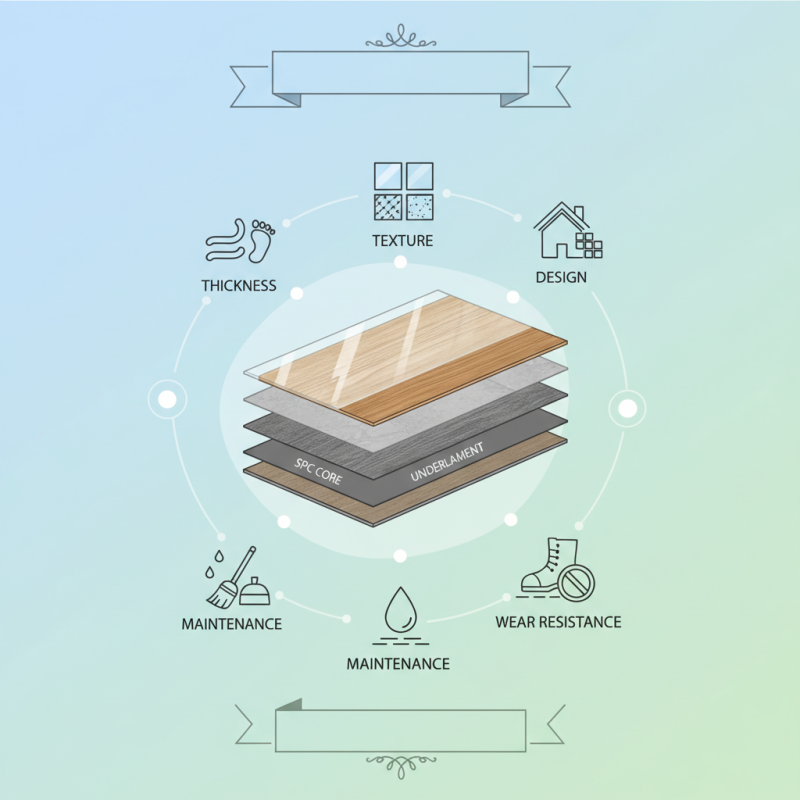
When selecting Stone Plastic Composite Flooring, consider various aspects such as thickness, texture, and design. Thicker planks generally provide better sound insulation and comfort underfoot. The texture can range from glossy to matte, each giving a different aesthetic to your home. You may want to choose a design that complements your existing decor.
Yet, some choices might lead to regrets later. Homeowners often overlook maintenance requirements. Not every SPC option is resistant to heavy wear. It's important to have a clear idea of the environment where the flooring will be installed. Reflecting on these details can save you from future dissatisfaction. By focusing on the right aspects, your flooring choice can enhance your home significantly.
Understanding Stone Plastic Composite Flooring: Definition and Benefits
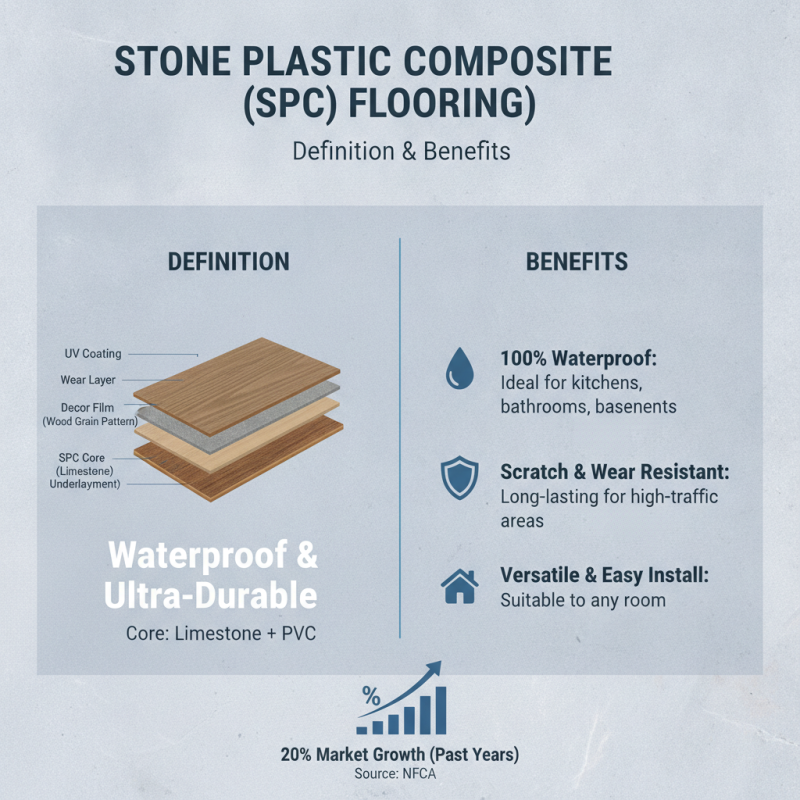
Stone Plastic Composite (SPC) flooring is a modern flooring solution that combines durability and aesthetic appeal. SPC is crafted from limestone and polyvinyl chloride, resulting in a product that is waterproof and resistant to wear. According to the National Floor Covering Association, SPC flooring has become increasingly popular, with a 20% growth in market demand over the past two years. Homeowners value its versatility for various spaces.
SPC flooring offers several benefits. Its 100% waterproof feature makes it ideal for kitchens and bathrooms, areas prone to spills and moisture. Additionally, SPC floors are easy to install, requiring minimal tools and experience. A study by the Resilient Floor Covering Institute noted that SPC can withstand extreme temperature changes. However, it's essential for homeowners to consider sunlight exposure, which may lead to color fading over time.
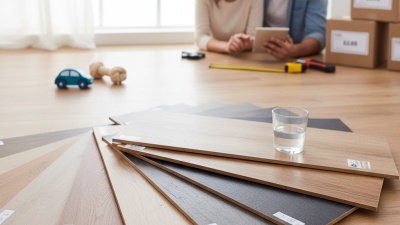
Tips for choosing the right SPC flooring include assessing your lifestyle. Families with children or pets should opt for thicker wear layers. Always check for certifications related to indoor air quality to ensure quality. It’s beneficial to request samples to visualize how different colors and textures match your home’s interior. Don't rush the decision; take time to research various styles and finishes.
Key Factors to Consider When Selecting Stone Plastic Composite Flooring
Choosing the best stone plastic composite (SPC) flooring requires careful consideration of several key factors. One major aspect is durability. SPC flooring is designed to withstand heavy foot traffic and resist scratches, making it suitable for homes with pets or children. Look for options that specify high wear ratings to ensure longevity.
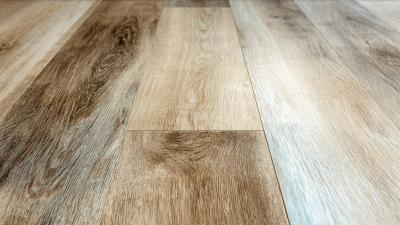
Another important factor is the aesthetic appeal. SPC flooring comes in various designs that mimic natural stone and wood. Evaluate how these designs fit within your home’s overall decor and personal style. Color and texture can drastically alter a room’s atmosphere. It’s worth exploring samples to see how they interact with your lighting.
Additionally, consider the installation process. Some SPC floors offer simple click-lock systems. Others may require professional installation. Weigh the pros and cons of your skill level and budget. Remember that a poor installation can lead to unnecessary repairs down the line. Take time to reflect on your choices to ensure you make a well-informed decision.
Comparison of Stone Plastic Composite and Traditional Flooring Materials
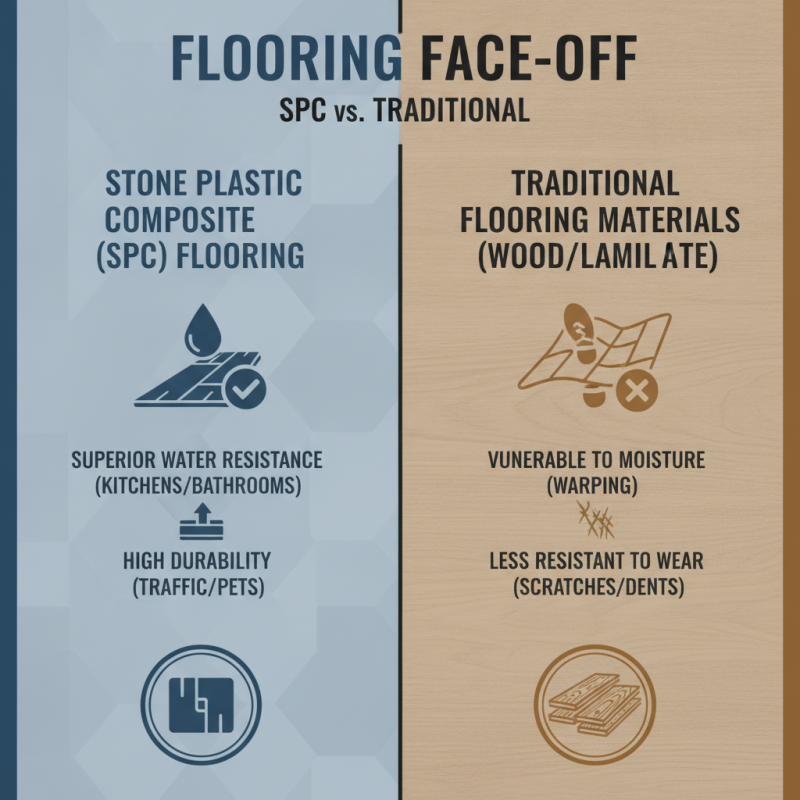
When comparing Stone Plastic Composite (SPC) flooring to traditional materials, several factors come into play. SPC offers superior water resistance, making it ideal for areas like kitchens and bathrooms. In contrast, traditional wood flooring may warp or swell when exposed to moisture. SPC also withstands heavy foot traffic better than some conventional options. This can be a game-changer for households with kids or pets.
Tips for selecting the right SPC flooring include checking the thickness. A thicker product usually provides better durability and sound insulation. Additionally, consider the wear layer. A thicker wear layer offers better protection against scratches and stains. If you're unsure, consult a flooring expert to guide you through the options.
While SPC is often touted for its visual appeal, not all styles will work in every home. It's essential to match the flooring with your interior design. Observe the samples in different lights and angles. Sometimes, what looks great in the store may not fit well in your space. Always invest time in the decision-making process to avoid potential regrets later.
Evaluating Durability and Maintenance Requirements for SPFC
When considering stone plastic composite flooring (SPFC), evaluating durability is crucial. SPFC is known for its robust construction. Research shows that SPFC can withstand impacts better than traditional vinyl. One study indicates a drop in durability ratings for vinyl when exposed to water, while SPFC maintains its structural integrity. This makes SPFC ideal for high-traffic areas in homes.
Maintenance is another critical factor. SPFC requires minimal upkeep compared to hardwood or tile. A report from the National Floor Covering Alliance highlights that SPFC can be easily cleaned with just soap and water. However, some homeowners report that certain finishes can show scratches over time. This raises the need for careful selection of surface treatments during installation.
Selecting the right SPFC involves understanding both its strengths and weaknesses. While it is more water-resistant, prolonged exposure can still affect its appearance. Consider factors like the thickness of the planks and wear layer. A thicker wear layer can enhance durability but may also increase initial costs. Balancing these aspects is essential for making an informed choice that suits your home.
Cost Analysis: Budgeting for Stone Plastic Composite Flooring Installation
When considering stone plastic composite flooring, budgeting is essential. The overall cost encompasses the material, installation, and any additional features. Stone plastic composite (SPC) flooring ranges in price. It typically starts at a competitive rate, making it accessible for many homeowners. However, this affordability can vary based on style and quality.
Installation costs can fluctuate widely. Professional installation may be recommended to ensure durability. DIY installation can save money but might lead to costly mistakes. Hidden expenses often arise, such as underlayment or subfloor repairs. It's crucial to consider these factors.
Additional features like moisture resistance can increase costs but provide long-term benefits. Researching various options is necessary for informed decision-making. Don't overlook the potential for extra costs. Planning your budget carefully will help manage expenses effectively.
Cost Analysis of Stone Plastic Composite Flooring Installation
This chart illustrates the breakdown of costs associated with Stone Plastic Composite Flooring installation. The material cost averages around $3.5 per square foot, while installation costs are approximately $2 per square foot. Maintenance costs add another $0.5, resulting in a total cost of $6.0 per square foot.




 Send Email
 whatsapp
 Whatsapp