2026 How to Choose Rigid SPC Vinyl Flooring for Your Needs?
Choosing the right flooring can transform a space. Rigid SPC vinyl flooring has gained popularity for its durability and aesthetics. According to industry expert Jane Doe, "Selecting the right flooring is vital to both comfort and style."
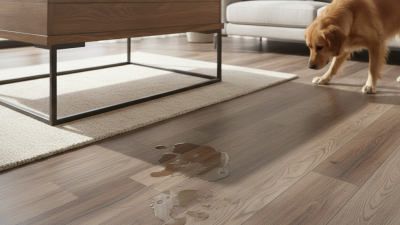
Rigid SPC vinyl flooring offers a unique blend of functionality and elegance. It stands out for its waterproof features and resilience against heavy impacts. This makes it ideal for high-traffic areas and homes with pets. However, not all SPC products are created equal. Some may lack the necessary quality and longevity.
When navigating the selection process, consider your specific needs. Think about style and practicality. You might find yourself overwhelmed by options. It’s crucial to assess your space’s requirements carefully. Ultimately, understanding Rigid SPC vinyl flooring's advantages and limitations can lead to better choices. Engaging with expert opinions will enhance your decision-making process.

Understanding Rigid SPC Vinyl Flooring: Key Features and Benefits
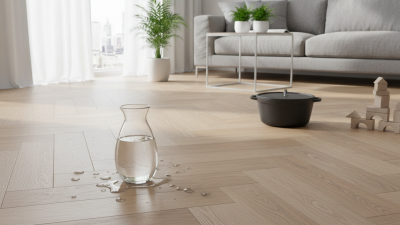
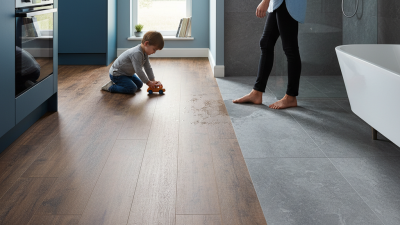
Choosing the right flooring can be overwhelming. Rigid SPC (Stone Plastic Composite) vinyl flooring presents several key features and benefits. This type of flooring integrates a durable core with a vinyl wear layer. It stands up well to daily wear and tear. It is also waterproof, making it an excellent choice for kitchens and bathrooms.
One notable feature is its ease of installation. Rigid SPC flooring often comes with a click-lock system, allowing for simple DIY efforts. This can save you time and money. Furthermore, its rigid core helps minimize imperfections in the subfloor. It provides a flat, stable surface that enhances the overall look of your space.
However, not all SPC flooring is created equal. Some options may feel harder underfoot compared to others. This can be uncomfortable for extended periods. Additionally, while its moisture resistance is impressive, prolonged exposure to water can still cause damage over time. It's essential to consider your specific needs and preferences carefully. A hands-on approach can help identify the best product for your lifestyle and environment.
2026 How to Choose Rigid SPC Vinyl Flooring for Your Needs?
| Feature |
Description |
Benefits |
| Core Material |
Made of stone polymer composite (SPC). |
Highly durable and resistant to dents and impacts. |
| Water Resistance |
Waterproof surface and core. |
Ideal for areas prone to moisture like kitchens and bathrooms. |
| Installation Method |
Click-lock installation system. |
DIY friendly and easy to install without glue. |
| Thickness Options |
Available in various thicknesses (e.g., 4mm, 5mm). |
More thickness provides better sound insulation and comfort underfoot. |
| Design Variety |
Wide range of colors and patterns available. |
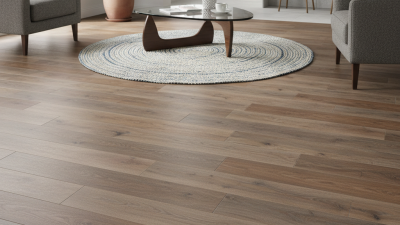
Can mimic natural wood and stone looks for aesthetic preferences. |
| Maintenance |
Easy to clean and maintain. |
Requires no harsh chemicals, just regular mopping. |
Assessing Your Space: Factors to Consider for SPC Flooring Selection
When choosing rigid SPC vinyl flooring, assessing your space is crucial. You need to consider the room's size, lighting, and function. For instance, a small room may require lighter colors to create an illusion of space. In contrast, larger areas can handle bolder shades and textures. Understanding how these factors interact helps create a cohesive look.
Tips: Measure your space before purchasing flooring. Make a blueprint of your room, noting dimensions and furniture placements. This practice helps visualize how flooring will fit into your environment.
The room's purpose also plays a pivotal role. High-traffic areas, like hallways or kitchens, need durable options. On the other hand, quieter spaces, such as bedrooms, can prioritize comfort. Reflect on how each room is used daily; it may change your choices in flooring types and styles.
Tips: Think about maintenance. Some flooring types may require regular cleaning or special care. Choose options that align with your lifestyle. If you have pets or children, durability becomes even more important. Balancing aesthetics and functionality ensures you make the right choice for your SPC vinyl flooring needs.
Comparing SPC Vinyl Flooring with Other Flooring Options
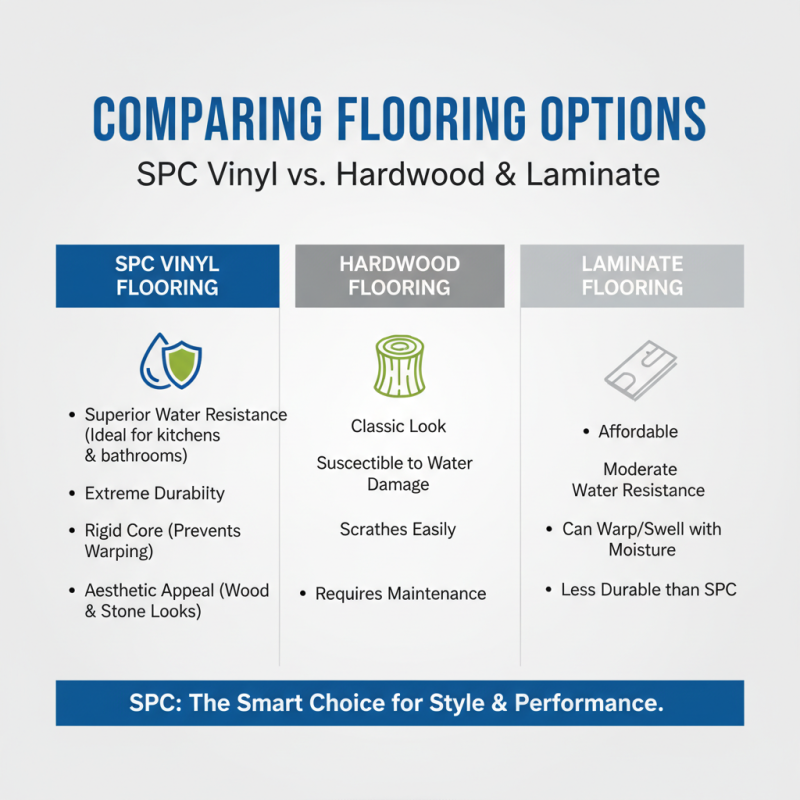
When choosing flooring, SPC vinyl flooring stands out in many ways. It combines durability and aesthetic appeal. Unlike traditional hardwood or laminate, SPC vinyl offers superior water resistance. This makes it ideal for high-moisture areas like bathrooms and kitchens. Its rigid core structure provides stability and prevents warping over time.
However, SPC vinyl is not without its limitations. While it can mimic the look of wood or stone, some people find it lacks the authentic feel of these materials. Installation can also be tricky, requiring precise measurements and tools. When comparing it to other options like carpet or tile, consider your lifestyle and needs. Carpet is softer but can trap allergens, while tile is cold and hard underfoot. SPC serves as a middle ground with its blend of comfort and practicality.
Selecting the right flooring can be daunting. Each material has unique strengths and weaknesses. It’s essential to evaluate factors like installation, maintenance, and overall cost. Think about your daily routines. The choice you make should reflect not just aesthetics but also functionality and longevity.
Installation Process: What You Need to Know Before Buying SPC Flooring
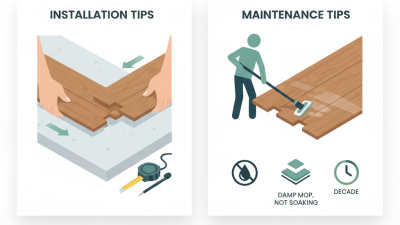
Choosing the right SPC (Stone Plastic Composite) flooring involves understanding the installation process thoroughly. Before making a purchase, consider the subfloor condition. An uneven surface can lead to complications later. Ensure your subfloor is clean, dry, and level. This step is critical. Any imperfections can manifest through the flooring, affecting its longevity.
Gather the necessary tools before starting installation. You will need a utility knife, rubber mallet, measuring tape, and spacers. Proper planning simplifies the process. Measure your space accurately to determine how many planks to purchase. Take time to familiarize yourself with the tongue-and-groove locking system of SPC flooring. Many homeowners face challenges due to inadequate understanding of installation techniques.
Pay attention to temperature during installation. The ideal temperature range is between 65°F and 85°F. Extreme temperatures can cause expansion or contraction of the planks. Remember to allow the planks to acclimate to the room's temperature before installation. This practice helps reduce issues down the line. Consider hiring a professional if you're unsure. Mistakes in installation can lead to costly repairs or flooring replacement, reflecting the importance of proper execution.
Maintenance Tips for Longevity of Your SPC Vinyl Flooring Choices
SPC vinyl flooring is celebrated for its durability and aesthetic appeal. Proper maintenance can significantly extend its lifespan. According to the National Wood Flooring Association, regular cleaning can boost flooring longevity by up to 30%. Simple practices like sweeping or vacuuming can prevent dust and grit buildup, which may scratch the surface over time.
Moreover, it's crucial to address spills promptly. Leaving moisture can lead to warping or discoloration if not managed. A study by the Resilient Floor Covering Institute shows that maintaining low humidity levels can further protect flooring integrity. Using doormats at entrances can minimize dirt from outside, acting as the first line of defense.
Occasional deep cleaning with manufacturer-recommended products is advisable but can lead to wear if overdone. It's vital to review cleaning frequency based on foot traffic and usage. Reflecting on long-term maintenance plans can help you save costs. Balancing care with practical usage is a key to preserving the beauty of your SPC vinyl flooring.



 Send Email
 whatsapp
 Whatsapp