How to Choose the Best Indoor WPC Wall Cladding for Your Home Design
When it comes to creating a beautiful and functional interior space, the choice of materials can significantly influence the overall aesthetic and durability of your home design. One increasingly popular option among homeowners and designers alike is Indoor WPC Wall Cladding. This innovative material combines wood and plastic to offer a sustainable, weather-resistant solution that not only enhances the visual appeal of your interiors but also provides long-lasting performance.
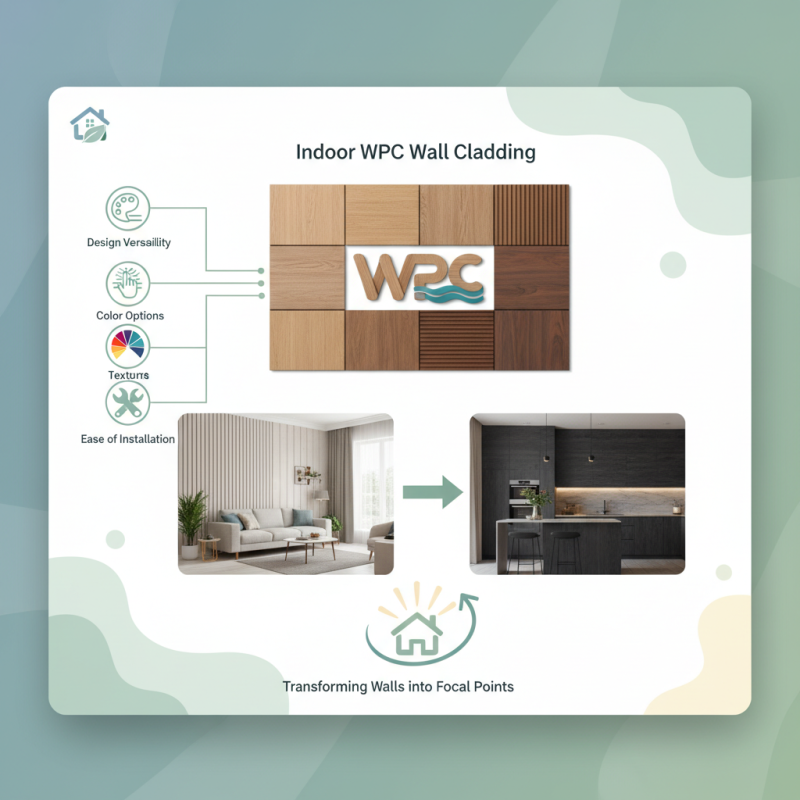
Selecting the best Indoor WPC Wall Cladding involves considering various factors, such as design versatility, texture, color options, and ease of installation. With a myriad of choices available on the market, understanding the unique characteristics of WPC can help you make an informed decision that aligns with your personal style and functional requirements. As you embark on your journey to elevate your living spaces, the right Indoor WPC Wall Cladding can transform your walls from mere structures into stunning focal points that reflect your unique design vision.
Choosing the Right Indoor WPC Wall Cladding for Your Home Aesthetic
When selecting the right indoor WPC (Wood Plastic Composite) wall cladding for your home aesthetic, it’s essential to consider several factors that align with both your design vision and practical needs. According to a report from the Freedonia Group, the demand for WPC products is expected to grow by over 12% annually through 2025, driven largely by their versatility and appeal in modern home design. This growth is partly due to the material's ability to mimic natural wood textures while offering enhanced durability, resistance to moisture, and ease of maintenance—qualities that cater perfectly to indoor environments.
Choosing the right style of WPC wall cladding also involves considering color, texture, and the overall ambiance you wish to create. A survey by Grand View Research states that neutral tones are particularly popular for indoor cladding, as they provide a timeless backdrop that can seamlessly blend with various decor styles. Furthermore, integrating different textures can evoke different feelings; for example, a matte finish might suit a minimalistic approach, while a rustic wood grain can add warmth and coziness to a space. It’s crucial to visualize how these elements will interact with your existing furniture and color schemes to achieve a cohesive look that enhances your overall home aesthetic.
Understanding the Composition and Benefits of WPC Wall Cladding Materials
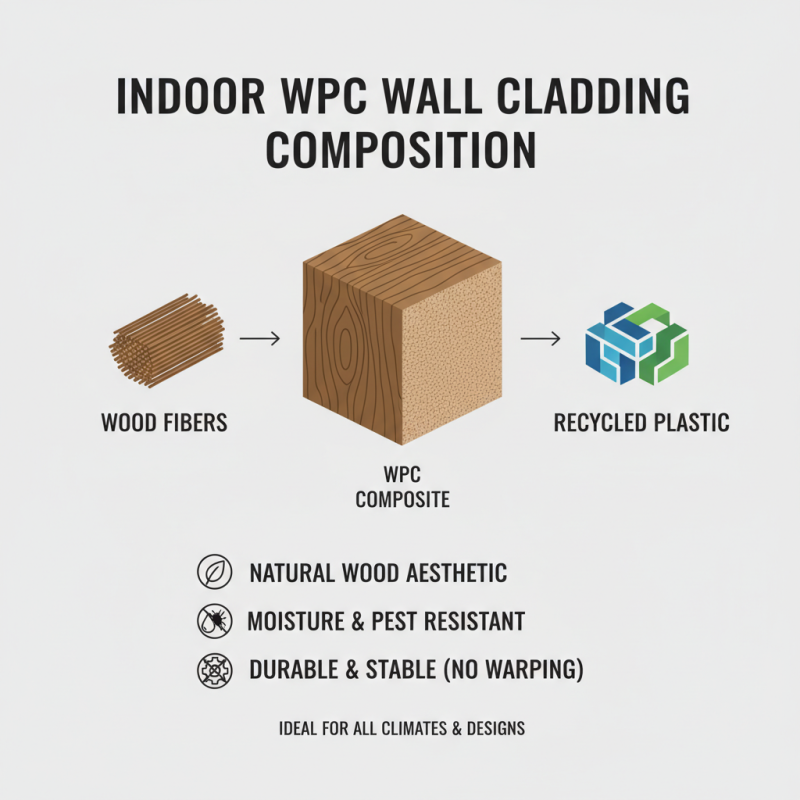
When selecting WPC (Wood Plastic Composite) wall cladding for indoor applications, understanding its composition is crucial. WPC is predominantly made from a blend of wood fibers and recycled plastic, which contributes to its durability and versatility. This fusion not only provides the aesthetic appeal of natural wood but also enhances resistance to moisture, insects, and decay. The incorporation of plastic helps to create a stable structure that doesn’t warp or crack, making it ideal for various climates and interior designs.
The benefits of WPC wall cladding extend beyond its attractive appearance. It is known for being eco-friendly, as the materials often include recycled components that minimize environmental impact. Additionally, WPC cladding requires less maintenance compared to traditional wood, resisting fading and staining, which ensures longevity. With a range of finishes and textures available, WPC wall cladding can complement various home styles while providing reliable performance. Recognizing these aspects makes it easier to choose the right indoor WPC wall cladding that meets both aesthetic and functional needs for any home design.
Evaluating Durability: Lifespan and Maintenance of Indoor WPC Options
When selecting the best indoor Wood Plastic Composite (WPC) wall cladding for your home design, evaluating durability is crucial. WPC materials are engineered to resist moisture, making them a suitable choice for various indoor environments, including kitchens and bathrooms. The lifespan of WPC wall cladding can vary, but many products are designed to last significantly longer than traditional wood, often exceeding 25 years with proper care. This longevity primarily stems from their resistance to warping, cracking, and splitting, which are common issues with natural wood when exposed to humidity and temperature fluctuations.
Maintenance is another vital consideration when assessing indoor WPC options. Unlike natural wood, which may require regular sealing or painting, WPC wall cladding typically demands minimal upkeep. Routine cleaning with mild soap and water is usually sufficient to maintain its appearance. Additionally, its resistance to mold and mildew further reduces the need for intensive maintenance. Overall, understanding the durability and maintenance needs of WPC wall cladding can help homeowners make informed decisions that align with their aesthetic preferences and lifestyle.
How to Choose the Best Indoor WPC Wall Cladding for Your Home Design - Evaluating Durability: Lifespan and Maintenance of Indoor WPC Options
| WPC Type |
Lifespan (Years) |
Maintenance Frequency |
Water Resistance |
UV Resistance |
Price Range ($/sq ft) |
| Wood Plastic Composite A |
25 |
Every 2 years |
High |
Moderate |
$2.50 - $4.00 |
| Wood Plastic Composite B |
20 |
Every 3 years |
Moderate |
High |
$3.00 - $5.00 |
| Wood Plastic Composite C |
30 |
Every 5 years |
Very High |
Low |
$4.00 - $6.00 |
| Wood Plastic Composite D |
15 |
Every year |
Moderate |
Moderate |
$2.00 - $3.50 |
Design Trends: Popular Styles and Finishes in WPC Wall Cladding 2023
In 2023, the trends in WPC (Wood Plastic Composite) wall cladding showcase a blend of aesthetics, durability, and sustainability. With increasing consumer awareness about eco-friendly products, many homeowners are now opting for WPC materials that offer versatility in design while minimizing environmental impact. According to a recent report by Allied Market Research, the global WPC market is projected to reach $9.1 billion by 2027, highlighting the growing preference for these materials in residential construction and interior design.
Among the popular styles in 2023, minimalist designs are leading the way, featuring clean lines and neutral tones that complement modern home aesthetics. Textured finishes such as embossed or brushed patterns are also gaining traction, adding depth and character to living spaces. Homeowners are increasingly selecting WPC wall cladding that resembles natural wood, providing the warmth of traditional materials while benefiting from WPC’s superior resistance to moisture and pests.
Tips: When choosing WPC wall cladding, consider the maintenance level you are willing to commit to. Many finishes require less upkeep than traditional wood, but knowing the specific care for your chosen design can enhance durability. Additionally, exploring various colors and textures can help achieve a cohesive look with your existing decor. Don't forget to request samples to visualize how the material will look in your space before making a final decision.
Cost Analysis: Budgeting for WPC Wall Cladding Installation and Upkeep
When considering WPC (Wood Plastic Composite) wall cladding for your home, understanding the cost implications is crucial. According to a recent report by Freedonia Group, the market for WPC wall cladding has been rising and is projected to reach $1.2 billion by 2025, with projected growth rates around 8% annually. This growth is largely driven by the material's durability, low maintenance requirements, and aesthetic appeal, which make it an attractive option for homeowners.
The initial installation cost can vary widely based on factors such as the quality of materials and complexity of the installation process. On average, homeowners can expect to spend between $2.50 to $7.50 per square foot for WPC wall cladding. For a standard-sized living room, this means budgeting anywhere from $1,500 to $4,500 for materials alone. Maintenance costs are relatively low, with periodic cleaning and occasional resealing needed every several years. Industry data suggests that maintenance for WPC can cost approximately $0.50 to $1.00 per square foot annually, far less than traditional wood cladding, which often requires more frequent painting and sealing.
In addition to these costs, it’s important to factor in long-term savings associated with WPC's longevity. With a lifespan exceeding 25 years, the overall investment may prove more economical compared to traditional materials over time, making WPC an appealing choice for budget-conscious homeowners aiming for sustainable design solutions.
Cost Analysis: Budgeting for WPC Wall Cladding Installation and Upkeep






 Send Email
 whatsapp
 Whatsapp