How to Choose the Best Spc Tile Flooring for Your Home?
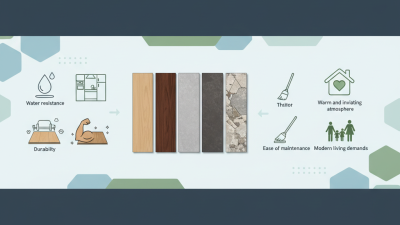
Choosing the right flooring for your home is crucial. SPC Tile Flooring has gained popularity among homeowners. The hybrid structure offers durability and style. According to industry reports from Research and Markets, the global SPC flooring market is expected to grow by 9% annually until 2027. This shows the increasing demand for SPC tiles due to their water resistance and ease of maintenance.
SPC Tile Flooring blends beauty with practicality. It mimics natural materials like wood and stone but with added benefits. Homeowners appreciate its resilience against scratches and dents, making it suitable for busy households. However, not all SPC products are created equal. Some lower-quality options may lack the necessary stability and warranty.
Investing in SPC flooring can elevate your home’s aesthetic. Yet, it’s essential to evaluate your needs carefully. Consider moisture levels, foot traffic, and design preferences. The right choice can enhance comfort and value for years. Understanding these factors will empower you to make an informed decision.
Understanding SPC Tile Flooring: Definition and Composition
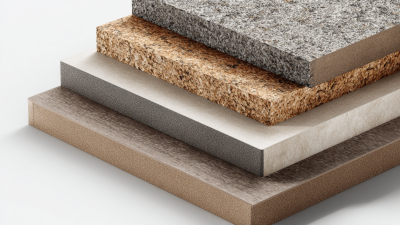
SPC tile flooring, or Stone Plastic Composite, offers a modern solution for home interiors. It consists of a durable core made from a combination of limestone and PVC, providing strength and water resistance. This unique composition makes SPC tiles suitable for various environments, including kitchens and bathrooms.
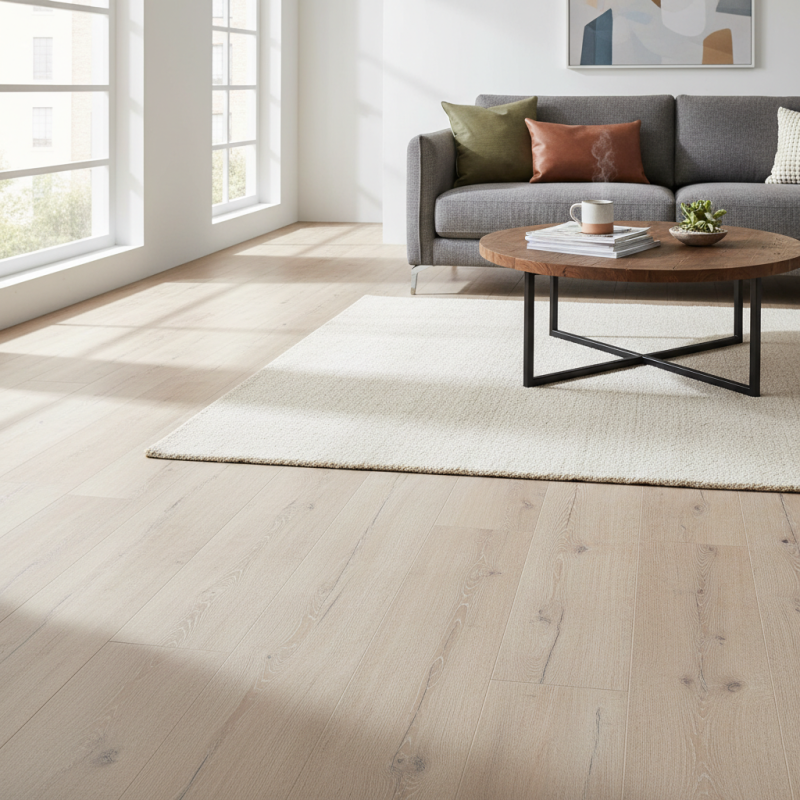
When considering SPC tile flooring, focus on its layered structure. The top layer often features a realistic design that mimics natural materials such as wood or stone. This visual appeal is enhanced through high-definition printing techniques. Many people appreciate how SPC tiles can offer the beauty of hardwood without the maintenance challenges.
While SPC flooring is durable, it is essential to consider your specific living situation. Heavy foot traffic or pets may wear down the surface over time. Some tiles may not be as slip-resistant as others, which could be a concern in high-traffic areas. Weighing these factors can help determine the best fit for your lifestyle and aesthetic preferences.
Understanding the Features of SPC Tile Flooring
The chart above represents the ratings of various features of SPC Tile Flooring based on key parameters that homeowners consider while choosing the best option for their homes. Ratings are given on a scale of 1 to 10, highlighting durability, water resistance, ease of installation, design variety, and cost efficiency.
Comparing SPC Flooring to Other Flooring Options: Pros and Cons
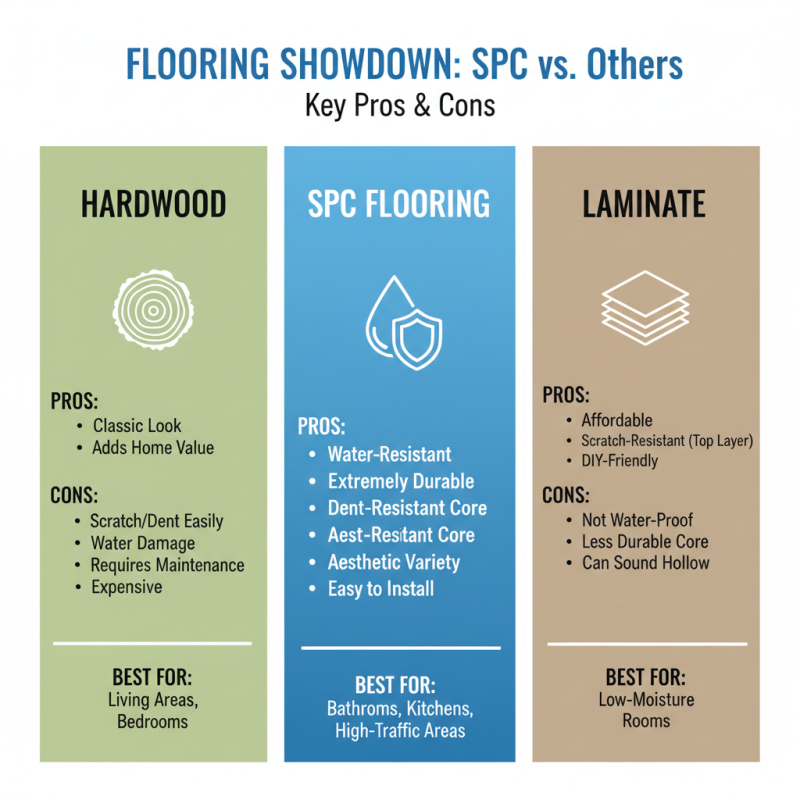
When considering SPC (Stone-Plastic Composite) flooring, it's essential to compare it with other flooring options. This type of flooring offers a unique blend of durability and aesthetics. SPC flooring is resistant to water, making it an excellent choice for bathrooms and kitchens. Its rigid core construction provides stability and helps prevent denting, a common issue with softer flooring materials.
However, SPC flooring is not without its drawbacks. Installation might require special tools and expertise that could elevate costs. Some homeowners find the texture less appealing compared to natural wood or stone. Additionally, while SPC is generally comfortable underfoot, it may not provide the same warmth as carpet or natural materials.
When choosing flooring, consider maintenance requirements. SPC is easy to clean, but it may need occasional waxing to keep it looking pristine. Weighing these pros and cons can help you make an informed decision. SPC flooring can be a practical choice, but it’s crucial to evaluate your personal needs and preferences.
Key Factors to Consider When Selecting SPC Tile Flooring
Choosing the right SPC tile flooring for your home involves several key factors. One major consideration is the thickness of the planks. Thickness typically impacts durability and sound absorption. According to industry data, a thickness of at least 5mm is ideal for residential spaces to ensure longevity.
Another important factor is the wear layer. A thicker wear layer, typically 20 mil or above, provides better resistance against scratches and stains. Reports show that homes with higher foot traffic greatly benefit from this feature. When selecting SPC tiles, consider the design options as well. Tiles come in various designs and textures mimicking natural stone or wood, allowing for personal expression within your space.
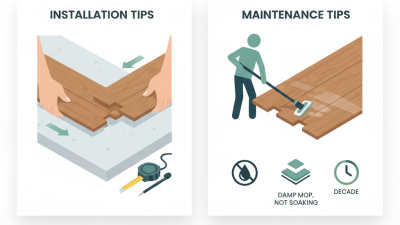
Tips: Always inspect samples before purchasing. This helps visualize how the flooring fits your home’s lighting and decor. Don’t overlook installation methods; some SPC tiles require specific underlayment for optimal performance. If unsure, consulting a professional can save time and money in the long run.
Analyzing SPC Tile Durability and Maintenance Requirements
SPC tile flooring, or Stone Plastic Composite, stands out for its durability. Research from the National Floor Covering Association shows that SPC tiles can withstand heavy foot traffic. This makes them suitable for both residential and commercial spaces. They offer a rigid core that minimizes wear and tear over time.
Maintenance of SPC tiles is straightforward. They require regular sweeping and occasional mopping with mild solutions. A study indicated that improper cleaning can lead to rapid deterioration. Scratches and stains can occur if sharp objects are not handled carefully. Homeowners must be mindful of their cleaning tools. Using a soft mop helps maintain the floor’s finish effectively.
The lifespan of SPC tiles can reach up to 25 years or more, according to industry analysis. However, exposure to harsh chemicals can undermine this longevity. Maintaining a consistent temperature and humidity level is crucial for preserving the tiles' integrity. The investment in quality flooring pays off over time, but attention to care is essential.
How to Choose the Best Spc Tile Flooring for Your Home? - Analyzing SPC Tile Durability and Maintenance Requirements
| Dimension |
Description |
Rating (1-5) |
Maintenance Frequency |
| Durability |
Resistant to scratches, stains, and wear |
4 |
Every 3-5 years |
| Water Resistance |
Suitable for areas with high moisture |
5 |
As needed |
| Installation Ease |
DIY friendly with click-lock design |
4 |
Initial setup only |
| Variety of Styles |
Available in many colors and patterns |
5 |
N/A |
| Cost Efficiency |
Affordable with good long-term performance |
4 |
Regular cleaning |
Exploring Aesthetic Choices: Colors, Designs, and Textures in SPC Tiles
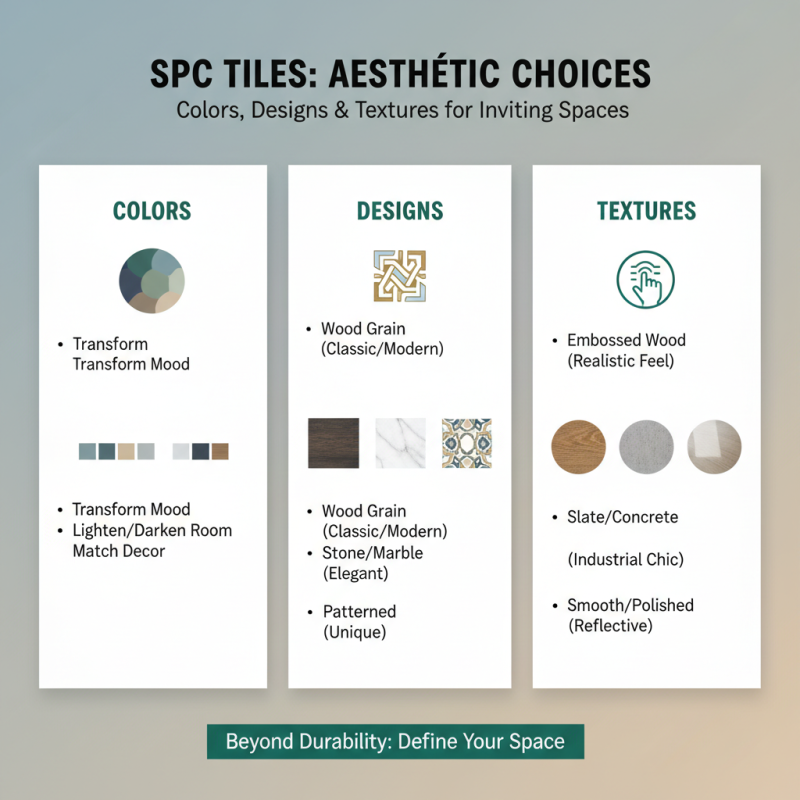
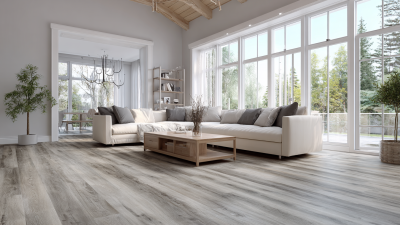
Choosing the right SPC tile flooring goes beyond durability. Aesthetic choices play a crucial role in enhancing your space. Colors, designs, and textures transform empty rooms into inviting spaces.
When selecting colors, consider the lighting. Lighter shades make rooms feel larger and brighter. Darker colors add warmth and coziness. Each color tells a story. Subtle tones create a calm atmosphere, while bold hues make a statement. The interplay between color and light can change the room dynamic throughout the day.
Designs also influence the visual appeal. Different patterns, such as tiles mimicking wood or stone, add character. Textures bring depth and interest to floors. Smooth textures create a modern feel, while rough textures can evoke a rustic charm. However, remember that too many patterns can overwhelm a space. Striking a balance is key for a cohesive look, requiring careful consideration of all elements.



 Send Email
 whatsapp
 Whatsapp