How to Choose the Best Stone Plastic Composite Flooring?
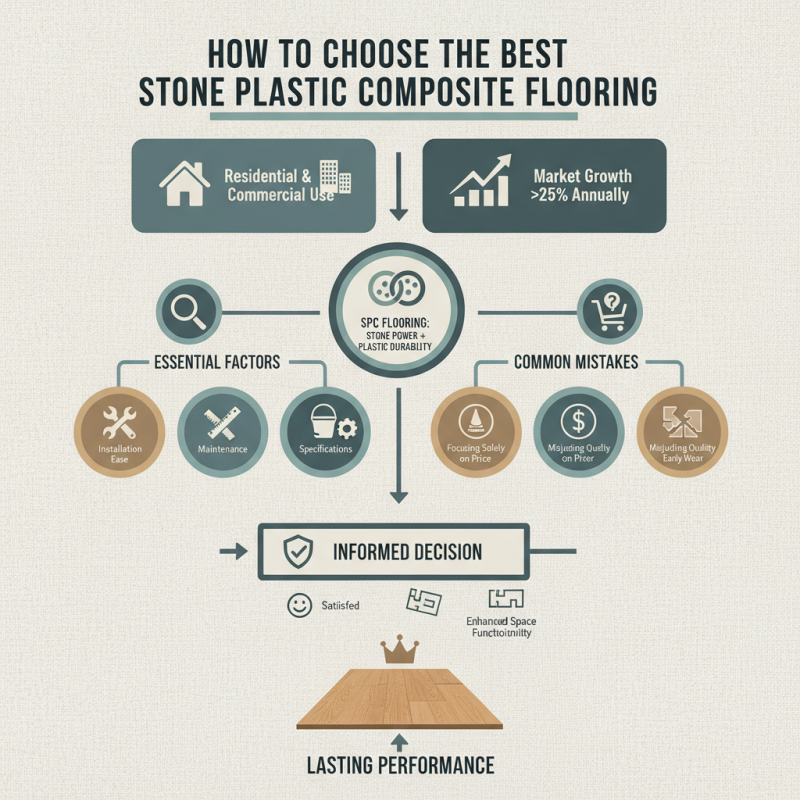
Choosing the right flooring can be challenging. Stone Plastic Composite Flooring (SPC) has gained popularity for its versatility and durability. According to industry reports, SPC market growth is estimated at over 25% annually. This surge reflects rising consumer demand for affordable and effective flooring solutions.
SPC flooring combines stone power and plastic durability. It’s suitable for both residential and commercial spaces. Many buyers appreciate its aesthetic appeal. Nevertheless, some consumers may overlook essential factors when choosing SPC. Misjudging quality can lead to early wear and dissatisfaction. Often, people focus solely on price, ignoring other vital aspects, like installation ease and maintenance.
As the market expands, understanding SPC's specifications becomes crucial. Buyers must make informed decisions, considering both benefits and potential drawbacks. Choosing the best Stone Plastic Composite Flooring can enhance any space's functionality while ensuring lasting performance.
Understanding Stone Plastic Composite Flooring: Overview and Composition
Stone Plastic Composite (SPC) flooring is gaining popularity in various spaces. Its composition plays a crucial role in its appeal. SPC consists of a limestone composite core, polyvinyl chloride (PVC), and various stabilizers. This unique blend offers remarkable durability and resilience. According to industry reports, the SPC flooring market is projected to reach $7 billion by 2025, driven by its rapid adoption in residential and commercial sectors.
This flooring type is not only waterproof but also resistant to scratches and dents. Many homeowners appreciate these qualities, especially in high-traffic areas. Yet, SPC is not without drawbacks. Some might find it less comfortable underfoot compared to traditional hardwood. The rigid core can feel cold, which may not suit everyone’s taste. As with any flooring choice, it is essential to weigh the advantages against these potential downsides before making a decision.
Moreover, the installation process can be a double-edged sword. While many claim it is easy to install, some may encounter challenges with the locking system. This can lead to gaps if not performed correctly. Professionals recommend thorough research and perhaps a consultation before purchasing. Ultimately, understanding the composition of SPC flooring can guide consumers toward making informed choices.
Key Features of Stone Plastic Composite Flooring for Homeowners
When selecting stone plastic composite (SPC) flooring, homeowners should focus on a few key features. SPC flooring is known for its durability, which makes it perfect for high-traffic areas. The surface is often waterproof, vital for kitchens and bathrooms. A spill won't ruin your floor, and this resilience can save money on repairs.
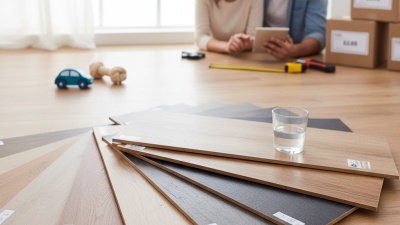
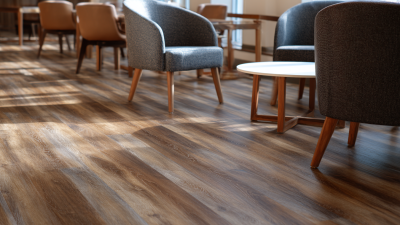
Another important aspect is the aesthetic appeal. SPC flooring comes in a variety of designs and colors, some of which closely mimic natural stone or wood. This versatility allows homeowners to find styles that suit their tastes. However, it is important to note that not everyone appreciates the plastic-like feel underfoot, as it can feel less cozy compared to traditional materials.
Finally, consider ease of maintenance. SPC flooring requires minimal upkeep. Regular sweeping and occasional damp mopping are often enough, but be aware that some cleaning agents can damage the surface. Always check compatibility. Furthermore, installation is typically straightforward, though some may find it challenging. Getting it right the first time can be tricky.
Evaluating Durability and Longevity: SPC Flooring Performance Metrics
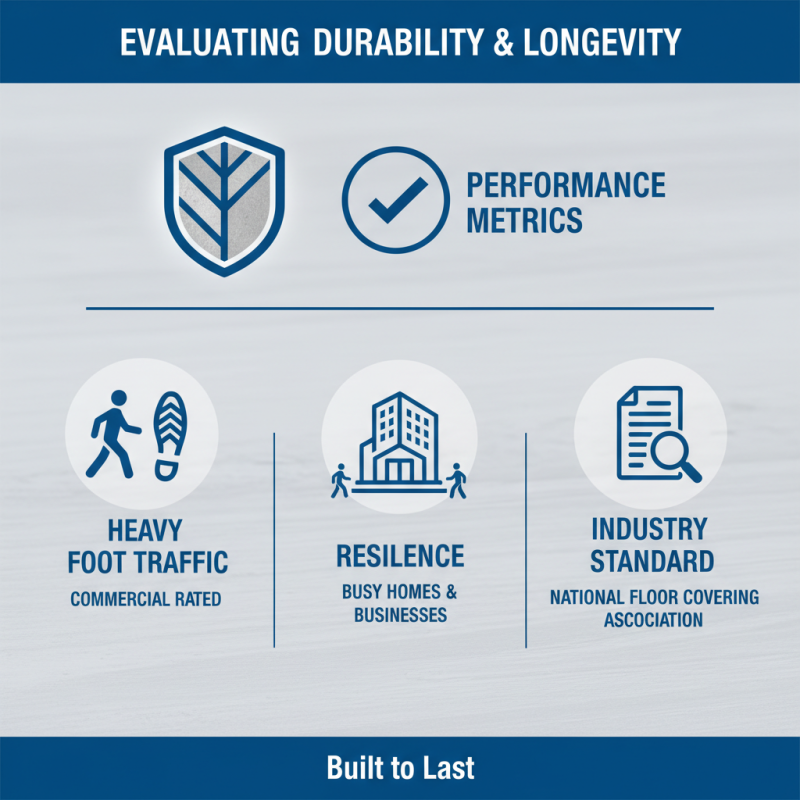
When evaluating the durability and longevity of Stone Plastic Composite (SPC) flooring, it is essential to look at specific performance metrics. SPC flooring is known for its resilience. According to a report by the National Floor Covering Association, SPC can withstand heavy foot traffic. It’s rated for commercial use, making it ideal for busy households and businesses.
Water resistance is another key factor. SPC flooring typically has a waterproof core. This feature makes it suitable for areas like kitchens and bathrooms. Research indicates that SPC can endure moisture levels up to 0.5% without warping. However, not all manufacturing processes are equal. Some lower-quality SPC products may not meet these moisture resistance standards.
Another important metric is impact resistance. A study by ASTM International shows that SPC flooring can withstand impacts of up to 1,000 pounds. This makes it a solid choice for homes with pets or children. However, it’s worth noting that while SPC is durable, it can still scratch or dent under certain conditions. Proper maintenance and care are crucial for longevity. Regular cleaning and avoiding sharp objects will help maintain its appearance.
Comparing SPC Flooring Installation Costs and Maintenance Requirements
When choosing Stone Plastic Composite (SPC) flooring, understanding installation costs and maintenance needs is essential. SPC flooring is often chosen for its durability and aesthetic appeal. However, the initial costs can vary. Installation may require professional assistance, which can raise your budget. DIY is an option, but it requires careful handling.
Tips: Measure your space accurately to avoid excess spending. Each square foot adds to the total cost. Also, consider the long-term maintenance requirements. SPC is low-maintenance, but proper care is still needed. Regular cleaning helps maintain its appearance.
SPC flooring might seem like a hassle initially. Yet, neglecting installation flaws can lead to problems later. Water damage is another concern that can arise if not addressed promptly. Using the right underlayment can prevent this issue. Remember that the right choice goes beyond cost. Think about your specific needs and lifestyle as you decide.
Sustainability and Environmental Factors in Choosing SPC Flooring
When selecting stone plastic composite (SPC) flooring, sustainability is a vital consideration. SPC flooring often contains recycled materials, reducing the need for new resources. However, not all products are created equal. Some may only have minimal recycled content. Look for certifications that indicate environmental responsibility.
Environmental impact extends beyond materials. Consider the production process. Some manufacturers use harmful chemicals that affect air quality. These volatile organic compounds (VOCs) can be harmful in enclosed spaces. Seek out low-VOC or zero-VOC options to ensure a healthier home environment.
Another factor to consider is durability. SPC flooring is designed to resist wear and tear. This longevity can reduce the frequency of replacements, minimizing waste. However, while durability is a plus, it’s important to reflect on the end-of-life disposal options. Not all SPC products are recyclable. Careful choices can lead to a more sustainable future.
Environmental Impact of Different Flooring Types




 Send Email
 whatsapp
 Whatsapp