How to Choose the Best Waterproof Spc Flooring for Your Home?
Choosing the right Waterproof Spc Flooring for your home can feel overwhelming. According to flooring expert John Doe, "The right choice can transform your space while providing durability." Waterproof Spc Flooring is a popular option due to its resilience and aesthetic appeal.
Many homeowners struggle to understand the different options available. Spc Flooring combines stone plastic composite and luxury vinyl. This unique blend provides water resistance, which is essential in high-moisture areas. It is also crucial to consider design and color when selecting your flooring.
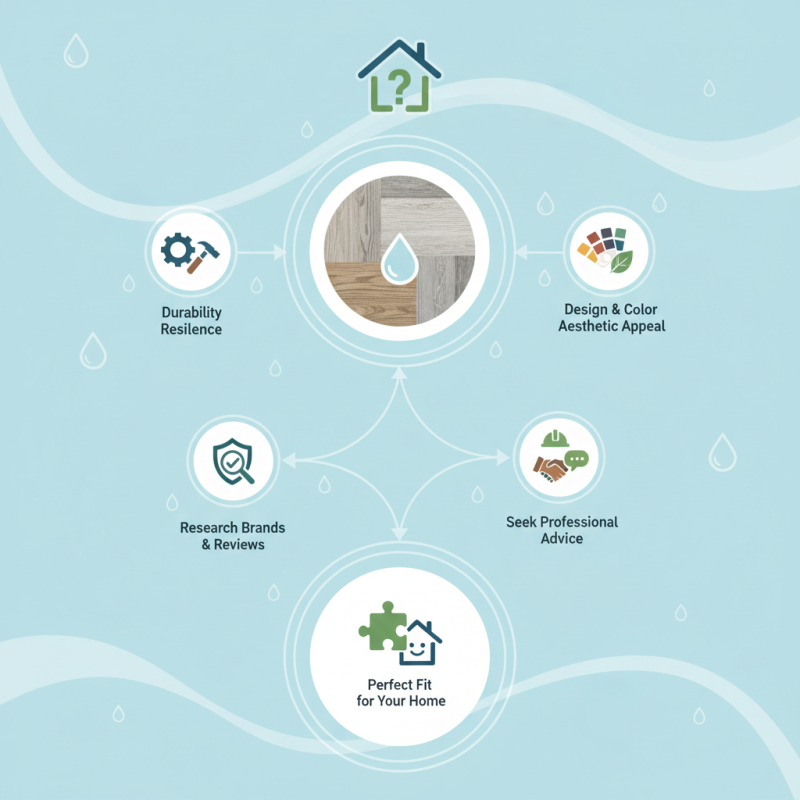
While Waterproof Spc Flooring offers many benefits, not all products are created equal. Some may lack longevity or be prone to scratches. Make sure to research brands and reviews. Seek advice from professionals to avoid common pitfalls. With the right approach, you can find the perfect flooring that meets your needs.
Understanding Waterproof SPC Flooring and Its Benefits
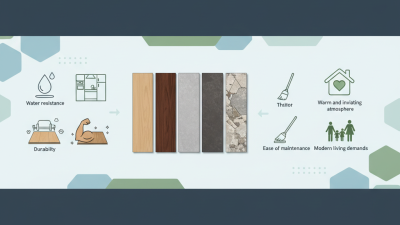
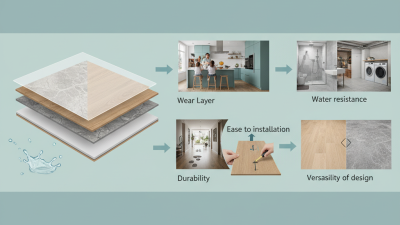
Waterproof SPC flooring has become a popular choice for many homeowners. Its unique composition combines stone plastic composite with a top layer that repels water. This makes it an excellent option for areas prone to moisture, like kitchens and bathrooms. Unlike traditional laminate or hardwood, SPC flooring won’t warp when exposed to water, ensuring durability over time.
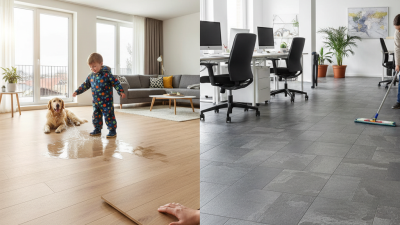
One significant benefit of waterproof SPC flooring is its ease of maintenance. It can be cleaned with a simple mop and bucket, making it suitable for busy households. Additionally, its robust surface resists scratches and stains, which is essential for families with pets or children. While choosing this flooring, consider the wear layer thickness. A thicker layer offers better protection, but also accounts for higher costs.
However, not all SPC flooring is created equal. It's crucial to research product quality and installation methods. Some may not adhere to industry standards, leading to issues down the road. Inspecting samples and reviewing customer feedback can help. This attention to detail ensures long-lasting satisfaction with your flooring choice.
Key Features to Look for in Waterproof SPC Flooring
When selecting waterproof SPC flooring, consider the core features that ensure durability and functionality.
One essential element is the waterproof rating. High-quality SPC flooring should be completely waterproof, preventing damage from spills or moisture.
Look for products with a robust core and sealed edges to enhance this feature.
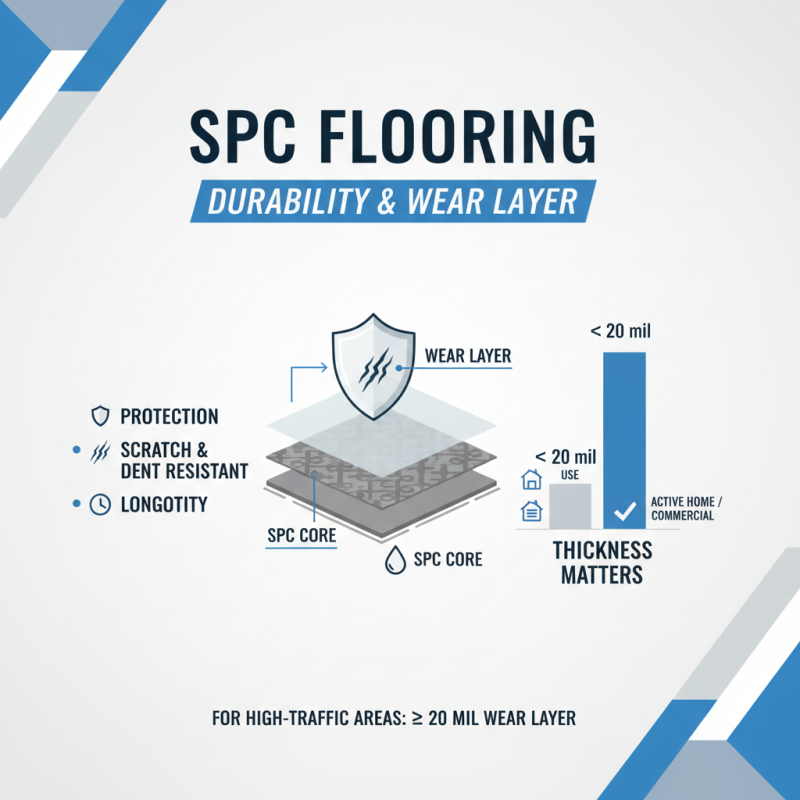
Another vital aspect is the thickness of the wear layer. A thicker wear layer provides better protection against scratches and dents.
Generally, a wear layer of 20 mils or more is ideal for residential use. Additionally, consider the flooring’s texture.
A textured surface not only adds aesthetic appeal but also enhances grip, making it safer in wet areas.
While aesthetics matter, focus on practicality. Some patterns may look beautiful but can be challenging to maintain.
Balance design with ease of cleaning. Reflect on your lifestyle: if you have pets or kids, choose flooring that stands up to heavy foot traffic.
Waterproof SPC flooring is an investment;
ensure it meets your long-term needs and complements your living space.
Evaluating the Durability and Wear Layer of SPC Flooring
When selecting waterproof SPC flooring, evaluating the durability and wear layer is crucial. The wear layer protects the design and structure of the flooring. It’s important to consider thickness; a thicker wear layer typically offers better protection against scratches and dents. Generally, a thickness of 20 mil or more is recommended for high-traffic areas in your home.
Additionally, durability is influenced by the quality of the SPC core. High-quality SPC flooring can withstand temperature fluctuations and high moisture levels. However, not all products perform equally. Some may show wear after just a few years, especially in busy households. Assessing customer reviews and product specifications can provide critical insights into long-term performance.
While you may find flooring that appears beautiful, prioritize function over aesthetics. Seek reliable manufacturers that prioritize quality assurance. Remember, it’s crucial to balance style and practicality. Even the best-looking options may fail under daily stresses. Choosing carefully will lead to long-lasting satisfaction with your flooring investment.
Comparing Waterproof Ratings and Installation Methods
When selecting waterproof SPC flooring, understanding waterproof ratings is crucial. These ratings indicate the extent to which the flooring can withstand moisture. Higher ratings ensure better performance in humid areas, such as kitchens and bathrooms. Look for products labeled as "waterproof" or "water-resistant." Such details help in making informed decisions.
Installation methods also play a significant role in the flooring's effectiveness. Some options require glue, while others are easy to click together. Installation difficulty can vary based on your skill level. For example, glue-down methods might offer enhanced stability but can be messier. Conversely, click-lock installations are user-friendly but may not provide the same moisture barrier.
Consider your specific needs and environment. A beautiful floor means little if it doesn’t hold up against the elements. Researching and comparing different methods can be tedious. Yet, this effort ensures that your choice aligns with your lifestyle. Rushing into a decision often leads to regrets later on. A thoughtful approach can save time and money in the long run.
Cost Analysis: Balancing Quality and Budget for SPC Flooring
When selecting waterproof SPC flooring, cost is a crucial factor. According to industry reports, most homeowners spend between $3 to $7 per square foot on SPC flooring installation. However, opting for the cheapest solution may compromise quality. Higher-quality SPC products offer better durability and longevity, which can save money over time. Data suggests that mid-range options, priced around $5 per square foot, strike a solid balance between affordability and quality.
Consider factors like thickness and wear layer. Thicker flooring usually translates to greater stability and better resistance to wear. A wear layer of at least 20 mils is advisable for high-traffic areas. Investing in a product with these features can reduce the frequency of replacements. This will keep long-term costs down, even if the upfront investment is slightly higher. A study by the Flooring Association found that durable flooring can last 15 years or more, minimizing future expenses.
Budget constraints can create a dilemma for many homeowners. Cutting costs might lead to undesirable outcomes, such as frequent repairs or replacements. It’s essential to weigh initial savings against potential long-term costs. Choosing the right SPC flooring is a reflection of financial wisdom, ensuring that your home is both stylish and resilient. Aim for a floor that meets both your budget and your lifestyle needs.



 Send Email
 whatsapp
 Whatsapp