How to Choose Indoor WPC Wall Cladding for Your Home Decor?
When transforming your home, Indoor WPC Wall Cladding can be a game changer. It combines beauty and durability, ideal for modern spaces. The warmth of wood with the resilience of plastic creates a unique fusion.
Choosing the right Indoor WPC Wall Cladding involves careful consideration. Think about the color, texture, and style. Each element contributes to the overall ambiance. For instance, light colors can make a room feel airy. Darker shades may add depth and intimacy.
Reflect on your personal taste. Often, what seems perfect might not suit all spaces. Experimentation can lead to surprising results. Maybe a bold pattern is worth a try. Indoor WPC Wall Cladding has options for everyone, inviting creativity into your decor.
Factors to Consider When Selecting Indoor WPC Wall Cladding
When it comes to selecting indoor WPC (Wood Plastic Composite) wall cladding, several factors play a crucial role. Color and texture are two important aspects. Various shades, from deep walnut to light maple, can impact your home’s ambiance. Statistics show that 67% of homeowners prioritize aesthetic appeal when choosing wall materials. Ensure that the color complements your existing decor.
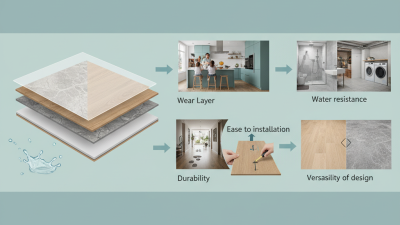
Durability is another key factor. WPC cladding typically offers high resistance to moisture and pests. Reports indicate that this material can last over 50 years without significant wear. However, not all products are created equal. Some may not withstand heavy impacts or extreme temperatures. Therefore, examining product specifications is essential.
Cost is an area where many struggle. While WPC wall cladding may have a higher upfront cost compared to traditional materials, long-term savings are possible. Maintenance requirements are often lower. Yet, it’s wise to calculate the total cost of ownership, including installation. Over time, unexpected expenses can arise. Consider all these factors carefully before making a final decision.
Understanding the Different Types of WPC Wall Cladding Materials
When choosing indoor WPC wall cladding,
material options play a crucial role. WPC, or wood-plastic composite, combines wood fibers and plastic.
This blend offers durability and a natural look.
Different types of WPC wall cladding materials exist, each with unique benefits.
For example, some provide superior water resistance, making them suitable for moist environments.
Others focus on aesthetic appeal, available in various colors and textures.
The variety can be overwhelming. A careful balance between style and function is essential.
Mismatched choices can lead to a disjointed look.
While WPC is a versatile material, it's important to consider the feel. Some types may feel rough or cheap compared to natural wood.
You might think you're saving time and effort. However, a rushed decision can result in unsatisfactory finishes.
Always test a sample before finalizing your choice.
Pay attention to details;
small imperfections can become significant issues later.
Evaluating Aesthetic and Design Options for Your Space
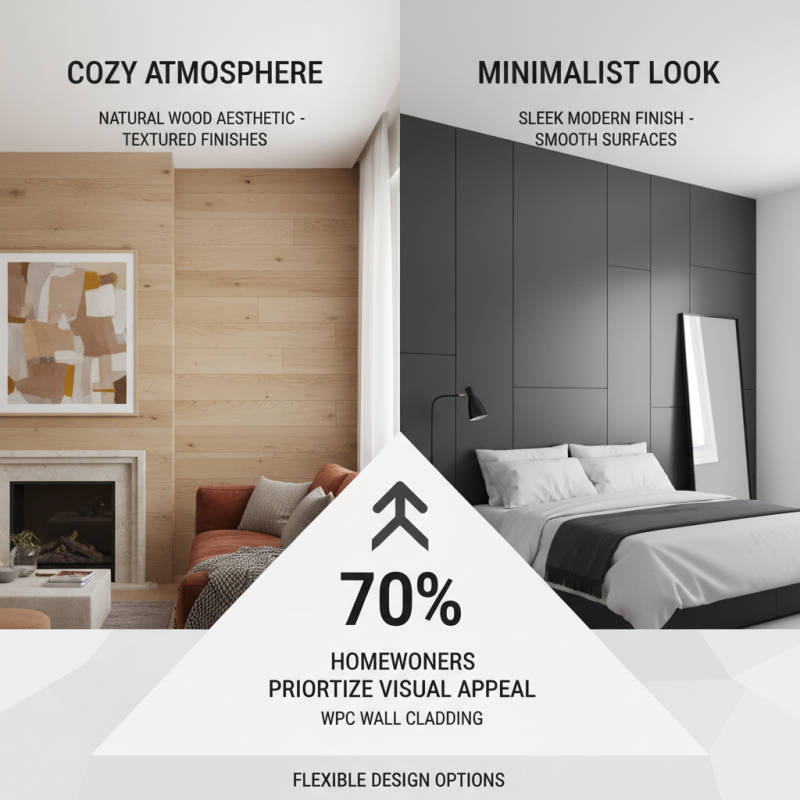
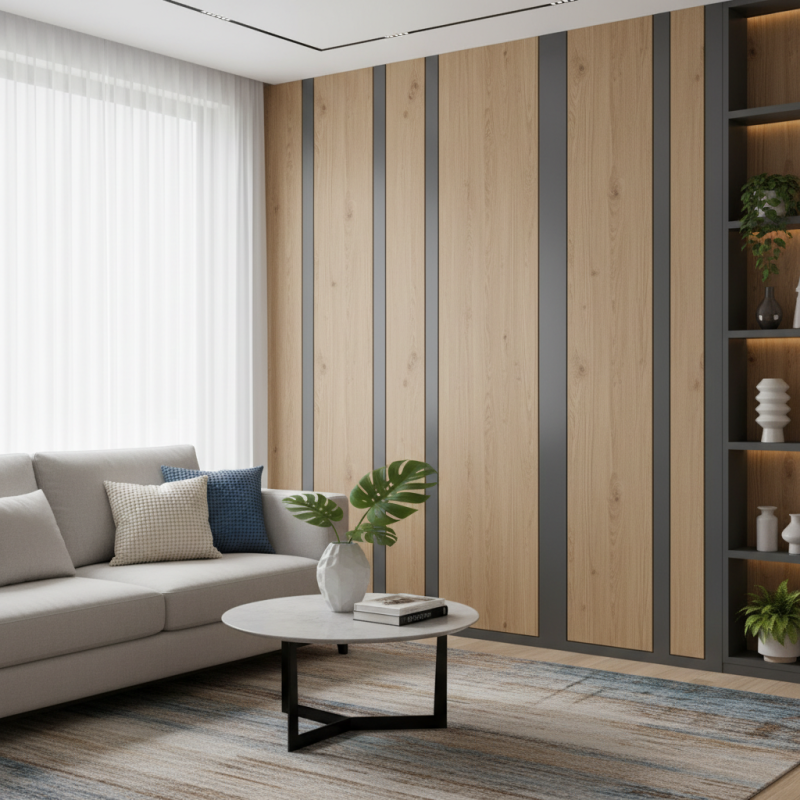
When considering indoor WPC wall cladding, aesthetics and design options play a crucial role. According to a recent industry report, over 70% of homeowners prioritize visual appeal when selecting materials. WPC wall cladding can mimic natural wood or offer a sleek modern finish, providing flexibility for various interior styles. The textures and colors available can create a cozy atmosphere or a minimalistic look, depending on your design goals.
The choice of color and texture should reflect the overall theme of your space. Lighter shades may open up a room, while darker hues can add depth. However, many homeowners tend to overlook the importance of consistency in design. Mixing too many styles can create visual chaos. An industry survey revealed that more than 40% of consumers regretted their choices due to a lack of a cohesive vision. Paying attention to patterns and materials is essential.
Moreover, consider the long-term maintenance of your wall cladding. While WPC is known for durability, not all finishes wear the same way over time. Some surfaces may scuff easily or fade with exposure to direct sunlight. It’s worth reflecting on your lifestyle. Frequent cleanups or touch-ups can become burdensome and detract from your initial aesthetic intentions. Balancing beauty and practicality is key.
Assessing Durability and Maintenance Needs of WPC Cladding
Choosing WPC wall cladding requires careful thought about durability and maintenance. WPC, or wood-plastic composite, is known for its resilience. It can withstand moisture and resist rot, making it ideal for indoor use. However, not all WPC products are created equal. Some may fade or warp over time. This inconsistency can be frustrating.
Maintenance is also a critical factor. WPC cladding usually requires less upkeep than traditional wood. Simple cleaning with soap and water can suffice. Yet, over time, some surfaces may develop marks or scratches. Regular inspections are necessary to identify these issues early. A proactive approach can extend the life of your cladding.
Consider the finish and texture of the WPC. A smooth surface might look sleek but can show dirt more easily. A textured finish can camouflage minor blemishes. Think about how these details fit into your lifestyle. Reflecting on these aspects will guide your decision-making process.
Cost Analysis: Budgeting for Indoor WPC Wall Cladding Installation
When considering indoor WPC wall cladding, budgeting is crucial. The material cost varies widely based on quality and style. On average, plan to spend around $3 to $7 per square foot. Installation can add another $2 to $5 per square foot. This means a modest-sized room could see total costs climbing into the thousands. Adjustments reflect whether it’s a DIY project or requires professionals.
Understanding hidden expenses is also important. Additional materials, such as adhesives, trim, and tools, may rapidly increase costs. Sometimes, miscalculating these items leads to unexpected downgrades in quality. An unanticipated issue during installation can also inflate your budget. There’s no room for errors in an already tight financial plan.
It’s wise to get multiple quotes if hiring professionals. Some may have hidden fees that aren’t clear at first. Be diligent and ask about every detail. However, if you choose to go the DIY route, ensure you have a realistic understanding of your skill level. Possible mistakes can add extra time and costs. A plan is essential to balance beauty and budget effectively.



 Send Email
 whatsapp
 Whatsapp