How to Choose Slip Resistant Vinyl Flooring for Your Home?
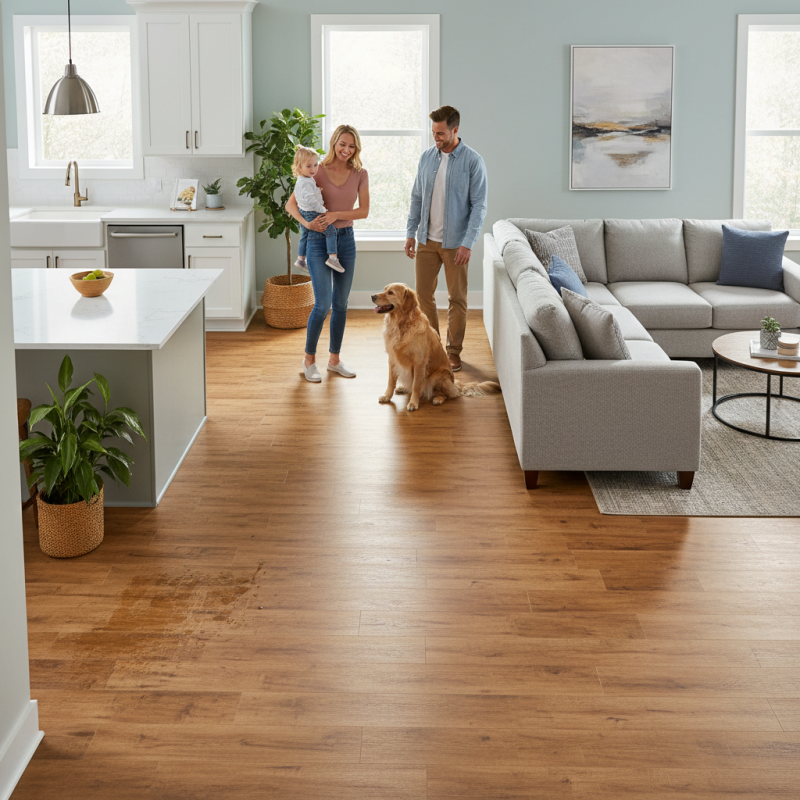
When selecting flooring for your home, safety is paramount. Slip Resistant Vinyl Flooring stands out for its practical benefits. It combines aesthetic appeal with functionality. Many homeowners overlook this crucial aspect. A beautiful floor is essential, but it must also provide grip and stability, especially in high-traffic areas.
Choosing the right type of vinyl flooring can be overwhelming. Various styles, textures, and slip resistance ratings exist. It's not just about looks; the right flooring can prevent accidents. Consider where the flooring will be used. Wet or high-traffic areas require more attention. You may prefer something that looks good but doesn't perform well.
Remember, the market is flooded with options. Not every product labeled as "slip resistant" is effective. It's crucial to research and read reviews. Experts recommend considering both aesthetics and safety equally. Your choice reflects your lifestyle and enhances your home's safety. A careful selection can lead to better outcomes, but be prepared for some trial and error along the way.
Understanding the Importance of Slip Resistant Flooring
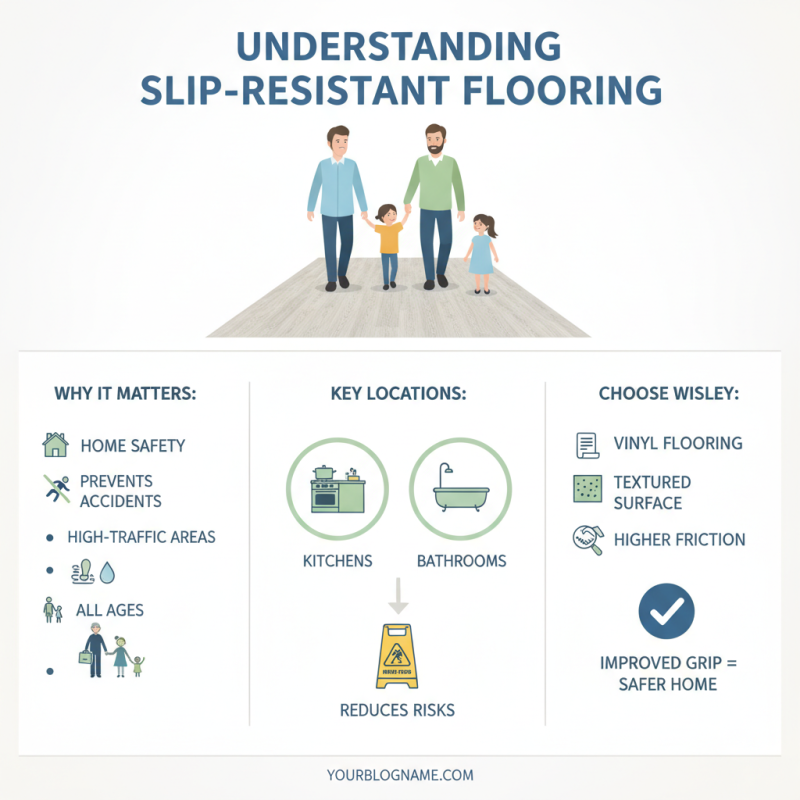
Slip-resistant flooring plays a crucial role in maintaining safety within your home. Many accidents occur due to slippery surfaces, especially in high-traffic areas like kitchens and bathrooms. Choosing the right type of vinyl flooring can significantly reduce these risks. Look for products designed with textured surfaces and higher friction properties. These features help improve grip, making them safer for all ages.
Moreover, it's essential to consider the environment in which the flooring will be used. Wet areas demand a higher slip resistance level. You may find yourself frustrated when a surface that looks beautiful becomes a hazard. Investigating product ratings and testing samples can provide valuable insights into their performance. Reading reviews from homeowners can also guide your decision, revealing both positive and negative experiences. It's critical to prioritize safety without sacrificing style in your home.
Key Features to Look for in Vinyl Flooring Options
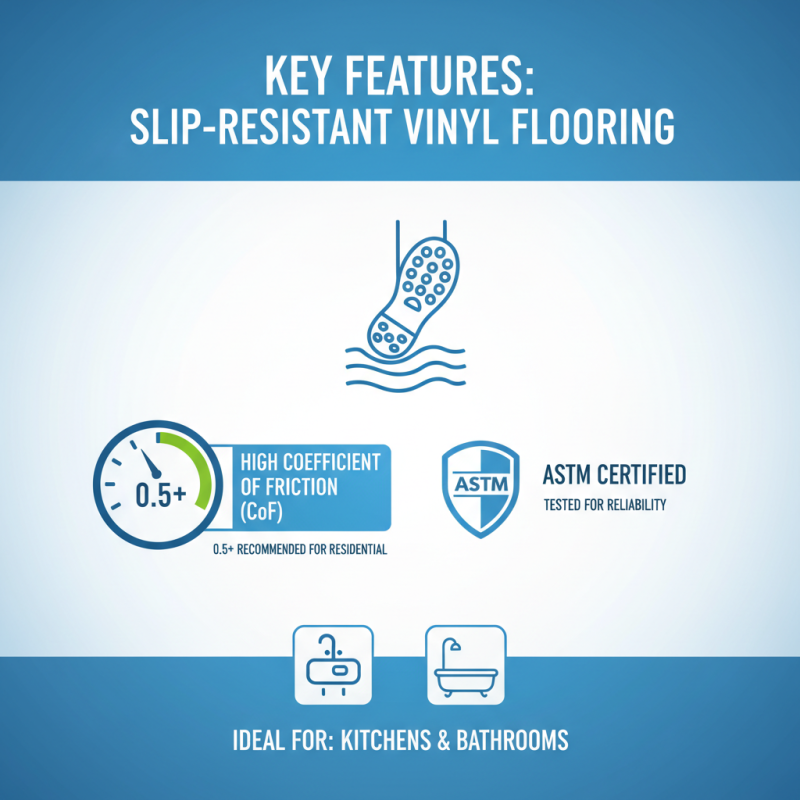
When selecting slip-resistant vinyl flooring, it's essential to consider several key features. A high coefficient of friction (CoF) is crucial for safety. Flooring with a CoF of 0.5 or higher is generally recommended for residential spaces. According to the ASTM International standards, this ensures effective slip resistance, particularly in areas prone to moisture, like kitchens and bathrooms. Look for products that have been tested and certified under these standards for reliability.
Another important feature is the texture of the flooring surface. A textured finish can enhance grip and reduce the risk of slipping. Manufacturers often provide specific information about the texture and its effectiveness. Research indicates that vinyl flooring with a raised texture can decrease slip incidents by as much as 50% compared to smoother surfaces. Furthermore, choosing a thicker vinyl material can improve durability. Thicker options tend to better withstand daily wear and tear, benefiting both safety and lifespan.
Keep an eye on maintenance requirements as well. Slip-resistant vinyl often requires special cleaning techniques to maintain its effectiveness. Over time, grime can accumulate, making the flooring less safe. A regular cleaning schedule can mitigate this issue, but many homeowners overlook this aspect. Evaluating these features critically can result in a safer living environment.
Assessing the Slip Resistance Ratings and Standards
When selecting slip-resistant vinyl flooring, understanding ratings is essential. Many manufacturers provide slip resistance ratings based on industry standards such as the Coefficient of Friction (COF). A higher COF indicates better traction. Look for products that meet or exceed the recommended COF values for residential or commercial spaces. The American National Standards Institute (ANSI) and the American Society for Testing and Materials (ASTM) provide reliable testing methods and standards to refer to.
Consider the environment where the flooring will be installed. Areas like kitchens and bathrooms require higher slip resistance due to moisture. Non-textured surfaces may seem easy to clean but can pose safety risks in wet conditions. Reflect on the potential hazards before making a choice.
Tips: Always request test results from suppliers if they are not readily available. Check for reviews and feedback from other homeowners. Personal experiences can guide you toward reliable choices. Always keep in mind, while ratings are helpful, personal testing in a relevant setting can reveal a lot. Climbing onto samples or assessing surface textures may lead to a more informed decision.
Comparing Different Types of Slip Resistant Vinyl Flooring
When selecting slip-resistant vinyl flooring, it’s essential to compare the available types. Each type has its own unique qualities. Some options feature textured surfaces that enhance grip, while others boast special coatings that increase slip resistance. Consider where you will install the flooring. Kitchens and bathrooms benefit greatly from these features due to higher moisture and spill risks.
The most common slip-resistant surfaces are those with a higher coefficient of friction. Look for vinyl with a rating of at least 0.5. This will ensure safety, especially in areas prone to wetness. Another option is vinyl planks designed with grooves or patterns that naturally reduce slips. These styles can also add visual interest to your space.
Tips: Always test a small sample in your home. Walk on it with wet feet to see how it handles. Observe how easy it is to clean. Some slip-resistant floors can trap dirt more easily. Remember, the long-term maintenance of your flooring is just as important as its initial safety features. Do your research to find a flooring type that suits both your aesthetic and functional needs.
How to Choose Slip Resistant Vinyl Flooring for Your Home? - Comparing Different Types of Slip Resistant Vinyl Flooring
| Type of Vinyl Flooring |
Slip Resistance Rating |
Durability |
Cost per Square Foot |
Ideal Location |
| Luxury Vinyl Tile (LVT) |
R10-R11 |
High |
$3.00 - $5.00 |
Kitchen, Bathroom |
| Sheet Vinyl |
R8-R10 |
Moderate |
$1.50 - $3.00 |
Laundry Room, Bathroom |
| Vinyl Plank Flooring |
R9-R11 |
High |
$2.50 - $4.50 |
Living Room, Hallway |
| Vinyl Composite Tile (VCT) |
R7-R9 |
Moderate |
$1.00 - $2.50 |
Commercial Use, Offices |
Installation and Maintenance Tips for Optimal Safety
When selecting slip-resistant vinyl flooring, installation and maintenance are crucial. Proper installation not only enhances the aesthetic appeal but also significantly impacts safety. According to industry reports, approximately 13% of slips and falls in the home occur due to inappropriate flooring choices. Choose flooring with a high coefficient of friction (COF) rating for better traction. A COF of at least 0.5 is recommended for spaces prone to moisture.
For optimal safety, ensure correct installation. Floors should be leveled and properly adhered to minimize gaps that can collect water. Regular maintenance reduces the risk of slips and falls. Sweep and mop weekly to remove dust and debris. Consider adding a non-slip coating for additional safety, especially in wet areas.
Tips: Test the flooring's grip by walking on a wet section before full installation. Be sure to address any damages immediately. Maintain a consistent cleaning schedule to avoid any slippery build-up. Reflecting on these practices can prevent accidents in your home and create a safer living environment.




 Send Email
 whatsapp
 Whatsapp