How to Choose the Best SPC Plank Flooring for Your Needs?
Choosing the right SPC plank flooring can significantly impact your space. According to industry reports, the global market for SPC flooring is projected to grow at a CAGR of 7.5% from 2022 to 2028. This indicates a robust demand driven by the rising popularity of durable and stylish flooring options. SPC plank flooring offers an ideal blend of aesthetic appeal and functional durability.
It’s essential to understand your specific needs when selecting SPC plank flooring. Factors like foot traffic, moisture exposure, and design preferences can greatly influence your choice. For example, SPC flooring is waterproof, making it suitable for areas like kitchens and bathrooms. However, some users report challenges related to installation and cost variations.
Research shows that the right SPC plank flooring can enhance property value and improve interior design. Yet, not all products in the market offer the same quality. Therefore, consumers must scrutinize product specifications and reviews. Taking the time to choose wisely can yield long-term satisfaction and investment return.
Understanding SPC Plank Flooring: Features and Benefits
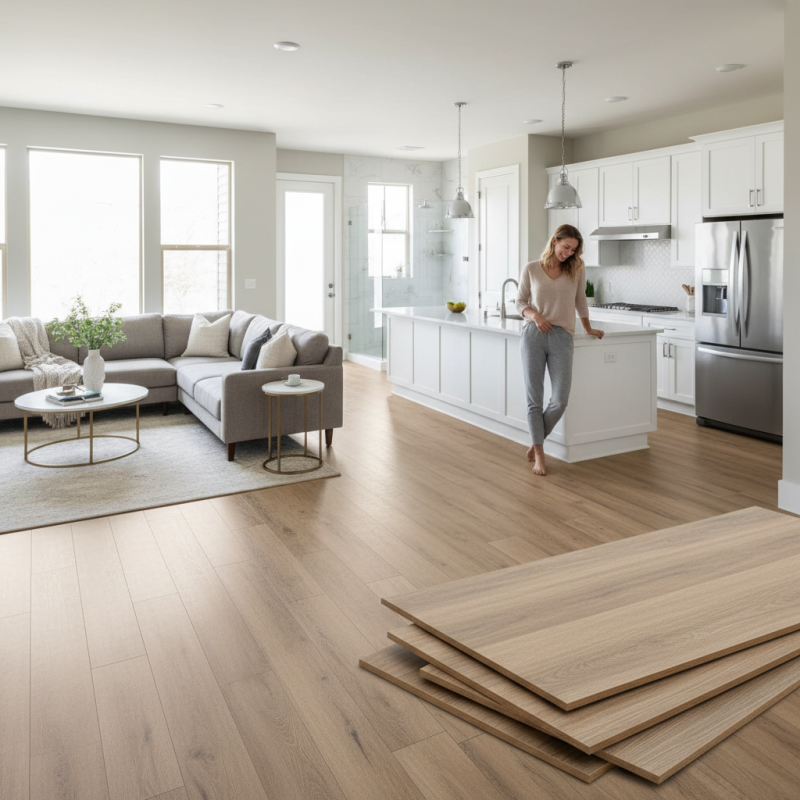
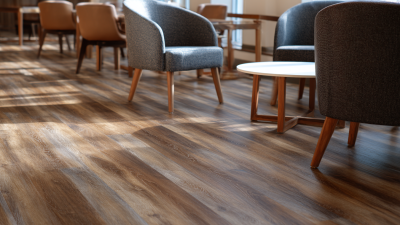
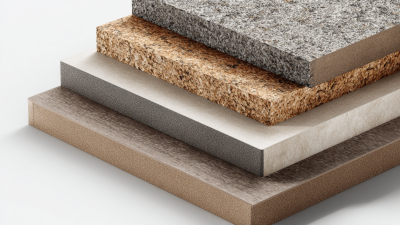
SPC plank flooring has gained popularity due to its unique features. It combines stone plastic composite with a vinyl layer, making it durable and water-resistant. This flooring type is perfect for high-traffic areas. Its ability to withstand moisture makes it suitable for kitchens and bathrooms. You won’t have to worry about warping or damage from spills.
The benefits of SPC planks extend beyond durability. They provide sound insulation, which is crucial for multi-story homes. Installation is straightforward, thanks to their click-lock design. However, not all SPC options are the same. Quality can vary greatly among different products. It’s essential to research the materials used and check for any potential off-gassing. This will ensure you select the healthiest option for your home.
While SPC flooring looks appealing, installation requires careful consideration. The subfloor must be adequately prepared. Ignoring this can lead to problems down the line. Additionally, consider the aesthetics that match your interior design. A style mismatch can detract from your living space. Assessing your needs and preferences is key to making the right choice.
Evaluating Your Space: Considerations for SPC Flooring Selection
When selecting SPC plank flooring, evaluating your space is crucial. First, assess the existing conditions. Consider the level of moisture in your home. SPC flooring is water-resistant, but understanding humidity levels helps in choosing the right product.
Think about the room size. Larger rooms may require wider planks for a balanced look. Conversely, narrow planks can make smaller spaces appear cluttered. Take lighting into account as well. Natural light can highlight the flooring’s color and texture.
Tips:
- Measure the area before purchasing. Accuracy is key.
- Choose a color that complements your decor. Don’t rush this decision.
- Think about how you use the space. High traffic areas require durable choices.
Reflect on your lifestyle. If your home is busy, select options that can withstand wear. SPC flooring offers many styles, but not all are suitable for every environment.
Explore your choices carefully.
Comparing SPC Flooring Brands: Quality and Performance Ratings
When comparing SPC (Stone Plastic Composite) flooring brands, it’s crucial to evaluate quality and performance ratings. SPC floors are known for their durability and water resistance. However, not all products meet the same standards. Many brands boast high wear ratings, but real-life performance can vary drastically.
Look for flooring options with a high thickness layer. This contributes to durability and provides better sound insulation. Some brands may offer a thicker wear layer, which can resist scratches and indentations. But thickness isn’t the only factor. Customer reviews highlight inconsistencies in installation ease and long-term performance.
Additionally, researching a brand's warranty can give insights into its reliability. A strong warranty often reflects confidence in product quality. It's important to carefully compare the specifications and user experiences, as perceptions can differ significantly. This exploration can reveal potential trade-offs between comfort and appearance versus durability. Choose wisely to ensure the flooring meets your expectations over time.
Installation Options: DIY vs. Professional Installation for SPC Planks
When considering SPC plank flooring, the choice between DIY installation and professional help plays a crucial role. According to recent studies, around 40% of homeowners prefer the DIY route. This option can save money and offer a sense of accomplishment. Installing SPC planks is generally manageable due to their click-lock design. However, it requires careful planning and preparation.
On the other hand, professional installation accounts for 60% of flooring projects. Experts bring valuable experience to the table. They can address problems often overlooked by DIY-enthusiasts. For example, subfloor issues could compromise the planks’ durability. Hiring professionals ensures that the installation meets industry standards. Additionally, warranties on the flooring may require professional installation for coverage.
In the long run, each option has merits and drawbacks. DIY installations can lead to mistakes if not approached carefully. Conversely, professional services come at a cost. Yet, they can save time and reduce stress. Making an informed decision means weighing these factors against your own skills and budget.
How to Choose the Best SPC Plank Flooring for Your Needs? - Installation Options: DIY vs. Professional Installation for SPC Planks
| Feature |
DIY Installation |
Professional Installation |
| Cost |
Lower initial outlay |
Higher due to labor costs |
| Skill Level Required |
Basic skills needed |
No skills required |
| Time Commitment |
Can take several days |
Typically completed in one day |
| Quality Assurance |
Depends on personal work quality |
Guaranteed by professionals |
| Tools Required |
DIY tools |
Professional equipment |
| Flexibility of Scheduling |
Full control over timeline |
Dependent on contractor's schedule |
| Post-Installation Support |
Limited to personal help |
Professional support available |
Budgeting for Your SPC Flooring Project: Cost Considerations and Savings
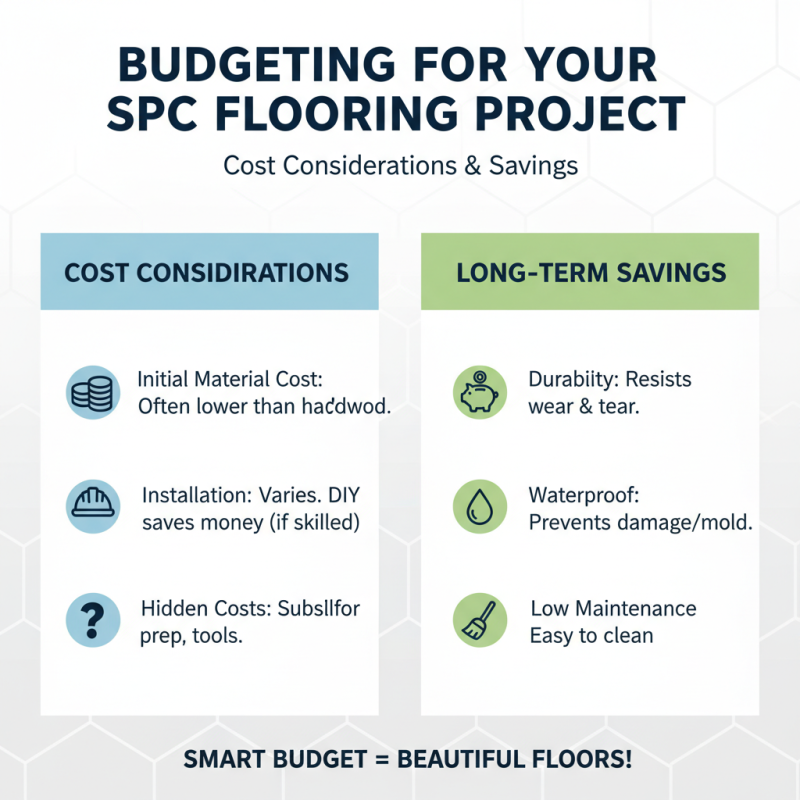
When budgeting for SPC flooring, consider the initial cost and long-term savings. SPC flooring is often more affordable than traditional hardwood options. However, hidden costs may arise. Assess installation costs, which can vary widely. Hiring professionals might increase your budget, but DIY installation could save money if you have the skills.
Tips: Measure your space accurately to avoid over-ordering. Always take your time selecting the right style. You might find better deals during seasonal sales. Look for local suppliers to minimize shipping fees.
Consider the warranty and durability of your chosen flooring. Some brands offer better longevity than others. A lower-priced option might save you money upfront but could need replacement sooner. Investing in quality can pay off in the long run.
Before making a purchase, explore all your options. Research the types of SPC available. Talk to flooring experts for advice. Don’t rush your decision just because of a promotional offer. Reflect on your needs and the overall design of your space for the best results.



 Send Email
 whatsapp
 Whatsapp