How to Choose the Best SPC Vinyl Plank for Your Home?
When it comes to enhancing the beauty and functionality of your home, choosing the right flooring is crucial. SPC vinyl plank has gained popularity for its durability and stylish appearance. According to flooring expert Sarah Jones, "Selecting the right SPC vinyl plank can transform your space while ensuring long-lasting performance."
The variety in design, texture, and quality makes the decision process daunting. Homeowners often struggle with options that fit both aesthetic desires and practical needs. It's essential to evaluate factors such as thickness, wear layer, and the overall finish of the SPC vinyl plank. Real-life experiences show that the right choice can lead to a stunning transition in any room.
However, not everything is perfect in the SPC vinyl plank market. Some products have been reported to lack the durability they promise. This reinforces the importance of researching brands and materials. By understanding what to look for, homeowners can make an informed decision, ensuring their chosen SPC vinyl plank meets expectations.
Understanding SPC Vinyl Plank: Definition and Benefits
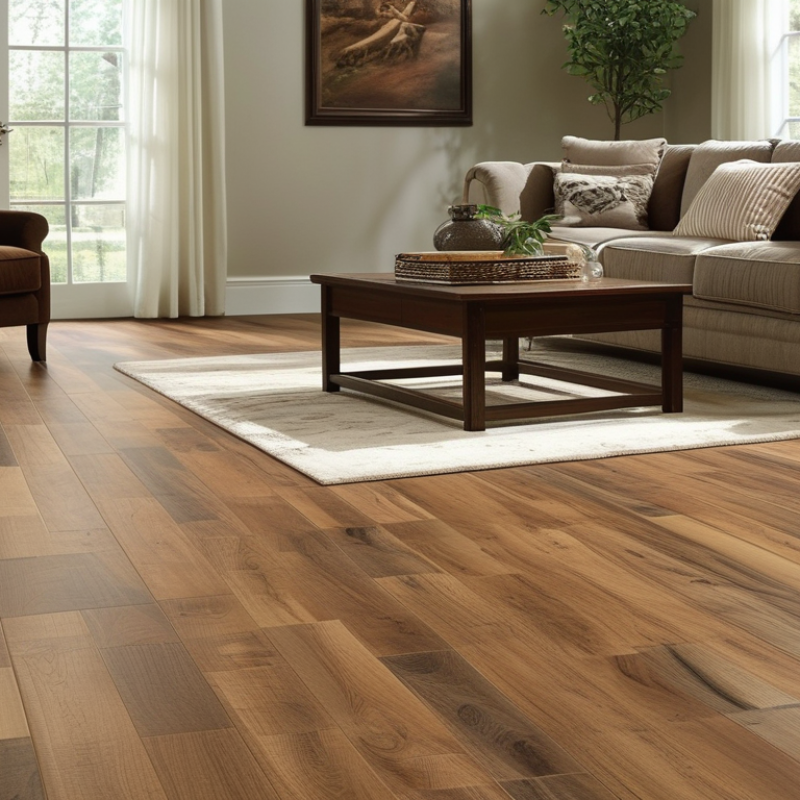
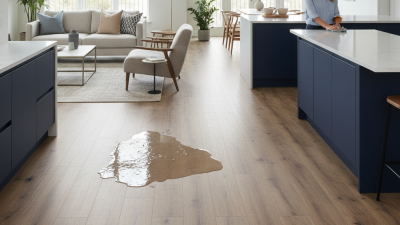
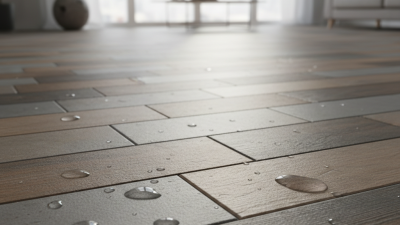
SPC vinyl plank flooring is a modern solution for homeowners seeking durability and style. SPC stands for Stone Plastic Composite. This material combines limestone and PVC to create a strong core. It is waterproof, making it ideal for areas prone to moisture, like kitchens and bathrooms.
There are several benefits to SPC vinyl planks. They are easy to install, often featuring a click-lock design. This can save you time and money on installation. Additionally, SPC floors resist scratches and dents, a great asset for homes with pets or children. Their aesthetic appeal also stands out, as they come in various styles and colors that mimic natural wood and stone.
While SPC vinyl planks offer many advantages, not all products are created equal. It’s essential to research the thickness and dimensions of the planks. Some may not perform as well under pressure or extreme conditions. Pay attention to the warranty provided, as it reflects the manufacturer’s confidence in their product. Choosing the right SPC vinyl plank requires careful consideration and knowledge of your specific needs and environment.
Assessing the Durability of SPC Vinyl Plank for Your Home
When choosing SPC vinyl plank flooring, durability should be a primary concern. SPC, or Stone Plastic Composite, is designed for high performance. It features a rigid core that resists dents and scratches. Many homeowners appreciate this enhancement, as it withstands heavy foot traffic. However, not all SPC products offer the same level of durability.
Examine the wear layer thickness. A thicker wear layer generally means better resistance to wear and tear. Look for planks with a minimum of 20 mils for optimal durability. This number indicates how much protection your floor has against damage. Additionally, check the product’s warranty. A longer warranty often reflects higher confidence in the longevity and durability of the flooring.
Consider the environment where the flooring will be installed. Areas prone to moisture, like bathrooms, need specific features. Some SPC vinyls are waterproof and can handle spills. In contrast, others may not perform well in such conditions. Weigh the risks of your home environment against the flooring type you choose. It’s essential to reflect on the long-term implications of your choice, ensuring it meets your lifestyle needs.
Evaluating Aesthetics: Design and Color Options of SPC Vinyl Plank
Choosing the right SPC vinyl plank for your home involves considering design and color options carefully. The aesthetic appeal of your flooring can significantly impact the atmosphere of your space. According to a 2023 industry report, 70% of homeowners prioritize visual appeal when selecting flooring. Popular colors like gray, beige, and natural wood tones dominate current trends, providing versatility in design.
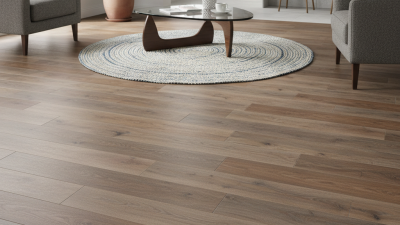
When evaluating options, consider how light interacts with color. Light colors can make a space feel larger, while darker tones add warmth and coziness. Patterns also play a crucial role. Many homeowners are opting for planks with distinct textures that mimic real wood, achieving a stylish yet functional look. Yet, striking a balance between aesthetic choices and practicality is essential.
Experiment with samples before making a decision. Bring home a few options to see how they match with your existing decor. It helps to understand the space's lighting conditions and color palette. Reflecting on these aspects may lead to better choices and avoid regrets later. Remember, a well-chosen floor not only enhances aesthetics but also provides long-term satisfaction.
How to Choose the Best SPC Vinyl Plank for Your Home? - Evaluating Aesthetics: Design and Color Options of SPC Vinyl Plank
| Design Style |
Color Options |
Finish Type |
Texture |
| Modern |
Gray, White, Black |
Matte |
Smooth |
| Rustic |
Brown, Tan, Red |
Satin |
Textured |
| Traditional |
Natural Wood tones |
Glossy |
Embossed |
| Contemporary |
Beige, Light Gray, Cool Colors |
Semi-Gloss |
Wire-Brushed |
| Industrial |
Charcoal, Steel, Raw Wood |
Matte |
Rough |
Comparing Costs: Budgeting for SPC Vinyl Plank Installation
When budgeting for SPC vinyl plank installation, consider several essential factors. The initial cost of materials can vary greatly. Explore different styles and thicknesses that might impact durability and price. Generally, thicker planks offer better sound insulation and longevity, but they also command a higher price.
Installation costs can add up quickly. Professional installers may charge per square foot, while DIY options can reduce labor costs. However, DIY projects can lead to mistakes that might require expensive fixes. It’s crucial to assess your skill level and potential hidden costs.
Tips for saving on costs include shopping during sales events or off-peak seasons. Look for remnants or overstock materials for discounts. Compare quotes from multiple installers, if you choose professional help. Always allocate extra budget for unexpected expenses. This approach ensures you won't face financial strain later.
Installation Considerations: DIY vs. Professional Help for SPC Vinyl Plank
When deciding on installation methods for SPC vinyl plank flooring, you face two main options: DIY or hiring professionals. DIY installation can be appealing for those seeking to save money. You can often find online tutorials and videos that guide you through the process. However, not everyone has the skills or tools necessary. Mistakes during installation can lead to costly issues later. For example, improper alignment can result in noticeable gaps or uneven surfaces.
On the other hand, professional installation ensures a high standard of work. Experienced installers can handle complex layouts and unique room shapes with ease. They understand the proper techniques for subfloor preparation and underlayment installation, which significantly contributes to the longevity of your flooring. Nevertheless, this comes at a higher cost. Budget constraints may make you rethink the invitation to professionals.
Ultimately, the decision requires reflecting on your confidence in DIY skills versus your budget. Consider how much time you can dedicate to the project. If you feel uncertain, it might be wise to consult with an expert. Their insights can save you from potential pitfalls. Choosing the right installation method is just as crucial as selecting the flooring itself.




 Send Email
 whatsapp
 Whatsapp
