2026 How to Choose the Best UV Panel for Your Needs?
In recent years, the importance of UV panels in various industries has grown significantly. These panels offer a range of functionalities, primarily in ultraviolet light applications. According to a market research report by Grand View Research, the global UV disinfection equipment market is expected to reach $5.3 billion by 2027. Choosing the right UV panel can profoundly impact its effectiveness.
When selecting a UV panel, it's essential to consider your specific needs. Factors such as wavelength, intensity, and operational lifespan play critical roles in performance. Industry experts often highlight the importance of understanding the intended use, whether for water treatment, surface sterilization, or air purification. However, not all panels live up to their claims. Consumers should be prepared to scrutinize product specifications and real-world performance data.
It's vital to acknowledge that while UV technology is promising, misapplication can lead to ineffective results or safety hazards. Some UV panels may not produce the claimed output. A thorough comparison of various options is necessary. Ensure that the UV panel you choose is backed by credible testing and industry certifications. This diligence can help avoid poor investments in technology that may not meet your needs.
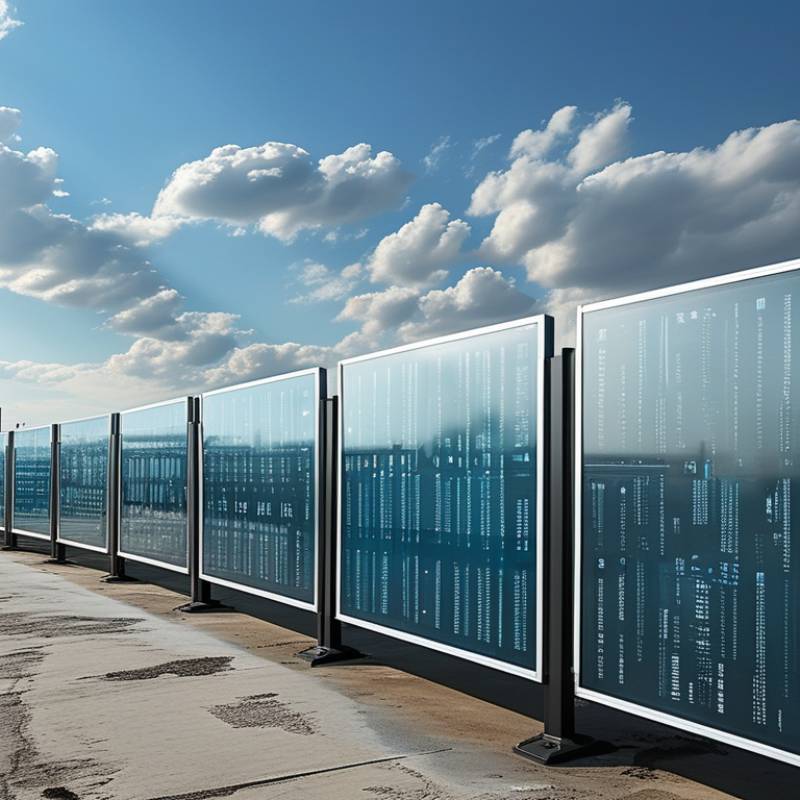
Understanding UV Panels: Types and Technologies Explained
When selecting a UV panel, understanding the different types and technologies is crucial. There are mainly two categories: UV-C and UV-A/B panels. UV-C panels excel in disinfection, effective in killing bacteria and viruses. They are often used in healthcare settings. UV-A/B panels, on the other hand, are ideal for tanning and plant growth. Their applications vary widely, so it's essential to match the right panel with your specific needs.
Different technologies are utilized within these categories. Some panels use LEDs, known for their energy efficiency and long life. Yet, they might lack the intensity required for certain applications. Traditional fluorescent tubes, while effective, may require frequent replacements. Consider the environment where the panel will be used. If it's a small closed space, a compact UV-C panel might be the best choice. Reflect on your needs and ensure the panel selected can adapt to varying conditions. Each type has its benefits and drawbacks, making informed choices vital.
Key Factors to Consider When Choosing a UV Panel
Choosing the right UV panel requires careful consideration of several key factors.
First, the intended use is paramount. Whether for commercial or residential use,
the size and capacity of the panel should match your specific needs. Data from
the Solar Energy Industries Association (SEIA) suggests that proper sizing can
maximize energy efficiency by up to 30%. Oversized panels may lead to inefficiencies
and increased costs.
Another crucial element is wavelength output. Different applications require different
UV wavelengths. For instance, UV-C is effective for disinfection, while UV-B may be
needed for plant growth. Research from the American Journal of Botany indicates that
specific wavelengths promote better photosynthesis in plants. Thus, identifying what you
want to achieve can guide your selection.
Cost and longevity are also important factors. More expensive panels often offer better
durability and efficiency. However, cheaper options might be tempting but can lead to
higher replacement costs. A study by the National Renewable Energy Laboratory reveals
that investing in quality UV panels can reduce long-term operating costs by as much as
20%. It's essential to weigh these aspects carefully. Making impulsive decisions may bring
unforeseen complications down the road.
Assessing Your Specific Needs for UV Panel Applications
When selecting the best UV panel for your needs, it's crucial to assess your specific requirements. Consider the intended application first. Are you using it for skincare, water purification, or surface sterilization? Each application may require different specifications. Understanding the purpose will guide you in choosing the right intensity and wavelength.
Next, think about your environment. Indoor use may differ significantly from outdoor applications. Outdoor panels should withstand weather and UV degradation. On the other hand, indoor panels need to be safe for use in enclosed spaces. Assessing your environment ensures that your UV panel performs optimally.
Don't underestimate the importance of evaluating safety features. Look for panels with built-in timers or automatic shut-off systems. These features increase reliability. Reflect on your long-term goals as well. Will your needs change? Learning from your past experiences can greatly influence your decision and help you adapt to future developments.
2026 How to Choose the Best UV Panel for Your Needs?
| Application |
UV Wavelength (nm) |
Power Output (W) |
Panel Type |
Life Span (Hours) |
Weight (kg) |
| Water Purification |
254 |
50 |
Low-Pressure |
9000 |
5 |
| Surface Disinfection |
265 |
100 |
Mercury Vapor |
8000 |
7 |
| Aquarium Treatment |
365 |
30 |
Quartz |
10000 |
4 |
| Medical Sterilization |
280 |
120 |
LED |
15000 |
3 |
| Indoor Air Purification |
254 |
40 |
UV-C |
12000 |
6 |
Evaluating Performance Metrics: What to Look For
When choosing a UV panel, performance metrics are vital. Look closely at the UV output. This measurement indicates how effectively the panel generates UV light. It varies from model to model, so thorough comparisons are essential.
Consider the energy efficiency too. An efficient panel can save you significant costs over time. Analyze power consumption figures. A high-quality unit provides better output without excessive energy use.
Time of exposure is another critical factor. Some panels require longer use. Others deliver results more quickly. This aspect might suit different needs, depending on your schedule. Reflect on this during your selection process. Ultimately, the right UV panel combines effective output, energy efficiency, and suitable exposure time.
Budget Considerations and Cost-Effectiveness of UV Panels
When selecting a UV panel, budget considerations are crucial. The cost-efficiency of UV panels varies widely. A report from the International Energy Agency (IEA) indicates that investment in UV systems can result in 10-30% lower operational costs compared to conventional methods. This reflects significant savings over time, especially in larger applications.
However, the initial investment can be a barrier. Prices for UV panels can range from $100 to over $1,000. It's important to assess your specific needs. A lower-cost model may suffice for smaller operations, while larger facilities might need high-end units for efficiency. Often, cheaper options may lack durability or feature essential functionalities. Such trade-offs could lead to higher replacement costs.
Research has shown that durability is vital. Opting for panels with longer lifespans can pay off in the long run. A study by the UV Association states that systems with adequate warranties tend to perform better over time. Therefore, understanding both the upfront costs and potential long-term savings is essential when making a decision. Budgeting is not just about immediate expenses; it encompasses the overall lifecycle financially and environmentally.







 Send Email
 whatsapp
 Whatsapp
