Why Choose Four Layer SPC Structure for Your Flooring Needs?
When it comes to flooring, the choice of material can significantly affect the comfort and aesthetics of your space. Leading expert in flooring technology, Dr. Sarah Bennett, once remarked, "The Four - Layer SPC Structure offers unmatched durability and design flexibility." This statement holds true for homeowners and builders alike seeking sustainable and stylish flooring solutions.
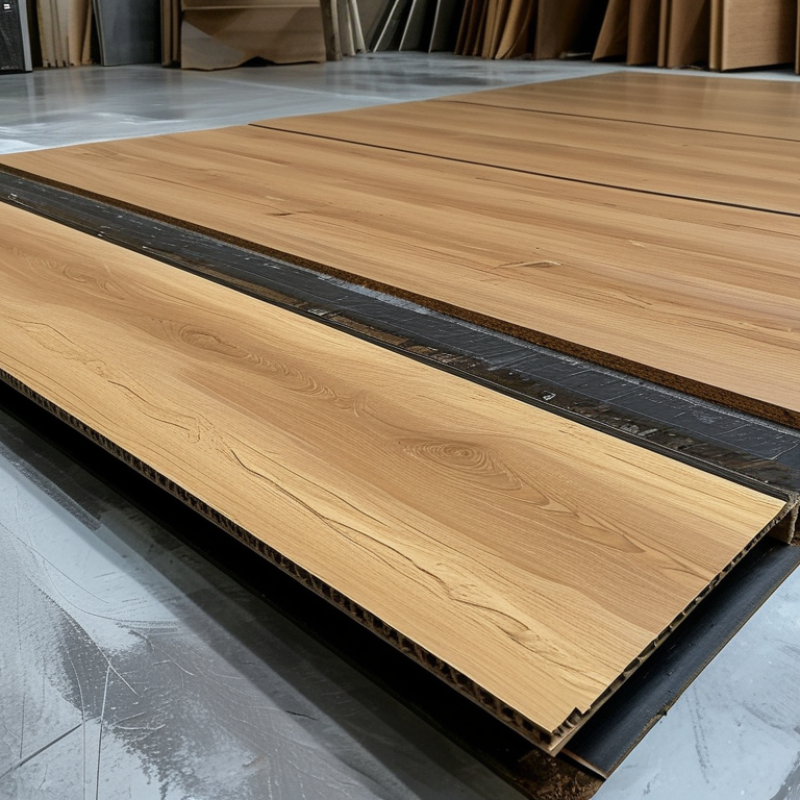
The Four - Layer SPC Structure is designed with precision, featuring a protective top layer that resists scratches and stains. Beneath that is a beautiful design layer, often mimicking natural materials. The core, made from stone-plastic composite, ensures stability and strength. Finally, the underlayment layer provides sound absorption and cushioning. These layers work harmoniously to create a flooring solution that is both attractive and functional.
While the advantages are clear, it's important to reflect on individual needs. Not every environment may benefit equally from this structure. For instance, areas with excessive moisture might require additional considerations. Understanding these nuances is essential, as choosing the right flooring involves balancing aesthetics, functionality, and personal preferences for long-term satisfaction.
Benefits of Four Layer SPC Structure for Durability and Longevity
The four-layer SPC (stone plastic composite) structure has become a popular choice for flooring due to its impressive durability and longevity. According to a report by the Resilient Floor Covering Institute, SPC products can resist impacts and heavy foot traffic far better than traditional flooring options, offering a lifespan of up to 30 years or more with proper maintenance. This durability is essential for both residential and commercial spaces.
Each layer in the four-layer SPC design plays a crucial role. The top wear layer provides protection against scratches and stains. The middle layers contribute to stability, ensuring the structure withstands extreme temperature changes. The bottom layer, often made of an EVA foam, enhances comfort and sound absorption. Data from the National Wood Flooring Association indicates that sound reduction is a key factor for many consumers, with SPC flooring achieving noise reduction ratings comparable to hardwood.
However, it’s worth noting that some may overlook the importance of professional installation. Incorrect installation can hinder the benefits of SPC flooring, leading to issues like warping or gaps. Additionally, while SPC is resilient, it's not indestructible; improper care can affect its performance. Recognizing these factors is vital for anyone considering SPC as a long-term flooring solution. Choosing a four-layer SPC structure is an informed decision but requires careful planning and consideration.
Comparative Analysis: Four Layer SPC vs. Traditional Flooring Options
When considering flooring options, the four-layer SPC structure stands out. Compared to traditional hardwood or laminate, SPC offers enhanced durability and stability. Homeowners appreciate features like water resistance and sound insulation. These layers work together, creating a product that can withstand heavy foot traffic. People want flooring that lasts – SPC delivers.
Traditional flooring often requires more maintenance. Hardwood can warp or fade over time, requiring refinishing. Laminate, while initially cheaper, can scratch easily. SPC, on the other hand, resists these issues. Its rigid core adds strength, making it less prone to denting. This makes SPC an attractive choice for families and pet owners.
However, choosing SPC isn’t without challenges. Some consumers worry about the environmental impact of vinyl products. Understanding the manufacturing processes is essential. Additionally, installation can be tricky without proper guidance. Homeowners should consider professional help for the best results. By weighing these factors, one can make an informed decision.
Cost-Effectiveness of Four Layer SPC Flooring Over Time
Four layer SPC (Stone Plastic Composite) flooring offers long-term cost-effectiveness that attracts both homeowners and builders. Industry reports indicate that SPC flooring can last between 20 to 30 years with proper maintenance. This longevity translates to reduced replacement costs over time, making it a smart investment. Additionally, the initial installation costs may be higher than traditional options, but the durability compensates for it.
In a recent comparative analysis, SPC flooring showed lower life-cycle costs than many laminate floors. It also demonstrates resilience against water and wear, which minimizes the need for repairs. The ability to withstand high foot traffic without significant deterioration makes it appealing for commercial settings. Data suggests that over a decade, homeowners could save up to 30% on maintenance expenses when opting for four layer SPC flooring versus other materials.
Despite these advantages, there are some concerns. Not every SPC product is created equal, leading to variations in quality and performance. Consumers should be mindful of these inconsistencies. Poorly manufactured products can fail prematurely and lead to dissatisfaction. Moreover, some homeowners may find the aesthetic choices limited compared to hardwood or tile. Thus, while four layer SPC flooring is a compelling option, thorough research on specific products is essential for informed decision-making.
Impact of Four Layer SPC on Indoor Air Quality and Health
The four-layer SPC (Stone Plastic Composite) flooring structure significantly impacts indoor air quality and health. Its top layer is often designed to resist moisture, dust, and allergens. Research from the National Institute of Health shows that poor air quality can lead to respiratory issues. Choosing SPC flooring can help mitigate these risks.
The core layer of SPC is made from a blend of limestone and PVC. This combination ensures minimal off-gassing compared to other materials. A study published in the Environmental Science & Technology journal indicated that lower emissions are linked to enhanced indoor air quality. SPC does not contain harmful chemicals like formaldehyde, which is common in traditional flooring materials.
Despite these benefits, not all SPC products are created equal. Some may still emit volatile organic compounds (VOCs), even if at lower levels. It's essential to check certifications before installation. While SPC flooring presents clear advantages, consumers must remain vigilant about quality. Keeping informed helps ensure you choose a safe, healthy flooring option for your home.
Impact of Four Layer SPC on Indoor Air Quality and Health
Installation and Maintenance Advantages of Four Layer SPC Flooring
Four layer SPC (Stone Plastic Composite) flooring is becoming increasingly popular for both residential and commercial spaces. One of its main advantages lies in its installation and maintenance. The four-layer structure includes a solid core, providing durability and stability. This makes it an ideal choice for high-traffic areas. The installation process is straightforward, often allowing for a click-lock mechanism that eliminates the need for glue or nails. Many users find this simplicity appealing, especially for DIY projects.
Maintenance of four layer SPC flooring is another significant benefit. The top layer is usually scratch-resistant and waterproof, making spills easy to clean. A damp mop or a microfiber cloth is often sufficient to keep it looking new. While some may worry about wear over time, the durability of this flooring mitigates those concerns. However, users should be careful with heavy furnishings and take care to avoid dragging them across the floor.
Despite its many benefits, regular inspections are necessary. Small scratches or imperfections can occur, and addressing these early can prevent more extensive damage later. This proactive approach ensures longevity, though it may require time and attention. Nonetheless, the overall user experience reveals that four layer SPC flooring is generally forgiving and practical for modern living.


 Send Email
 whatsapp
 Whatsapp
