2026 How to Choose the Best Stone Plastic Composite Flooring?
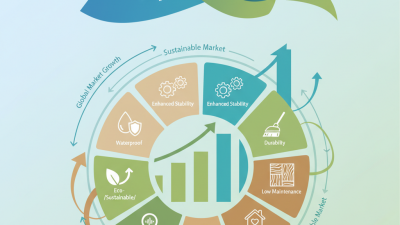
Choosing the right flooring is a crucial decision for homeowners and designers. Stone Plastic Composite Flooring (SPC) is increasingly popular due to its durability and aesthetic appeal. According to a recent report by the Flooring Manufacturers Association, the SPC market is projected to grow by 25% annually through 2026. This growth reflects its rising demand in both residential and commercial spaces.
Expert opinions emphasize the significance of selecting quality SPC products. Dr. Ellen Parker, a leading flooring industry specialist, states, “Investing in the right Stone Plastic Composite Flooring can significantly impact long-term satisfaction and maintenance.” Her insights remind us of the importance of making informed choices. While SPC flooring offers benefits, not all products are created equal.
Some consumers report issues with specific low-quality brands. Understanding the differences between products is essential to avoid potential regrets. Investing time in research can yield better results. Selecting Stone Plastic Composite Flooring requires careful consideration and attention to detail. Ensuring a wise choice will lead to greater satisfaction in the long run.
What is Stone Plastic Composite Flooring and Its Benefits?
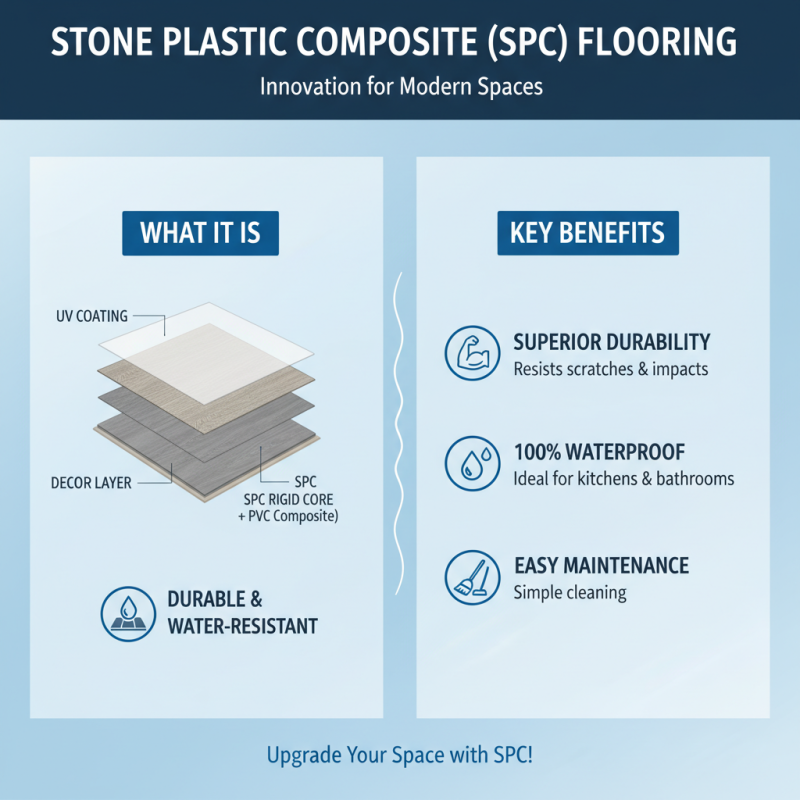
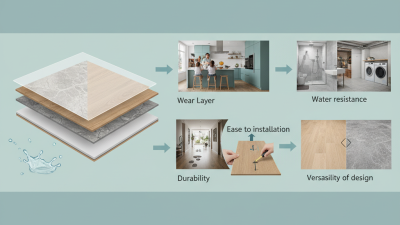
Stone Plastic Composite (SPC) flooring is an innovative flooring solution. It combines limestone and PVC materials to create a durable, water-resistant product. According to industry reports, SPC flooring can outperform traditional options in terms of durability and ease of maintenance. This makes it an appealing choice for both residential and commercial spaces.
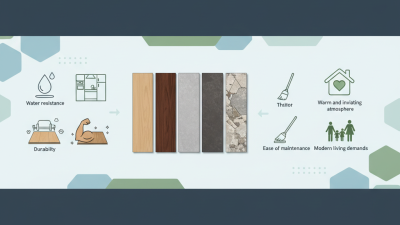
The main benefits of SPC flooring include its resistance to moisture and scratches. This is particularly beneficial in high-traffic areas. A study indicates that SPC can last over 20 years with proper care. Additionally, its sound insulation properties help minimize noise. This makes it ideal for apartment buildings and offices. Moreover, SPC flooring is often more affordable than hardwood.
Here are some tips for choosing SPC flooring. Look for products with high-density ratings. This often indicates better durability. Consider the thickness of the wear layer, which can affect longevity. Also, check for certifications related to indoor air quality. Finally, while SPC is a sturdy option, it’s crucial to ensure proper installation to avoid potential issues in the future.
Key Factors to Consider When Choosing Stone Plastic Composite Flooring
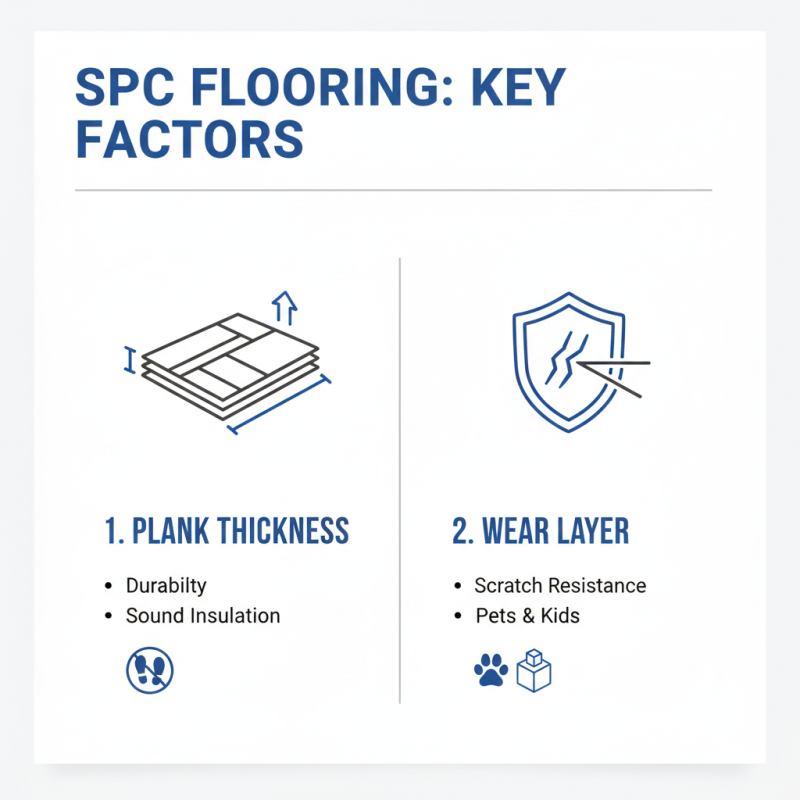
When selecting stone plastic composite (SPC) flooring, several key factors deserve careful consideration. Start by evaluating the thickness of the planks. Thicker options often provide better durability and sound insulation, making them ideal for high-traffic areas. Consider the wear layer as well. A thicker wear layer enhances scratch resistance, especially in homes with pets or children.
The visual aspect also plays a crucial role. Look for realistic textures and colors that align with your interior design vision. Some designs may be appealing but can feel dated quickly. Choose a style that withstands trends. Additionally, consider the installation method. Some SPC flooring can be easily installed as a click-lock system, while others may require adhesive. Assess your DIY skills; it can save costs if you opt for simpler installation.
Lastly, don't overlook the importance of warranty and environmental impact. A longer warranty often signifies confidence from the manufacturer. Investigate certifications for low VOC emissions to ensure healthier indoor air quality. Reflect on these factors to ensure your choice aligns with your lifestyle needs and values, and don't rush the decision-making process; investing time now can prevent future regrets.
Different Styles and Designs of Stone Plastic Composite Flooring
When choosing stone plastic composite flooring, consider the wide range of styles available. From textured finishes to sleek, glossy surfaces, each option brings a unique look. The design possibilities are nearly endless. Some styles mimic natural stone or wood, offering a sophisticated aesthetic without the maintenance. Others come in bold colors or patterns, making a statement in any room.
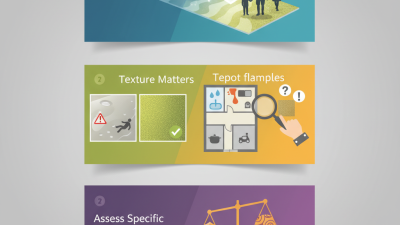
Textures also play a significant role in selecting the right flooring. For example, a rougher texture might add character and improve slip resistance. Meanwhile, smoother versions can create a clean, modern feel. It’s essential to think about the overall decor and purpose of the space. Will the flooring endure heavy foot traffic? In that case, durability should be prioritized alongside style.
However, it’s worth noting that some designs may not suit every environment. A vibrant, intricate pattern could overwhelm a small area. Additionally, glossy finishes might show scratches more easily. Reflecting on how each style aligns with your needs will help in making the right decision. Prioritize both function and aesthetics to enhance your living space effectively.
2026 How to Choose the Best Stone Plastic Composite Flooring? - Different Styles and Designs of Stone Plastic Composite Flooring
| Style/Design |
Texture |
Color Options |
Thickness (mm) |
Water Resistance |
Ease of Installation |
| Marble Look |
Smooth |
White, Grey, Black |
5mm |
Yes |
Click Lock |
| Wood Look |
Textured |
Brown, Beige, Grey |
4mm |
Yes |
Glue Down |
| Stone Look |
Granite Effect |
Dark Grey, Beige |
6mm |
Yes |
Click Lock |
| Textured Tile |
Rough |
Terracotta, Grey |
4mm |
Yes |
Glue Down |
Installation and Maintenance Tips for Stone Plastic Composite Flooring
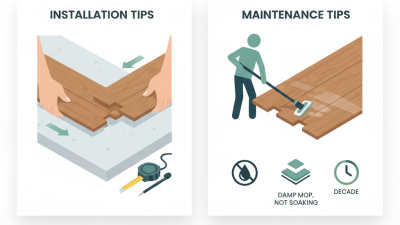
When it comes to installing stone plastic composite (SPC) flooring, understanding the process can significantly impact durability and appearance. The National Wood Flooring Association states that proper subfloor preparation is crucial. Ensure the surface is clean, dry, and level. This minimizes issues like warping and uneven wear down the line. Moisture barriers may also be necessary, especially in basements.
Maintenance for SPC flooring is straightforward, yet some homeowners overlook key practices. Regular sweeping or vacuuming helps remove dirt and grit. These particles can scratch the surface if not cleaned regularly. It’s advisable to use a damp mop with a mild cleaner for deeper cleaning. According to industry reports, improper care can lead to a decrease in lifespan by up to 30%.
It's important to be mindful of potential heavy impacts. While SPC flooring is resilient, heavy furniture can cause dents. Using felt pads beneath furniture legs is recommended for protection. Moreover, be aware that not all SPC products are created equal; some may fade quicker than others under direct sunlight. Reflecting on these factors can guide better decisions in the long run.
Comparing Costs: Stone Plastic Composite vs. Other Flooring Options
When considering flooring options, costs play a significant role. Stone Plastic Composite (SPC) flooring offers a competitive price compared to traditional materials. In many cases, it's more affordable than hardwood or natural stone. This makes it appealing for budget-conscious homeowners. The installation costs can also be lower with SPC due to its easy click-lock system. Less labor may be required, saving you money.
However, it’s important to evaluate the overall value. SPC is known for its durability and resistance to moisture. These properties can lead to longer lifespans than some other flooring types. Yet, not all SPC products are created equal. Some may lack the necessary quality, leading to issues down the line. Researching different options and understanding the specifics of each can save you from unwanted surprises later.
Comparing SPC with options like laminate or vinyl may show benefits. While laminate might initially be cheaper, it often doesn’t provide the same durability and aesthetic appeal. Competitively priced, SPC offers both visual charm and resilience. In contrast, cheaper vinyl may wear out quicker. Investing in quality materials like SPC can ultimately save you money over time. Reflecting on both short-term budgets and long-term needs is essential for a wise decision.


 Send Email
 whatsapp
 Whatsapp