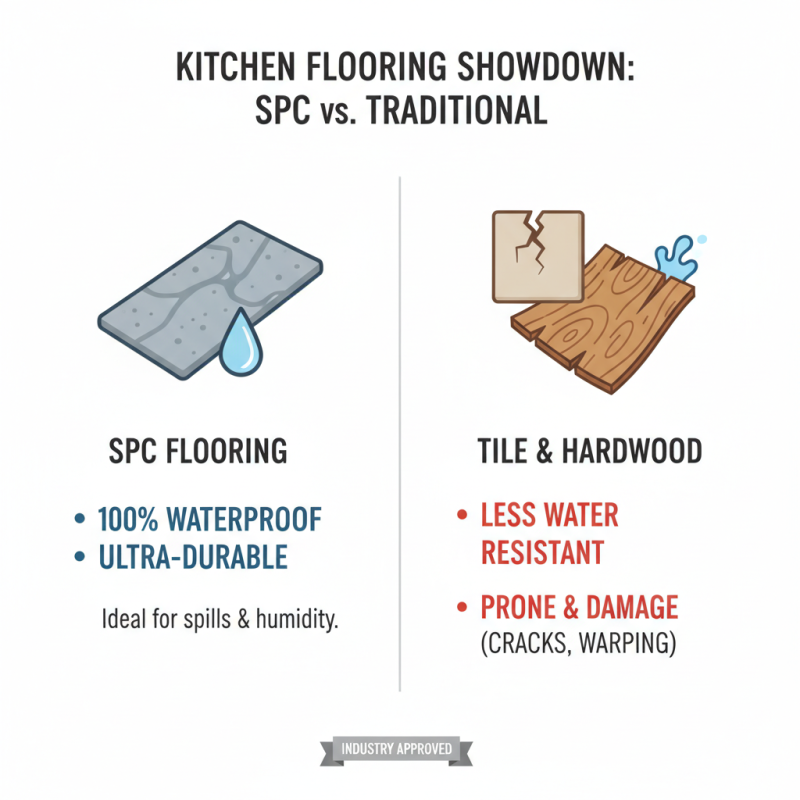
What is Kitchen SPC Flooring Benefits and Features Explained
Kitchen SPC flooring has gained significant popularity in modern homes. This flooring option is appealing for its durability and stylish appearance. According to a report by Market Research Future, the global demand for SPC flooring is projected to grow by over 7% annually. This growth highlights the trust homeowners place in kitchen SPC flooring.
One of the standout features of kitchen SPC flooring is its moisture resistance. Kitchens are prone to spills and humidity. Therefore, a flooring material that withstands these conditions is necessary. SPC flooring combines stone and polymer to create a robust product. It’s a practical choice for high-traffic areas where durability matters.
Despite its advantages, some may find the installation process challenging. DIY enthusiasts should be aware of potential complications during the installation stage. Professional advice can enhance the outcome, ensuring longevity and performance. Kitchen SPC flooring offers a stylish and functional solution for any kitchen, combining beauty and practicality effectively.
What is Kitchen SPC Flooring?
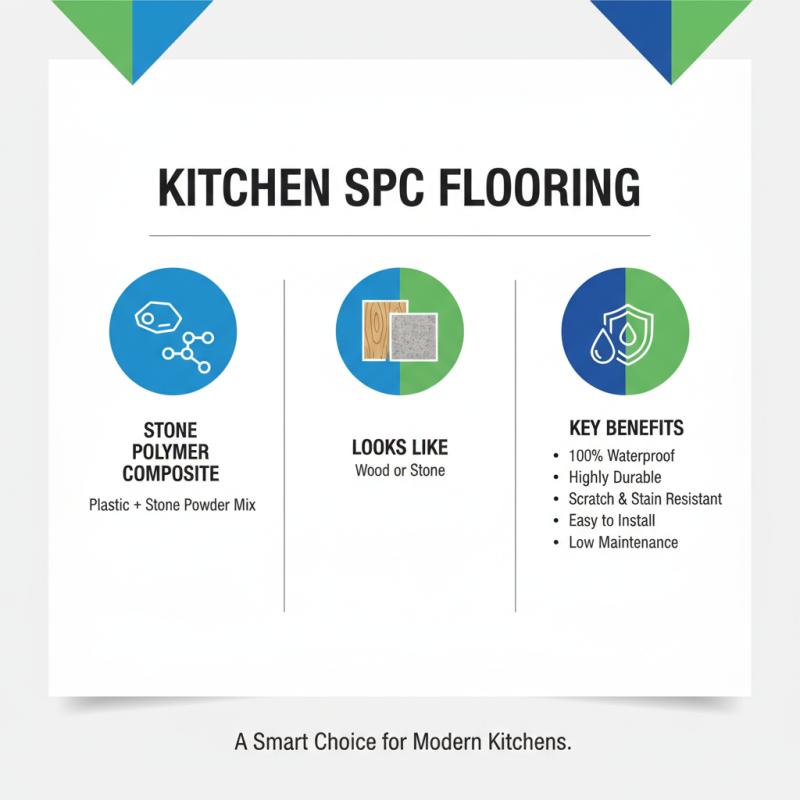
Kitchen SPC flooring stands out as a popular choice for many homeowners. SPC stands for Stone Polymer Composite, a mix of plastic and stone powder. This innovative material is designed to mimic the beauty of natural wood or stone while offering unique benefits.
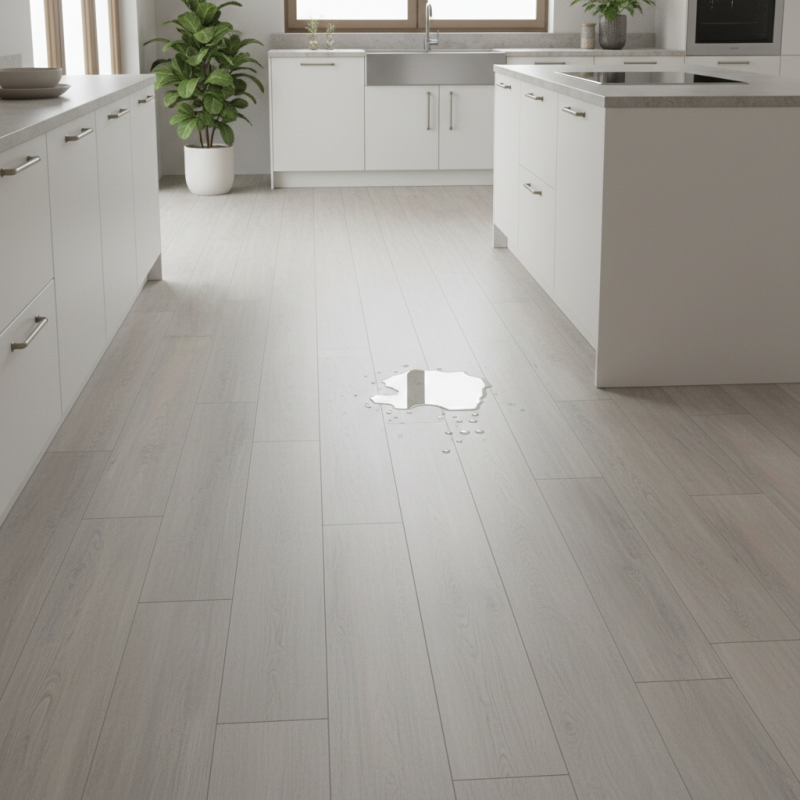
One prominent feature of SPC flooring is its water resistance. This quality makes it ideal for kitchens where spills are common. Unlike traditional wood, SPC does not warp or swell when exposed to water. This durability is essential for maintaining a beautiful kitchen over time.
Tip: Always clean spills promptly to maintain the flooring's longevity. Use a soft cloth and a gentle cleaner to avoid damaging the surface.
Another benefit is its easy installation process. SPC flooring usually comes in a click-lock format, allowing for a straightforward DIY approach. However, precision is vital. Misaligned planks can lead to gaps that collect dirt. Such gaps may compromise the overall appearance and cleanliness.
Tip: Measure your kitchen carefully before purchasing. Accurate measurements can save time and reduce waste.
SPC flooring also provides excellent insulation against sound. This feature helps create a quieter environment, making meal prep and dining more enjoyable. However, some textures may show scratches more easily, so be mindful of how you handle kitchen tools.
Key Features of Kitchen SPC Flooring
When considering flooring for a kitchen, SPC (Stone Plastic Composite) flooring stands out for its unique advantages. It is waterproof and resistant to stains, making it ideal for such a high-moisture area. According to a report by the Resilient Floor Covering Institute, 70% of homeowners choose waterproof flooring specifically to combat spill-related concerns. The durability of SPC flooring is another critical feature. It can withstand heavy foot traffic and is less prone to scratches compared to traditional materials. This makes it a practical choice for busy kitchens.
SPC flooring also offers excellent sound insulation. This is particularly beneficial in open-concept homes where kitchen noises can travel. Research indicates that SPC flooring can reduce sound transmission by up to 30%. Additionally, its design versatility means it can mimic natural materials like wood or stone without the maintenance worries. However, while its benefits are significant, some users report that installation can be tricky. It requires a level subfloor and proper alignment to avoid gaps. With careful planning, these challenges can be managed effectively.
Advantages of Using SPC Flooring in Kitchens
SPC flooring is gaining popularity in kitchen design due to its unique advantages. One of the key benefits is its water resistance. According to a 2023 industry report, over 70% of homeowners prefer flooring that withstands spills and moisture. This makes SPC perfect for kitchens, where accidents often happen. The rigid core provides stability, preventing warping and damage, even in humid conditions.
Another significant advantage is durability. SPC flooring typically lasts over 20 years. Many homeowners appreciate its resilience against scratches and dents. In fact, studies show SPC flooring can resist impacts better than traditional vinyl options. This is crucial in a busy kitchen environment where heavy appliances are frequently moved.
**Tip:** To maintain SPC flooring, regularly sweep or vacuum to prevent abrasive dirt buildup. Avoid using steam mops, as excessive moisture can affect the flooring.
Additionally, SPC is eco-friendly, composed of natural limestone and recycled plastics. However, not all SPC products are created equally. Some may lack certifications for low VOC emissions. Always check for quality and safety ratings before purchasing. Understanding these nuances ensures you make an informed choice for your kitchen.
Maintenance Tips for Kitchen SPC Flooring
Proper maintenance of SPC flooring in the kitchen is crucial for its longevity and aesthetics. SPC stands for Stone Plastic Composite, a popular choice due to its durability and water resistance. Regular cleaning is essential. Using a damp mop with mild detergent can help remove dirt without damaging the surface. According to industry data, over 70% of kitchen damages stem from improper cleaning techniques.
Spills should be addressed immediately. While SPC is water-resistant, prolonged exposure can lead to stains or warping. A simple cloth can often suffice for quick clean-ups. Furthermore, minimizing the use of abrasive cleaners is essential. These can scratch the surface and dull the finish. Research indicates that using the wrong cleaner can shorten flooring life by up to 30%.
Routine inspections can identify wear early. Check for scratches or dents. Addressing these issues promptly can prevent costly repairs later. Even the best SPC flooring may need occasional refinishing to maintain its shine. Ensuring that furniture is not dragged across the floor is another practical tip. This can prevent unnecessary damage and prolong the life of your flooring.
Comparing SPC Flooring with Other Kitchen Flooring Options
When considering kitchen flooring options, SPC (Stone Plastic Composite) flooring stands out due to its unique features. Compared to traditional materials like tile and hardwood, SPC offers superior water resistance and durability. According to industry reports, SPC flooring is 100% waterproof, making it an ideal choice for kitchens prone to spills and humidity.
SPC's density provides improved stability. In fact, SPC can handle heavy foot traffic without warping or cracking, something laminate or vinyl may struggle with. Studies show that SPC can last up to 30 years with proper care, which appeals to homeowners looking for long-term solutions. However, some may find the initial cost higher compared to traditional options.
Tip: Before installation, ensure your subfloor is properly leveled. Uneven surfaces can result in complications down the line. While selecting SPC, assess the thickness and wear layer to ensure longevity. Not all SPC products are created equal; some might not offer the same level of durability, which can be frustrating in the long run.





 Send Email
 whatsapp
 Whatsapp