What is Non Slip Waterproof Flooring and How Does it Benefit Your Space?
Non Slip Waterproof Flooring is a modern solution for various spaces. It combines safety and durability, making it ideal for both residential and commercial areas. Whether it’s a busy kitchen, a bathroom, or an entryway, using this type of flooring can enhance your environment significantly.
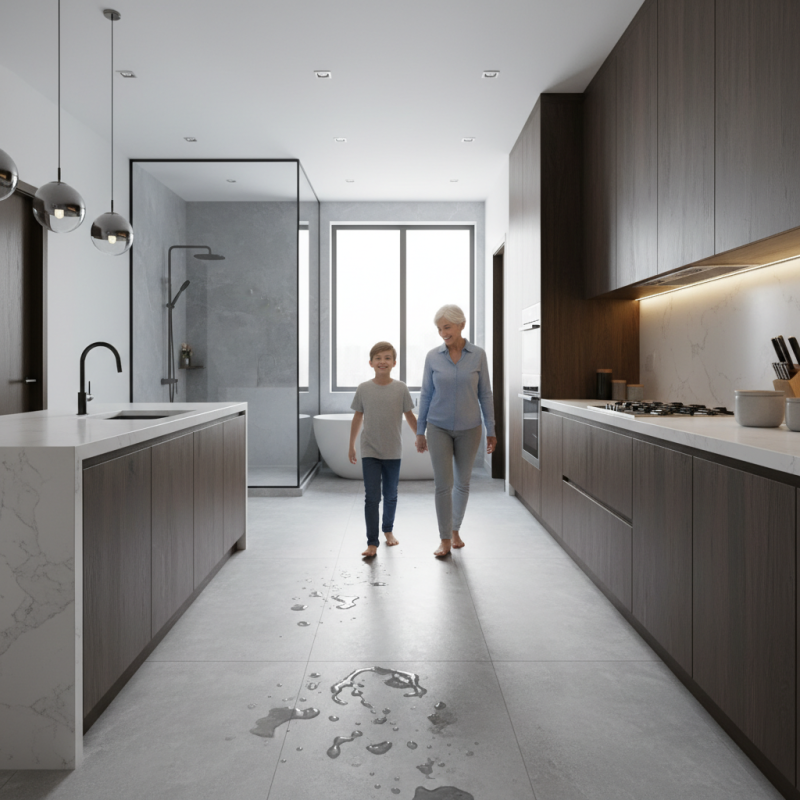
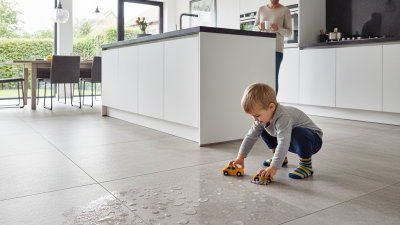
This flooring type is designed to resist water damage while providing a slip-resistant surface. This characteristic is essential for preventing accidents, especially in wet conditions. Imagine a home with children or elderly family members; the advantages become even clearer. Non Slip Waterproof Flooring not only protects the individuals but also reduces liability issues.
Choosing Non Slip Waterproof Flooring reflects a commitment to quality and safety. However, it’s crucial to consider the installation process and maintenance. The wrong installation could negate the benefits. Regular upkeep is necessary to ensure long-lasting performance. In this ever-evolving market, making an informed choice is vital.
Understanding Non Slip Waterproof Flooring: Definition and Features
Non slip waterproof flooring is designed to keep spaces safe and dry. This type of flooring combines durability with safety features to create environments that are both functional and attractive. Recent industry reports indicate that more than 40% of all slip-and-fall accidents occur in wet conditions. Thus, using non slip flooring can significantly reduce the risk in areas prone to moisture.
The features of non slip waterproof flooring include textured surfaces that provide grip. Many products achieve this through specialized coatings or by using materials that naturally resist slippage. According to a study by the National Floor Safety Institute, flooring with proper slip resistance can decrease serious injuries by 72%. This highlights the importance of choosing the right flooring for homeowners and businesses alike.
However, not all non slip waterproof options are created equal. Some may wear down over time, losing their effectiveness. Factors such as foot traffic, cleaning methods, and environmental conditions can affect lifespan. It's essential to regularly assess flooring performance to ensure safety standards are maintained. Regular maintenance and periodic evaluations of the flooring's condition can help prolong safety and functionality in any space.
What is Non Slip Waterproof Flooring and How Does it Benefit Your Space?
| Feature |
Description |
Benefits |
| Material Composition |
Often made of vinyl, rubber, or composite materials designed for durability. |
Highly durable and long-lasting in high-traffic areas. |
| Water Resistance |
Resists water penetration, making it suitable for moisture-prone areas. |
Protects subfloors and decreases the risk of mold and mildew. |
| Slip Resistance |
Designed with textures or treatments that enhance grip. |
Increases safety, reducing the risk of slips and falls. |
| Maintenance |
Easy to clean with basic mopping and occasional deep cleaning. |
Saves time and effort in upkeep, maintaining a fresh appearance. |
| Aesthetic Options |
Available in a variety of colors, patterns, and designs. |
Enhances space with customizable design to fit any decor. |
| Installation |
Can be installed over existing floors or new foundations. |
Versatile installation options help in renovations or new constructions. |
Key Materials Used in Non Slip Waterproof Flooring
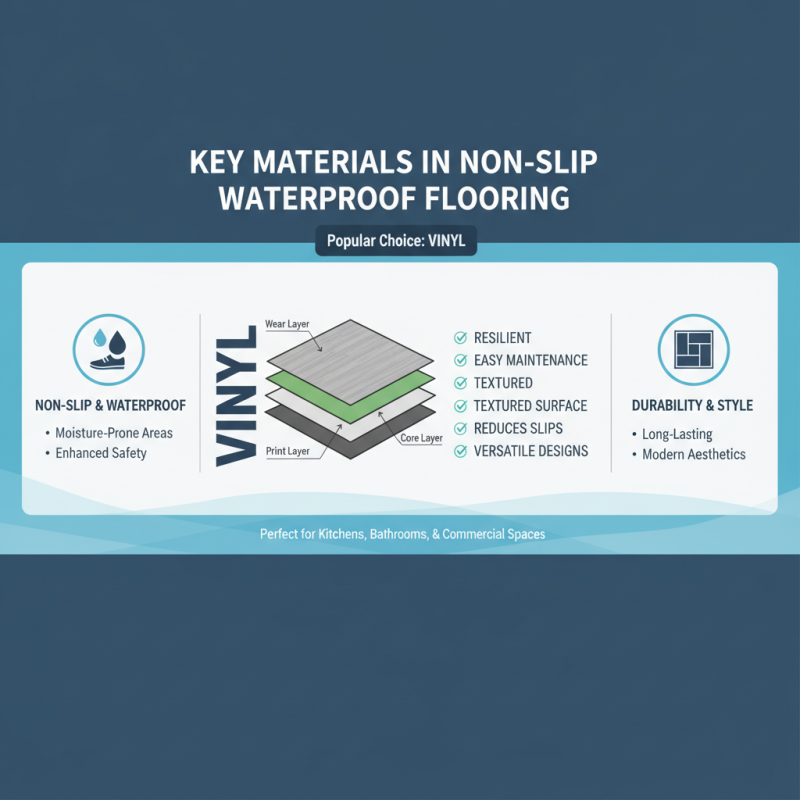
Non slip waterproof flooring is gaining popularity in various spaces, particularly in areas prone to moisture. Key materials used in this type of flooring contribute significantly to its effectiveness and durability. Vinyl is a common choice, known for its resilience and easy maintenance. It offers a textured surface, reducing the risk of slips. Additionally, it is available in a range of designs, making it versatile.
Rubber is another excellent material, often used in commercial settings. Its natural grip makes it ideal for high-traffic areas. Rubber flooring can absorb impact, providing comfort underfoot. However, it may require regular cleaning to prevent dirt buildup, which can impact its non-slip properties.
Cork is an emerging option in residential spaces. It is eco-friendly and has natural insulation properties. While it is slip-resistant, cork needs proper sealing to maintain waterproof features. Users must be mindful of potential wear over time. Balancing aesthetics and functionality is essential when choosing the right material for your environment.
Advantages of Non Slip Waterproof Flooring for Various Spaces
Non-slip waterproof flooring is becoming popular in various spaces. It combines functionality with safety. This type of flooring provides a reliable surface resistant to moisture. It's ideal for bathrooms, kitchens, and entryways, where water spills occur frequently. Accidents due to slips can be reduced significantly with this kind of flooring, making it a wise choice for families and businesses alike.
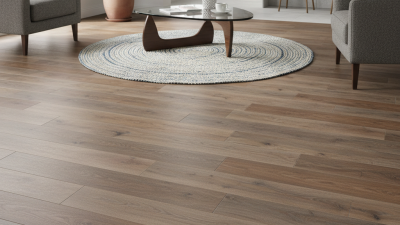
Furthermore, non-slip waterproof flooring comes in many designs. You can find options that resemble wood, stone, or tile. This versatility allows homeowners to maintain aesthetics without sacrificing safety. Even in commercial settings, these floors can enhance customer comfort and protect staff from injuries. Installing this flooring can be a significant investment, but the long-term benefits often outweigh the costs.
It’s important to remember that not all non-slip surfaces are created equal. Some may wear down quicker than expected. Regular maintenance is crucial to ensure their effectiveness. Not addressing wear can lead to potential hazards over time. It's vital to evaluate product quality and gather insights from experienced users before making a choice. This can help in making a more informed decision for your space.
Installation Process of Non Slip Waterproof Flooring
The installation process of non-slip waterproof flooring is crucial for maximizing safety and durability in various spaces. This type of flooring is designed to provide excellent grip even when wet, making it ideal for areas prone to spills or moisture. According to industry reports, slips and falls account for over 60% of workplace injuries. Choosing appropriate flooring can significantly reduce these incidents.
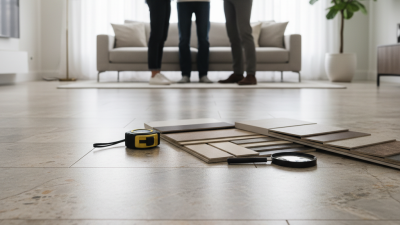
Beginning with surface preparation, the area must be clean and free from debris. Any existing flooring needs to be removed to expose a solid foundation. This can be challenging, especially with old adhesive residues. After preparation, the installation involves laying the initial pieces carefully, ensuring tight seams to prevent moisture infiltration. Many professionals recommend using interlocking tiles as they allow for easy adjustments.
Once the initial pieces are installed, proper sealing is critical. A waterproof membrane can enhance durability and prevent mold growth, which adds another layer of complexity to the process. It is essential to choose the right adhesives, as some may not perform well under wet conditions. Inspection after installation can reveal imperfections that require attention. Proper maintenance and periodic checks can prolong the lifespan of the flooring and maintain its non-slip properties.
Maintenance Tips for Longevity of Non Slip Waterproof Flooring
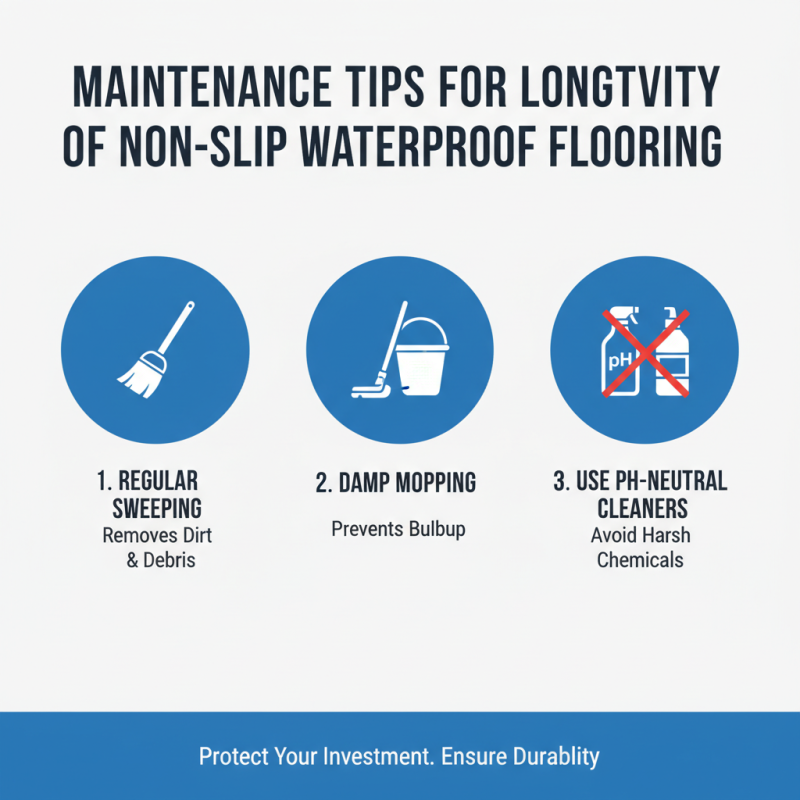
Non-slip waterproof flooring offers significant advantages for various spaces, especially in areas prone to moisture or high foot traffic. Maintaining this type of flooring is crucial for longevity and performance. Regular sweeping keeps dirt and debris at bay. Mop the floor with a damp cloth occasionally to avoid buildup. Use pH-neutral cleaners to prevent damage. Harsh chemicals can harm the surface, leading to costly repairs.
Inspecting the flooring regularly is beneficial. Look for any signs of wear or tear. Address issues early to avoid larger problems. If you notice scratches or scuffs, consider non-abrasive polish. This helps maintain the aesthetic and functional qualities of the flooring. Be mindful of sharp objects, as they can compromise the surface integrity.
Avoid dragging heavy furniture across the floor. Instead, lift and place items carefully. This minor effort can save you from future headaches. Keep an eye on humidity levels; excessive moisture can impact the flooring. Use dehumidifiers if necessary, especially in basements or enclosed areas. With the right maintenance, non-slip waterproof flooring can remain safe and appealing for years.



 Send Email
 whatsapp
 Whatsapp