Rigid SPC vinyl flooring has gained popularity in modern interior design. This innovative flooring option combines durability with aesthetic appeal. It consists of a solid core, which provides excellent stability and resistance to moisture. Many homeowners are choosing Rigid SPC vinyl flooring for its practicality and style.
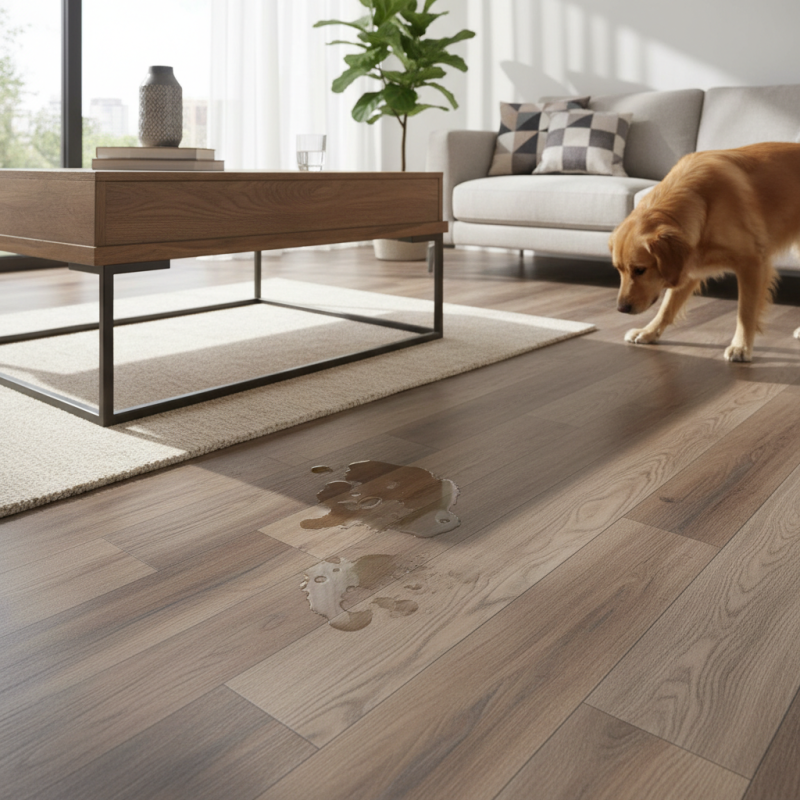
The benefits of Rigid SPC vinyl flooring are numerous. Durability is one of its standout features. It can withstand heavy foot traffic and is resistant to scratches and dents. Cleaning is a breeze, as spills won't damage its surface. However, not every brand achieves the same quality. It is essential to do thorough research before making a purchase.
Another advantage is the wide range of designs available. From wood-like finishes to stone appearances, Rigid SPC vinyl flooring offers versatility. It can elevate any space, be it a cozy home or a bustling commercial area. Yet, some may find it lacks the natural warmth of real wood. Balancing style and functionality remains a crucial consideration when choosing flooring.
Rigid SPC vinyl flooring is an innovative flooring option. SPC stands for Stone Plastic Composite. This material combines limestone and PVC for extra durability. It is designed to handle heavy foot traffic and resist water damage. This makes it ideal for both residential and commercial spaces.
Many homeowners appreciate the realistic wood and stone looks that rigid SPC offers. The planks click together easily, making installation straightforward. This user-friendly aspect is attractive for DIY enthusiasts. However, some might struggle with aligning the boards perfectly. A slight misalignment could lead to visible gaps.
Tips for maintaining your rigid SPC flooring include regular sweeping and occasional mopping. Avoid harsh chemicals, as they can damage the surface. Make sure to use furniture pads to prevent scratches. Be cautious with dragging heavy furniture; it can create dents. While rigid SPC is resilient, proper care ensures it lasts longer. Always check the manufacturer's guidelines for recommended cleaning methods.
Rigid SPC vinyl flooring is known for its durability and easy installation. It consists of a stone-plastic composite core, making it sturdier than traditional vinyl. This material is highly resistant to moisture and stains. According to experts, the global SPC flooring market is projected to reach nearly $6 billion by 2025, indicating its growing popularity.
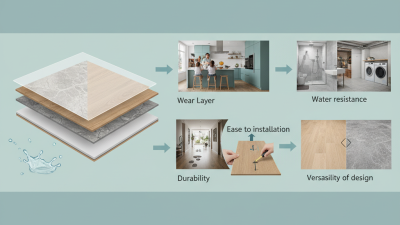
One key feature is its sound insulation ability. Designed with an additional sound-absorbing layer, it reduces noise transmission. This is particularly beneficial in multi-story buildings and homes with pets. Additionally, SPC flooring often comes with a wear layer that protects against scratches and dents. Industry reports highlight that nearly 78% of homeowners prioritize flooring that offers both style and functionality.
Another notable aspect is the ease of maintenance. Unlike hardwood, SPC vinyl does not require refinishing. Simple sweeping and occasional mopping are sufficient. However, some users report that a rough surface can retain dirt, requiring more frequent cleaning. These small imperfections can lead to dissatisfaction. It’s essential to weigh these factors when considering the installation of SPC flooring in your space.
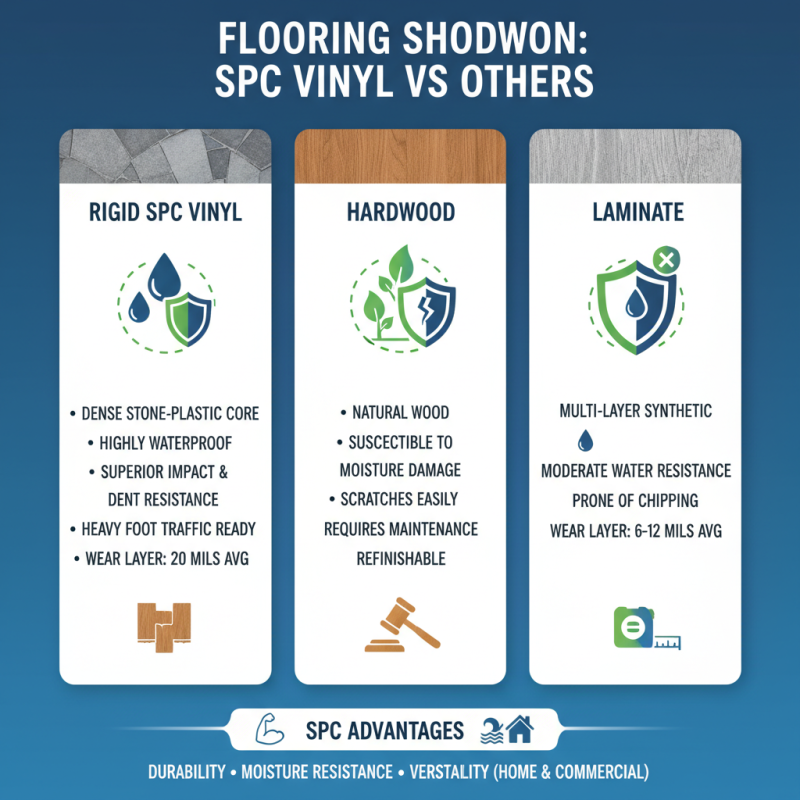
When comparing rigid SPC vinyl flooring to traditional options like hardwood and laminate, several advantages emerge. Rigid SPC, or Stone Plastic Composite, features a dense core, making it highly resistant to impact and moisture. Reports suggest that it can withstand heavy foot traffic, which is beneficial in residential and commercial spaces. In fact, SPC flooring shows an impressive wear layer thickness, averaging 20 mils, significantly outperforming standard laminate's 6-12 mils.
A key aspect of SPC flooring is its installation flexibility. It boasts a click-lock design, allowing for easier DIY projects. This is different from traditional hardwood, which typically requires professional installation. Also, SPC flooring is noted for its sound insulation properties, reducing noise transmission. According to a report by the American Institute of Architects, sound control is becoming increasingly critical in modern home design, making SPC a favorable choice.
Despite these benefits, some potential drawbacks warrant reflection. The rigid structure may feel less comfortable underfoot compared to softer materials. Additionally, while SPC is durable, its surface is still susceptible to scratching compared to hardwood. Homeowners may need to consider lifestyle factors before making a choice. The appeal of aesthetics versus practicality should not be overlooked in this flooring decision.
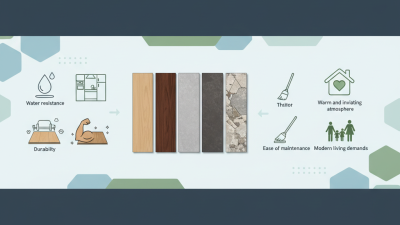
Rigid SPC vinyl flooring is gaining popularity due to its many benefits. This type of flooring is constructed with a rigid core, making it more durable and stable than traditional vinyl. It can handle heavy foot traffic, making it ideal for homes and commercial spaces. One of its significant advantages is its water resistance. This feature makes it perfect for kitchens and bathrooms where spills are common.
Installing rigid SPC vinyl flooring can be a DIY-friendly project. However, ensure the subfloor is clean and dry before installation. This can prevent future issues like warping. Remember, a poorly installed floor can cause more problems down the line.
Tip: Use a floating floor method for easy installation. This approach allows the flooring to expand and contract. Additionally, consider using a soundproofing underlayment to reduce noise. Comfort is also essential. Opt for a cushioned backing if you stand for long periods. The mix of durability and comfort makes rigid SPC flooring a smart choice for diverse environments.
Rigid SPC vinyl flooring is known for its durability and aesthetic appeal. However, proper maintenance is crucial to extend its life and keep it looking great. Regular cleaning can prevent dirt buildup. Use a vacuum to remove dust and debris. For deeper cleans, damp mopping with a mild detergent can help. Avoid harsh cleaners as they can damage the surface.
One must remember to place mats at entrances. This simple step minimizes dirt tracked indoors. Additionally, use felt pads under furniture to avoid scratches. Heavy furniture can leave marks that are hard to remove. If spills occur, clean them immediately using a soft cloth. Waiting too long can lead to stains that are tough to handle.
Another tip is to keep humidity levels in check. Excess moisture can affect the flooring. Maintain a stable environment with air conditioning or dehumidifiers. It’s easy to forget these details in daily life. Without consistent care, the flooring may lose its charm over time. Focus on these maintenance habits for optimal results.