What is Spc Plank Flooring and Why Choose It?
Spc Plank Flooring has gained popularity in modern homes. It's a durable and stylish option for various environments. Many homeowners seek quality flooring that meets their needs. SPC stands for Stone Plastic Composite, which gives it unique benefits.
One might wonder why choose SPC Plank Flooring over traditional options. Its waterproof nature is a significant advantage. This makes it ideal for kitchens and bathrooms. Additionally, SPC is known for its ease of installation. It can be placed over existing floors, reducing renovation time and costs.
However, the choice is not without challenges. Some may find the textures and patterns less varied than wood or tile. It's important to consider personal preferences and home style. In the end, SPC Plank Flooring offers a reliable option, blending functionality with modern aesthetics.
What is SPC Plank Flooring?
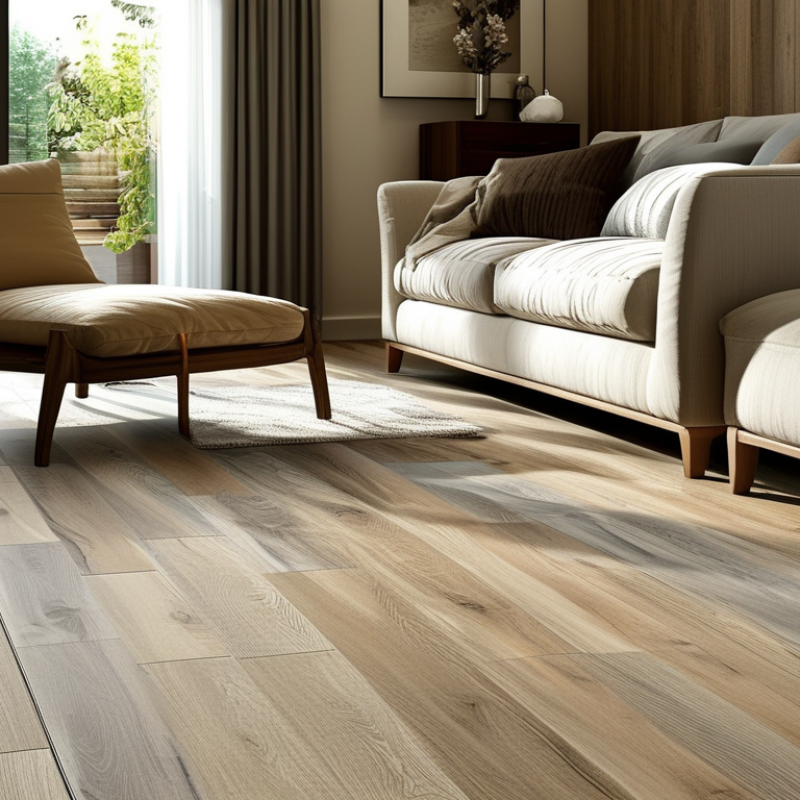
SPC plank flooring, short for Stone Plastic Composite, is a durable flooring option that combines elegance and practicality. It features a core made from a mix of limestone and PVC, giving it impressive strength. This innovative composition provides excellent resistance to water and impacts. Many homeowners are drawn to its stylish designs that resemble natural wood or stone.
One key reason to choose SPC plank flooring is its low-maintenance nature. Regular sweeping and occasional mopping keep it looking fresh. This flooring type also typically boasts an easy installation process, often allowing for a click-lock system. However, not all SPC floors are created equal. It’s crucial to inspect the thickness and wear layer to ensure quality.
Some might find the rigidness of SPC planks less comfortable underfoot compared to softer materials. This can be a drawback in spaces that demand a cozier feel. Additionally, while the look of stone or wood is appealing, the texture may not mimic the warmth of natural materials. These imperfections are worth considering when selecting the right flooring for your home.
Key Features of SPC Plank Flooring
SPC plank flooring, or Stone Plastic Composite flooring, has gained popularity in recent years. Its construction offers a blend of durability and aesthetic appeal. The core is a rigid layer made from limestone and polyvinyl chloride (PVC), which contributes to its stability.
One key feature is its waterproof nature. SPC flooring can withstand spills and humidity, making it ideal for kitchens and bathrooms. Another notable aspect is its ease of installation. Many products are designed for a click-lock system, allowing homeowners to lay the floor without glue or nails. This DIY-friendly approach reduces time and labor costs.
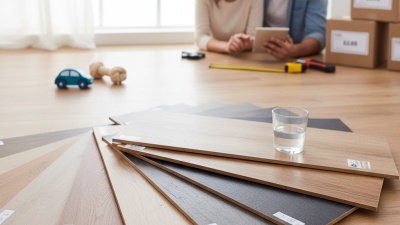
Tips: When considering SPC flooring, check for a warranty before purchasing. A solid warranty reflects manufacturer confidence. Also, consider the thickness of the planks. Thicker planks generally offer better sound absorption and stability. Finally, Test a sample at home. Lighting and existing decor can affect how the color looks in your space.
Popularity of SPC Plank Flooring Features
Advantages of Choosing SPC Plank Flooring
SPC plank flooring, short for Stone Plastic Composite, is a modern flooring option that blends durability with aesthetic appeal. The advantages of choosing SPC plank flooring are numerous, making it a popular choice for homeowners and builders alike. One key benefit is its impressive resistance to moisture and spills, which makes it suitable for any room, including kitchens and bathrooms. This quality helps prevent warping and damage, ensuring the longevity of your flooring.
Another advantage is its ease of installation. SPC flooring comes with a click-lock system, allowing for quicker and simpler setup. Homeowners can often install it without professional help, saving both time and money. Furthermore, SPC flooring offers an extensive range of designs. You can find options that mimic hardwood or stone textures beautifully. This versatility allows for customization in any space, creating a unique look that suits your style.
Tip: When choosing SPC plank flooring, consider the thickness of the planks. Thicker options tend to provide more comfort underfoot and better sound insulation.
It's essential to reflect on the overall environment in which the flooring will be placed. Some SPC options may not be as robust in high-traffic areas. Assessing foot traffic can guide you to the best option for your needs.
Tip: Test the samples in your home’s lighting to see how the color and texture look different throughout the day. This can help in making a confident choice.
What is Spc Plank Flooring and Why Choose It? - Advantages of Choosing SPC Plank Flooring
| Feature |
Description |
Benefits |
| Water Resistance |
SPC flooring is designed to resist moisture, making it suitable for bathrooms and kitchens. |
Prevents warping and damage from spills, ensuring longevity. |
| Durability |
Built with a rigid core and protective wear layer, SPC flooring resists scratches and dents. |
Ideal for high traffic areas, retaining its appearance over time. |
| Easy Installation |
SPC planks typically feature a click-lock system for straightforward installation. |
Saves time and reduces installation costs, suitable for DIY projects. |
| Variety of Designs |
Available in various styles, colors, and textures to mimic natural wood and stone. |
Allows for customization to match any decor theme. |
| Affordable |
Generally more cost-effective compared to traditional hardwood and stone flooring. |
Provides a high-end look without breaking the bank. |
Installation Process of SPC Plank Flooring
Installing SPC plank flooring can be a rewarding project. Before you start, gather the necessary tools. You'll need a
utility knife, a saw, a measuring tape, and a level. Preparing your subfloor is crucial.
Ensure it is clean, dry, and level to prevent any issues later on.
Begin by laying out the SPC planks. It’s important to acclimate them to the room's temperature and humidity.
This process should take at least 48 hours. When you cut the planks, be precise. A miscalculated cut can lead to gaps or overlaps, which affect
overall aesthetics. Start by placing the first plank in a corner. Use spacers to maintain an expansion gap along the walls.
As you work your way across the room, watch for minor adjustments. The alignment must be consistent. If you notice a plank is not fitting well,
it’s worth taking the time to reposition it. Using a tapping block can help secure the planks together without
damaging them. Finally, keep in mind that this process may not turn out perfectly. It’s normal to encounter setbacks, but patience and care will yield
a beautiful floor.
Maintenance Tips for SPC Plank Flooring
SPC plank flooring is a popular choice for many homeowners due to its durability and aesthetic appeal. However, to keep your flooring looking pristine, proper maintenance is essential. Regular sweeping is a simple yet effective practice. It removes dirt and dust, preventing scratches on the surface. Using a soft-bristle broom can help maintain your floor’s integrity.
When it comes to cleaning, avoid harsh chemicals. Instead, opt for a damp mop with a mild detergent. Too much water can damage SPC flooring, so wring out your mop well. Spills should be wiped up immediately. Stains left untreated can become stubborn over time. While SPC is resistant to moisture, it’s a good habit to quickly address any spills.
Installing felt pads under furniture can minimize scratches and dents. Over time, heavy furniture can leave marks, which are hard to repair. Regularly check and adjust any furniture placements. This proactive step can save you from future headaches. Lastly, consider placing rugs in high-traffic areas. This not only adds style but also protects your flooring from wear. Proper care enhances the longevity of SPC plank flooring.






 Send Email
 whatsapp
 Whatsapp
