10 Tips for Choosing the Best Interior WPC Wall Panel?
Choosing the right interior WPC wall panel can greatly influence your space. These panels combine beauty and functionality, offering durability and moisture resistance. They are suitable for various environments, from homes to commercial spaces. However, selecting the best option may feel overwhelming.
Consider your design style and color palette. Each panel has unique textures and finishes. Some options mimic natural wood, while others present bold colors. It’s essential to visualize how each choice would fit into your space. A wrong choice could lead to a lack of cohesiveness.
Think about the installation process and maintenance needs. Some panels are easy to install, while others may require professional help. This decision impacts time and cost. Reflect on your priorities carefully. Striking the right balance between aesthetics and practicality is crucial.
Understanding the Basics of WPC Wall Panels for Interior Use
WPC wall panels are gaining traction for interior spaces due to their unique attributes. Made from a composite of wood and plastic, they offer a durable and stylish option for any room. Their lightweight nature simplifies installation, making it a favorite among DIY enthusiasts. WPC panels come in various textures and colors, providing ample choices to fit diverse aesthetics. However, not all panels are created equal. Quality can significantly vary between products.
When choosing WPC panels, consider your specific needs. For instance, think about moisture resistance if you're looking to use them in bathrooms or kitchens. Some panels may not perform well in humid conditions. This is crucial. Installation methods can differ too. Some panels snap together, while others may require glue or nails. It’s important to reflect on your skill level and the tools available before starting a project.
Despite their benefits, there are flaws to watch out for. Some WPC wall panels can fade over time. Color retention is an important factor when shopping. It’s also worth noting that while WPC is more resistant than traditional wood, scratches can still occur. Inspect samples closely and consider how they will hold up with everyday wear and tear. Take your time, and choose wisely.
Evaluating Durability and Longevity of WPC Wall Panels
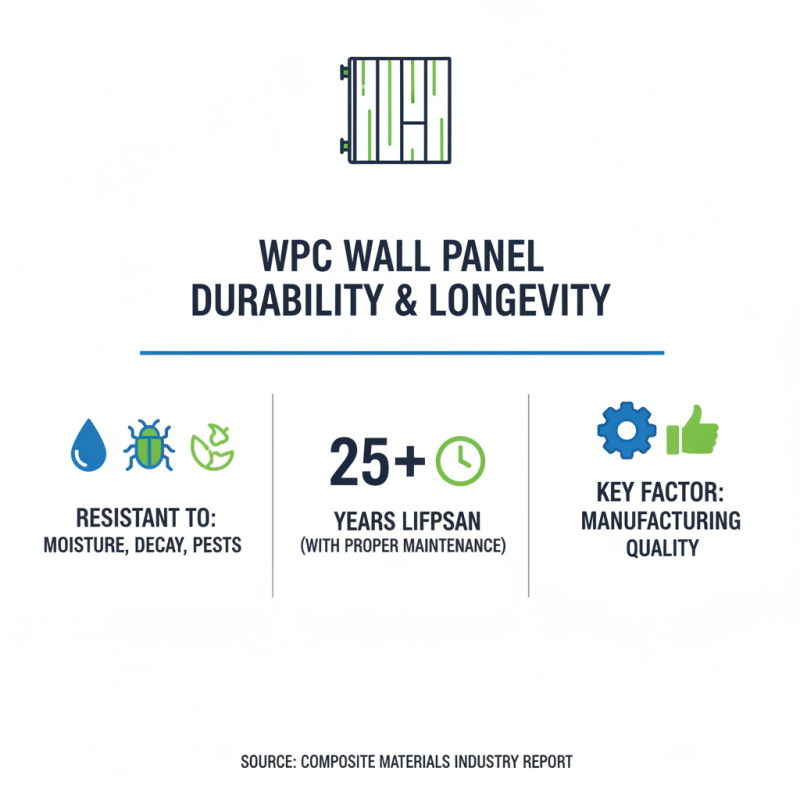
When evaluating the durability and longevity of WPC wall panels, several factors come into play. WPC, or wood-plastic composite, combines wood fibers with plastic. This blend makes the material resistant to moisture, decay, and pests. A recent report from the composite materials industry revealed that WPC wall panels can last over 25 years with proper maintenance. However, not all panels are created equal. The quality of the manufacturing process can greatly affect their lifespan.
Additionally, UV exposure can lead to color fading and material degradation. It's important to seek panels with UV resistant properties to mitigate this issue. According to research, around 30% of WPC products suffer from surface wear when exposed to direct sunlight for prolonged periods. It's prudent to evaluate product specifications and reviews to gauge performance in various environments. Ultimately, while WPC panels offer many benefits, understanding their limits and strengths can help in making a well-informed choice.
Aesthetic Considerations: Style and Design Options for WPC Panels
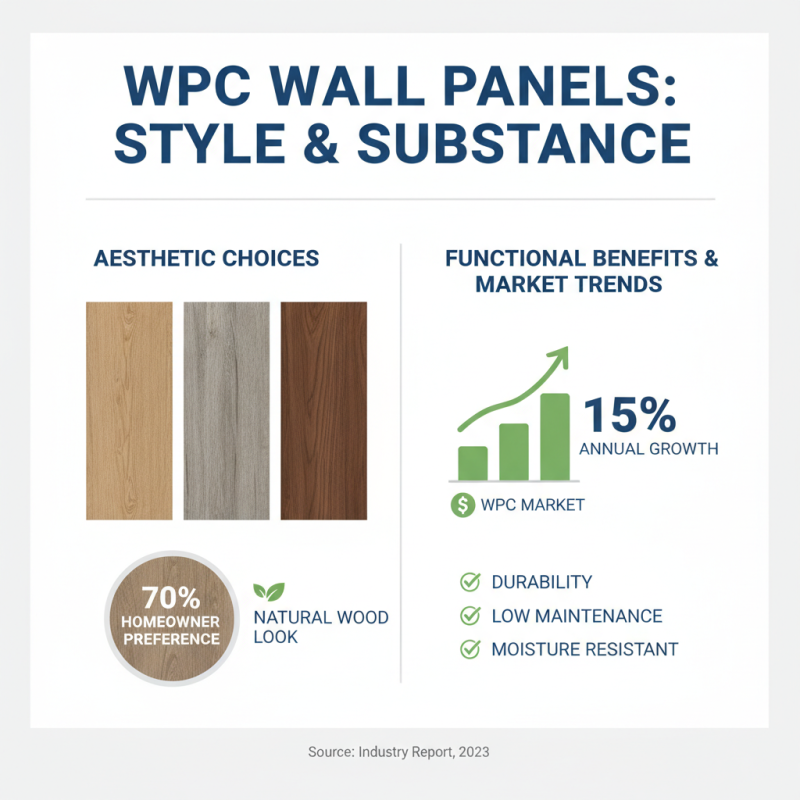
Choosing the right WPC wall panel is essential for both aesthetic and functional needs. Aesthetic considerations play a crucial role in this choice. Current trends emphasize natural looks that mimic wood while offering more durability. In fact, studies show that 70% of homeowners prefer wood-like textures for interior decor. This trend is driving the WPC market, which is projected to grow by 15% annually.
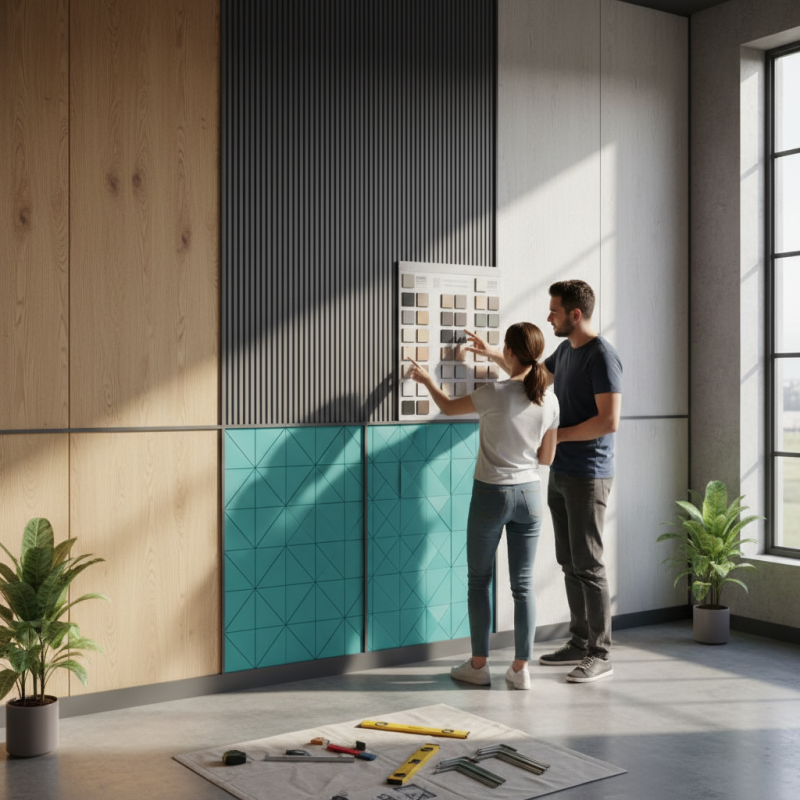
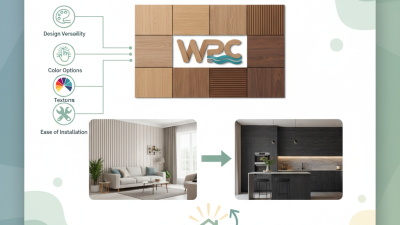
When selecting WPC panels, consider the design options available. There are various textures and colors to choose from. Darker shades can create a warm and inviting atmosphere, while lighter tones can brighten up a space. If you find the color options overwhelming, narrowing them down to a few that complement your existing decor can be helpful.
Tip: Always sample before buying. Touch and see how the panel looks in your space. Lighting can dramatically change the look. Pay attention to finish. The shine level can affect perceived texture.
Another important aspect is the panel's pattern. Geometric designs are increasingly popular. They can add a modern touch to rooms. Yet, be cautious—too many patterns can create chaos rather than harmony in your interior. Take time to visualize the overall look before making a commitment.
Cost Analysis: Budgeting for WPC Wall Panel Installation
Budgeting for WPC wall panel installation involves several key considerations. The average cost of WPC wall panels ranges from $2 to $7 per square foot. This figure includes material and installation. However, costs can vary based on the complexity of the design and the area of installation. For instance, intricate patterns might require more labor, thereby increasing overall expenses.
Additionally, installation costs can add 50% to 100% to the material price. According to recent industry reports, homeowners should prepare for a total budget between $4,000 and $10,000 for a typical living room project. It's essential to get multiple quotes before proceeding. Some installers may add hidden fees, which can surprise budget-conscious buyers.
Finally, consider long-term savings from WPC panels. They are resistant to moisture and insects, reducing future repair costs. Yet, decision-makers must balance upfront costs with these savings. Reflecting on these factors can lead to better financial planning for your project. Each choice impacts both aesthetics and budget.
Environmental Impact and Sustainability of WPC Materials
When selecting WPC wall panels, consider their environmental impact. Wood-plastic composite (WPC) materials combine recycled wood and plastic. This helps reduce waste and promotes sustainability. However, not all WPC products are eco-friendly. Some may contain harmful additives. Always check for certifications that confirm their safety and sustainability claims.
Here are some tips to choose the best WPC wall panel. First, opt for panels made from recycled materials. This choice minimizes resource depletion. Second, look for a company using eco-friendly manufacturing processes. This can greatly reduce carbon emissions. Lastly, consider the durability of the panel. Long-lasting materials lead to less frequent replacements, benefiting the environment in the end.
Balancing sustainability with aesthetics is challenging. WPC panels can imitate traditional wood. Yet, they may lack the unique character of natural wood. Reflect on whether the compromise is worth it. Consider how it fits in your space and its long-term environmental impact.





 Send Email
 whatsapp
 Whatsapp