Top Tips for Choosing Wall Panels for Interior Design?
When it comes to interior design, selecting the right wall panel is crucial. The choice of a wall panel for interior settings can drastically influence the overall aesthetic and functionality of a space. Wall panels serve not only as decorative elements but also as practical solutions for insulation and acoustic control. With many options available, making the right choice can feel overwhelming.
Consider the material of the wall panel for interior use. Wood, metal, and fabric offer different textures and vibes. Each material brings its unique taste and appeal. Is wood too rustic for your modern space? Or would metal create an uncomfortable atmosphere? Think about your own style and how these materials contribute to it.
Color is another vital aspect. Bright colors can energize a room, while neutral tones can promote calmness. Keep in mind that lighting affects how colors are perceived. Sometimes, a beautiful panel may clash with your planned decor. Balancing practicality with aesthetics often involves tough decisions. Reflect on what truly resonates with you and be open to re-evaluating your choices. This introspection can lead to a space that truly feels like home.
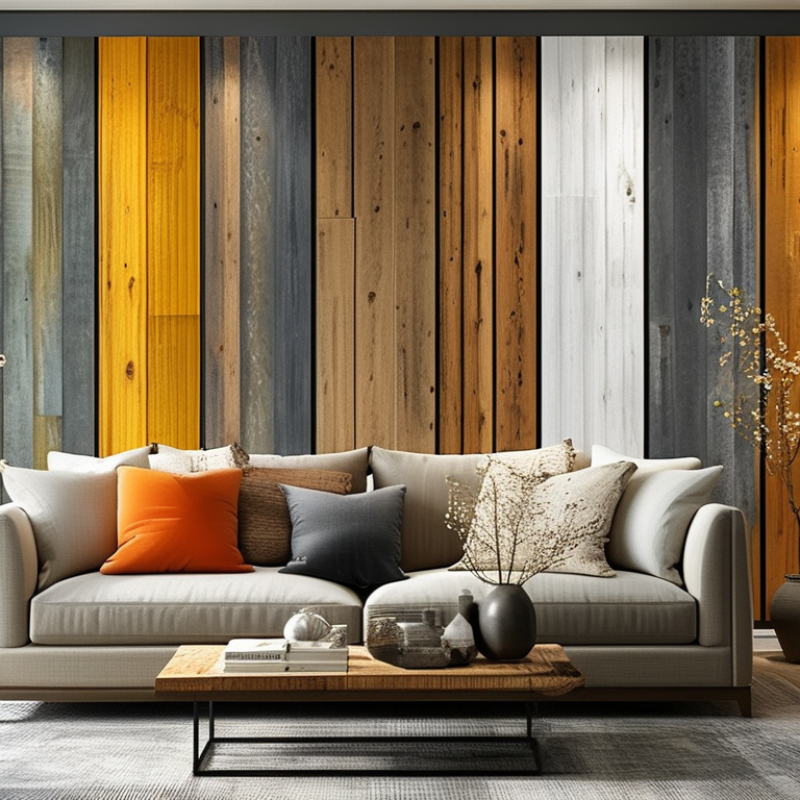
Understanding Different Types of Wall Panels for Interior Design
When selecting wall panels for interior design, understanding the various types available is crucial. Wall panels can significantly influence the overall ambiance of a space. According to a recent market report, the wall panel industry is expected to reach USD 45 billion by 2025, indicating growing consumer interest in stylish interior solutions.
There are several types of wall panels. Wood panels offer warmth and a classic look, ideal for traditional interiors. On the other hand, vinyl panels are versatile and easy to maintain. They come in numerous styles and colors. A report by the building materials association noted that waterproof options are gaining popularity, especially in kitchens and bathrooms.
However, choosing the right panel type can be challenging. Buyers often favor aesthetics over functionality. In reality, the durability and installation process are just as important. Pre-fabricated panels may seem convenient, yet they can pose fitting issues in unique spaces. This inconsistency can affect overall design. It's essential to weigh these factors carefully.
Top Tips for Choosing Wall Panels for Interior Design
Evaluating Material Options for Durability and Aesthetics
When selecting wall panels, consider material options that balance durability with aesthetics. Popular choices include wood, vinyl, and fiber cement. Each material has distinct characteristics. For instance, wood provides warmth but may require more maintenance. Vinyl, on the other hand, is easy to clean and resistant to moisture.
Durability is crucial for lasting appeal. Look for materials that can withstand wear and tear in high-traffic areas. Fiber cement panels are known for their strength and weather resistance. However, they can be heavier to install. Weighing aesthetics against function is key in your decision-making process.
Think about the room's overall design. Light colors can make small spaces feel larger, while darker colors add sophistication. Reflect on how each material complements existing décor. It's easy to overlook these details, leading to a mismatched look. Take your time to visualize how different panels work with lighting and surrounding elements. Making an informed choice will enhance your spaces significantly.
Exploring Color and Texture Influences in Wall Panel Selection
When selecting wall panels, color and texture play a significant role in interior design. Color influences mood and perception. Light colors can create an illusion of space. On the other hand, darker shades provide a cozy, intimate feel. Consider how different hues interact with your lighting. Warm tones can make a room feel inviting, while cool tones add calmness.
Texture also holds great importance. Smooth panels might enhance a modern aesthetic. Conversely, textured panels add depth and interest. Textured surfaces can absorb sound, making a space quieter. Think about how the texture complements or contrasts with other materials in the room. For a balanced design, mix different textures thoughtfully.
Tip: Always test your selections with samples. Observing them in different lights is key. Color and texture can shift dramatically throughout the day. Don’t be quick to judge. An initial attraction might fade. Remember, your choices should reflect your style and serve your needs. Personal reflection is essential in this design journey.
Considering Installation Methods and Costs for Wall Panels
When considering wall panels for your interior design, it's important to look closely at installation methods and costs. According to a report by the Wall and Ceiling Bureau, installation can significantly impact your budget. The cost of professional installation can range from $2 to $4 per square foot. DIY installation is a viable option, yet it requires skill. A simple mistake can lead to wasted materials and additional costs.
When choosing wall panels, you should assess the total cost, including labor and materials. Some panels are easier to install than others and can save you money. For example, tongue-and-groove or peel-and-stick panels often require less labor. Also, consider the long-term maintenance costs. Some materials may seem cheaper initially but can incur higher maintenance expenses over time.
It’s crucial to visualize the final result. Opt for samples whenever possible; they provide a better sense of texture and color. Check the weight and overall durability of the material too. Lightweight panels can often be installed with less structural support, leading to cost savings. Remember, the installation method you choose can affect both aesthetics and durability in the long run.
Assessing the Environmental Impact of Wall Panel Materials
When selecting wall panels for interior spaces, the environmental impact of materials is crucial. Sustainable choices can significantly reduce carbon footprints. A report by the World Wildlife Fund states that the production of certain panels generates substantial greenhouse gas emissions. Opting for eco-friendly materials can help mitigate this.
Recycle content is gaining popularity in the wall panel industry. According to the Green Building Council, using recycled materials can lower energy consumption by up to 50%. This is a remarkable statistic for designers aiming to create environmentally responsible spaces. However, many still overlook this option, leading to missed opportunities for sustainability.
Natural materials, like bamboo, also present a compelling choice. They grow rapidly and require less water compared to traditional timber. Nevertheless, sourcing laws can be complex, leading to unintentional negative impacts. Awareness and diligence in material sourcing remain essential for responsible design. This path may seem challenging, but the impact of thoughtful choices can resonate throughout the design community.
Top Tips for Choosing Wall Panels for Interior Design - Assessing the Environmental Impact of Wall Panel Materials
| Material Type |
Recyclability |
Sustainability Rating |
Carbon Footprint (kg CO2e/m²) |
Indoor Air Quality Impact |
| Wood Panels |
Yes |
High |
25 |
Good |
| PVC Panels |
No |
Low |
90 |
Poor |
| Gypsum Board |
Yes |
Medium |
40 |
Good |
| Bamboo Panels |
Yes |
Very High |
15 |
Excellent |
| Metal Panels |
Yes |
High |
50 |
Good |



 Send Email
 whatsapp
 Whatsapp
