Top PVC Marble Sheet Tips for Global Buyers?
In the dynamic world of building materials, the demand for PVC marble sheets is on the rise. With their stunning aesthetics and versatility, these sheets are becoming a favorite among architects and designers globally. Industry expert Dr. Jane Smith states, "PVC marble sheets not only provide an elegant look but are also highly functional for various applications." This statement underscores the dual appeal of PVC marble sheets.
As buyers navigate the global market, understanding key tips for selecting these materials can make a significant difference. The quality of PVC marble sheets varies widely, making it essential to assess factors such as durability and finish. A little more attention to these details can lead to substantial savings in the long run.
Yet, the decision-making process can be complicated. Different suppliers may offer varying standards of products. It is important to engage with trusted resources and conduct research to ensure a reliable purchase. Reflecting on these aspects can help buyers avoid common pitfalls in their procurement journey. Being informed is crucial in this industry, especially when aesthetics and functionality must go hand in hand.
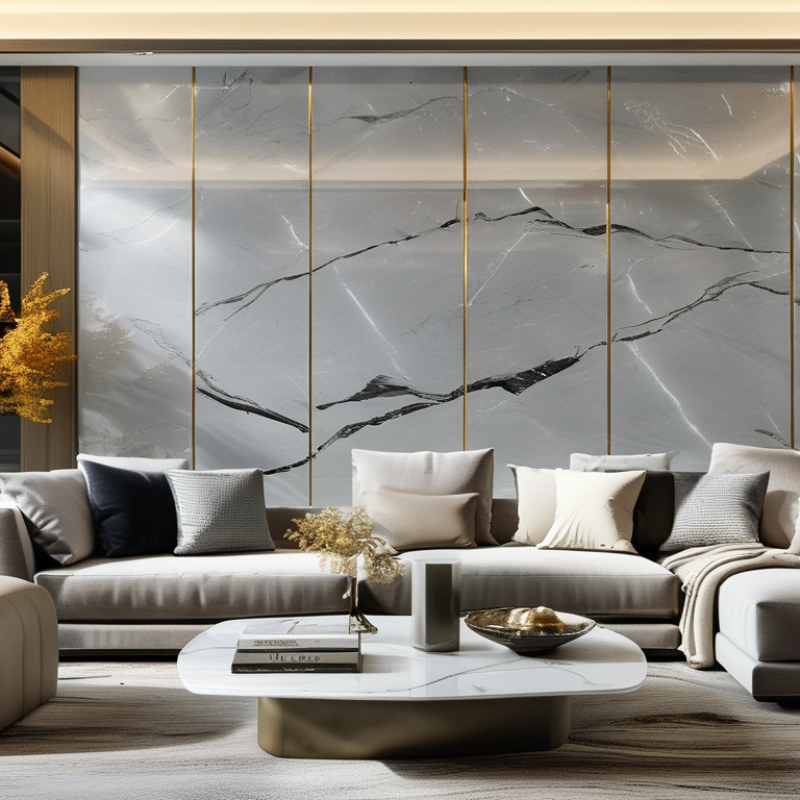
Essential Factors to Consider When Buying PVC Marble Sheets
When considering PVC marble sheets, buyers should focus on essential factors. First, consider the thickness. Standard options range from 3mm to 5mm. Thicker sheets often provide better durability. A study by Market Research Future highlights that the global PVC market is projected to grow significantly, indicating heightened demand for quality materials.
Another crucial aspect is the surface finish. Finishes can vary from glossy to matte. High-gloss surfaces often attract buyers for their aesthetic appeal. However, they may require more maintenance. Additionally, the choice of color and pattern plays a vital role. Many buyers favor natural stone imitations. This trend is supported by a report from Transparency Market Research, showing increasing consumer preference for marble patterns in interior design.
Buyers should also assess the supplier's reputation. Quality control standards impact the final product's durability and appearance. It's imperative to seek suppliers with robust quality assurance practices. Engaging with industry experts can lead to better insights. Unexpected issues, such as variations in color and texture, can arise. Therefore, considering factors like warranty and return policies is vital before purchasing.
Understanding Different Types of PVC Marble Sheets Available Globally
When exploring the world of PVC marble sheets, it's essential to recognize the various types available. Each type offers distinct features, making them suitable for different applications. For instance, there are glossy finishes that give a luxurious appearance, perfect for high-end interiors. Meanwhile, matte options tend to be more practical, providing a subtle look that can hide fingerprints and scratches from everyday use.
Different thicknesses also play a critical role in performance. Thicker sheets are more durable, ideal for high-traffic areas, while thinner options are lighter and easier to install. Color variation is another aspect to consider. You can find sheets that mimic natural stone, offering diverse colors and patterns, enhancing visual appeal.
However, one must be cautious about quality. Not all PVC marble sheets are made equal. Investing in high-quality materials can prevent issues like fading or warping. It’s wise to research suppliers for reputations and past customer feedback. Understanding these key differences ensures buyers make informed decisions. Balancing personal aesthetic preferences with practical needs will ultimately lead to better choices in selecting PVC marble sheets.
Evaluating Quality: Key Features to Look for in PVC Marble Sheets
When choosing PVC marble sheets, quality is paramount. Buyers should inspect the thickness of the sheets. A thickness of 2mm to 3mm is ideal for durability. Thinner sheets may be prone to damage. Color consistency is also crucial. Look for a uniform appearance without discoloration. Variations can indicate poor manufacturing quality.
Texture plays a significant role in aesthetic appeal. A glossy finish can enhance the look, while a matte texture may offer a different vibe. Evaluate the surface for smoothness. Rough patches could detract from its overall visual effect. Another factor is UV resistance. High-quality sheets should resist fading over time.
Buyers must also assess the sheet's flexibility. It should bend easily without cracking. Check for certifications that indicate compliance with safety standards. These can provide reassurance about the product's reliability. Some buyers may overlook the importance of warranty offerings. A solid warranty can reflect the manufacturer's confidence in their product.
Top Suppliers and Manufacturers of PVC Marble Sheets Worldwide
When seeking top suppliers and manufacturers of PVC marble sheets, global buyers should consider several key factors. A recent report indicated that the global PVC sheet market is projected to reach $5.2 billion by 2025. This growth highlights the increasing demand for durable and aesthetically pleasing materials in construction. Buyers should target manufacturers with a solid reputation. This can lead to better product quality and customer service.
One significant aspect is product variety. Many suppliers offer a range of styles and finishes. Buyers might find themselves overwhelmed by choices. Research shows that textured finishes are becoming increasingly popular. They can enhance aesthetic appeal while providing slip resistance. However, not all suppliers offer the same range of options. Some may focus solely on glossy designs, missing a market demand for alternatives.
Another consideration is pricing. Transparency in pricing helps buyers make informed decisions. Suppliers operating in different regions may have different price points due to various factors, including shipping costs. This aspect can impact overall budget planning for projects. It is vital to remember that the cheapest option might not always be the best in quality. Therefore, evaluating reviews and testimonials is essential to ensuring a satisfactory purchase.
Cost Analysis: Budgeting for Your PVC Marble Sheet Purchases
When considering PVC marble sheet purchases, a careful budget analysis is crucial. Start by evaluating the project requirements. Determine how much material is needed based on the area you want to cover. This will help you avoid over-purchasing, which can lead to unnecessary costs. Remember that prices can vary widely. Factors such as thickness, design complexity, and surface finish can significantly influence costs.
Consider the total cost of ownership. This includes not just the initial purchase but also shipping and installation. Unexpected fees can add up quickly. Research different suppliers to compare prices. Be wary of deals that seem too good to be true; they often come with hidden compromises. Quality might be sacrificed for lower prices, leading to future expenses for replacements or repairs.
Additionally, factor in the long-term durability of the sheets. Cheaper options may not last, leading to more frequent replacements. Revenue from saving on the initial purchase can diminish if you have to spend more over time. Transparency is key. Request detailed quotes to understand what you are paying for. Make informed decisions based on both cost and quality to achieve a sustainable solution.




 Send Email
 whatsapp
 Whatsapp
