How to Choose the Best Wall Panel for Interior Design?
Choosing the right wall panel for interior design can be a daunting task. With numerous options available, it's important to focus on your space's specific needs. Wall panels can transform a room's aesthetic, adding texture and personality. For many, the choice boils down to materials, colors, and patterns.
Consider the atmosphere you want to create. A rustic wood panel can evoke warmth, while sleek metal panels might lend a modern touch. Each material has its pros and cons. Wood is inviting but can require upkeep. Meanwhile, vinyl panels are low-maintenance but may lack depth. This balance can be challenging.
In addition, think about installation. Some wall panels are easy to apply, while others require professional help. Understanding your skills is essential. Reflect on your design style and the impression you want to leave. Each choice influences your home's character. Ultimately, choosing the best wall panel for interior design reflects your unique taste and lifestyle.
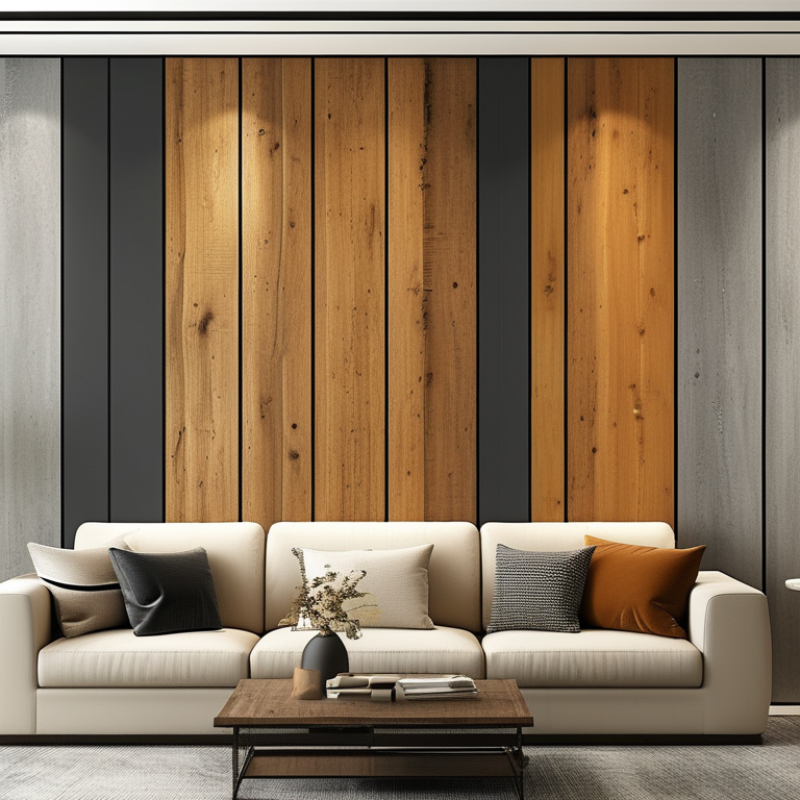
Understanding Different Types of Wall Panels Used in Interior Design
When choosing wall panels for interior design, it's essential to understand the types available. Wood panels bring warmth and texture, adding a cozy atmosphere. They can be crafted from various species, influencing the overall aesthetic. However, maintaining wood can be tricky. It may warp or fade over time, needing regular care.
Metal wall panels offer a sleek and modern look. These panels can reflect light, making spaces feel larger and more vibrant. However, they can create a cold feel if overused. Balancing metal with softer materials is important for a harmonious design.
Vinyl panels are versatile and budget-friendly, available in countless styles. They’re durable and easy to clean, suitable for high-traffic areas. Yet, they may not offer the same richness as natural materials. Choosing the right wall panel requires weighing aesthetics and functionality. Each option has its strengths and weaknesses, demanding thoughtful consideration.
Types of Wall Panels Used in Interior Design
Evaluating Material Options: Wood, Vinyl, Metal, and Fabric Wall Panels
When selecting wall panels for your interior design project, consider the material options. Wood panels offer timeless beauty. They can add warmth and character to any room. However, they may require regular maintenance. You need to watch for potential warping or fading over time. The natural variations in wood grain can also pose design challenges.
Vinyl panels are versatile and cost-effective. They mimic the look of real materials without the high price tag. Vinyl is easy to clean and moisture-resistant, making it ideal for bathrooms or kitchens. Yet, they may not provide the same depth of texture as wood. Metal panels bring a modern edge to spaces. They are durable and can create striking visual interest. However, they may feel cold or uninviting if not balanced with softer textures.
Fabric wall panels introduce softness and can improve acoustics. They come in various colors and textures, making them customizable. Still, fabric panels might be harder to clean and could attract dust. Consider your lifestyle and design goals. Each material has its strengths and challenges. Think carefully about the atmosphere you want to create in your space.
Analyzing Aesthetic Versatility: Matching Wall Panels with Design Themes
When analyzing aesthetic versatility in wall panels, it’s essential to consider the design theme of the space. According to a recent report by the Interior Design Association, 45% of designers highlight the importance of matching wall panels with the overall design concept. For instance, traditional themes may benefit from wood panels, providing warmth and character. Modern spaces often prefer sleek, minimalistic options like concrete or metal finishes. Each choice can significantly impact the atmosphere of a room.
Color plays a crucial role. A study from the Color Institute shows that 60% of individuals' feelings about a space are influenced by color alone. Neutral tones can enhance versatility, allowing for easy integration with various furnishings. Meanwhile, bold shades can define a space but may limit future decor changes. The potential for mismatched elements can raise questions about coherence in design. It's vital to strike a balance between personal preference and long-term feasibility.
Textural elements also matter. Rough textures can bring depth and interest but might clash with smoother, minimalist furnishings. Balancing textures requires a careful approach. A recent survey indicated that 55% of homeowners regret their choice of wall finish due to inconsistency with other interior elements. Therefore, thoughtful selection is key. Understanding the interplay of theme, color, and texture can lead to a cohesive, inviting environment.
Assessing Durability and Maintenance for Long-Term Wall Panel Benefits
When selecting wall panels, durability and maintenance are crucial factors. Opting for materials that withstand wear and tear is essential for long-term use. Consider how different environments affect the panel’s lifespan. For example, moisture-rich areas may require specific materials that resist mold and warping.
Maintenance plays a vital role in keeping wall panels looking fresh. Some materials require regular cleaning, while others are more forgiving. Evaluate the time you can realistically invest in upkeep. Be wary of the temptation to choose stylish options that may not stand the test of time. Aesthetic appeal is important, but function should never be overlooked.
Reflect on your daily life. Do you have children or pets? High-traffic areas demand more resilient options. Perhaps a beautiful wood panel catches your eye. However, it might need more attention than you can offer. Weigh the pros and cons carefully. Balancing style with practicality can lead to more satisfying long-term results.
Cost-Effectiveness: Budgeting for Quality Wall Panels in Interior Spaces
Choosing the right wall panels can significantly impact your interior space. When budgeting, it’s important to consider cost-effectiveness. Quality panels may require a larger initial investment but can offer durability and aesthetic appeal that cheaper options lack.
Tips: Consider the material. Wood panels add warmth but can be expensive. Vinyl panels are affordable and easy to clean. Remember to account for installation costs. A professional might save time, but it adds to the overall budget.
Explore various styles to ensure they match your design vision. Sometimes, a mid-range option provides the best blend of quality and price. Reflect on how often you'll change your decor. If you're frequently updating, investing in temporary, affordable options might be wise.
Finally, don’t forget about maintenance. Some materials require more care, affecting long-term costs. A thoughtful approach to your wall panel selection helps create a stunning space while staying within budget.
How to Choose the Best Wall Panel for Interior Design? - Cost-Effectiveness: Budgeting for Quality Wall Panels in Interior Spaces
| Panel Type |
Material |
Cost per Square Foot |
Durability |
Maintenance |
| PVC Wall Panels |
Polyvinyl Chloride |
$2 - $4 |
High |
Low |
| Wood Panels |
Plywood, MDF |
$3 - $8 |
Moderate |
Moderate |
| Metal Panels |
Aluminum, Steel |
$5 - $15 |
Very High |
Low |
| Fabric Panels |
Polyester, Cotton |
$4 - $10 |
Low |
High |
| Wood Veneer Panels |
Natural Wood |
$6 - $12 |
High |
Moderate |



 Send Email
 whatsapp
 Whatsapp
