How to Choose Slip Resistant Vinyl Flooring for Your Home?
Choosing the right flooring for your home is essential. One popular option is Slip Resistant Vinyl Flooring. This type of flooring combines style and safety. It provides the durability needed for high-traffic areas while ensuring a slip-resistant surface.
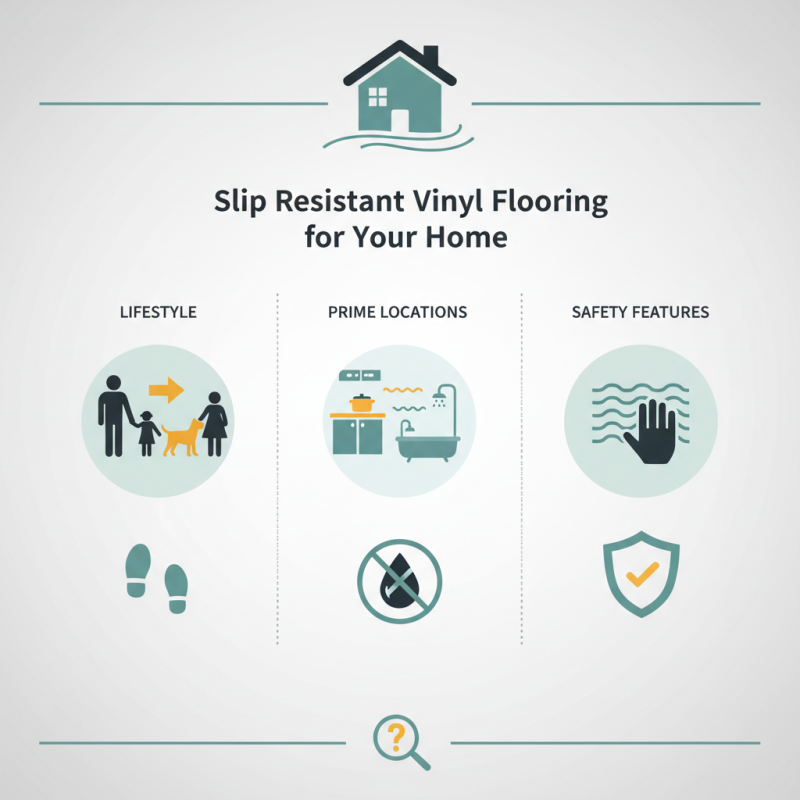
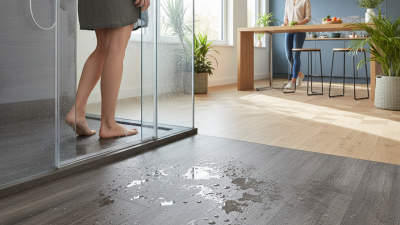
When selecting Slip Resistant Vinyl Flooring, consider your lifestyle. Think about where you will install it. Kitchens and bathrooms are prime locations. These areas often encounter moisture, making slip resistance crucial.
Texture plays a key role in safety. Look for products that have a textured surface. This increases traction and reduces slipping. It's also important to evaluate the manufacturer's certifications, ensuring quality and safety. Remember, not all vinyl flooring is created equal. Some options may not meet your specific needs. Evaluate your choices thoughtfully.
Understanding Slip Resistant Vinyl Flooring Options
When selecting slip-resistant vinyl flooring, it's vital to consider various options. Slip resistance is measured by the coefficient of friction (COF). Generally, a COF of 0.6 or higher is considered suitable for residential spaces. Look for products specifically designed with textured surfaces. These textures help to prevent slips, especially in wet areas like kitchens or bathrooms.
Different patterns also play a role in slip resistance. For instance, a plank design with a wood-like finish can provide a warm look while still being functional. Tiles with small mosaics can also enhance grip. Be mindful, though; some textured surfaces might hold dirt and grime, requiring more maintenance.
Another consideration is the quality of the wear layer. A thicker wear layer not only offers durability but can improve slip resistance, too. If you're contemplating the addition of your floor's color scheme, darker hues can show more dust and scratches, which might lead to reflection issues. It's essential to balance aesthetics with safety.
Slip Resistant Vinyl Flooring Options
This chart represents various slip resistance ratings for different types of vinyl flooring. The higher the coefficient of friction (COF) value, the more slip resistant the flooring is.
Evaluating the Benefits of Slip Resistance in Home Flooring
Evaluating the benefits of slip resistance in home flooring is crucial for safety. According to the National Safety Council, falls account for nearly 8 million hospital visits each year. A slip-resistant floor significantly reduces the risk of these accidents. Studies show that homes with slip-resistant surfaces see a 30% lower injury rate from falls. This is particularly important in high-traffic or wet areas like kitchens and bathrooms.
When selecting slip-resistant vinyl flooring, look for ratings. The ADA recommends surfaces with a coefficient of friction (COF) of 0.6 or higher. Such ratings indicate better grip under wet conditions. Not all flooring will meet these guidelines. Some styles may look beautiful but may not be safe. So, be aware of your choices and insist on safer specifications.
Additionally, lifestyle impacts your decision. Families with children or elderly members need extra care. Slip-resistant options are vital for these households. Consider textures as well. Smooth finishes may be appealing but can create hidden dangers. Regular maintenance is also key. A clean and well-maintained surface retains its slip-resistance effectively. Ignoring these aspects can lead to reflections on overall health and safety at home.
How to Choose Slip Resistant Vinyl Flooring for Your Home?
| Feature |
Description |
Benefits |
| Material Composition |
Vinyl flooring made from high-quality PVC and additives for slip resistance. |
Durability and longevity, ensuring safety in high-traffic areas. |
| Surface Texture |
Textured surface that enhances grip even when wet. |
Reduces the risk of slips and falls, promoting safety for children and elderly. |
| Wear Layer Thickness |
Thickness of the wear layer affects slip resistance and durability. |
Enhances performance in busy areas like kitchens and bathrooms. |
| Safety Ratings |
Look for slip resistance ratings (R9 to R13) as per industry standards. |
Assures that the flooring meets safety regulations for residential use. |
| Maintenance Requirements |
Easy to clean; requires minimal upkeep to maintain slip resistance. |
Saves time and effort in maintaining safety in your home. |
Key Features to Look for in Slip Resistant Vinyl Flooring
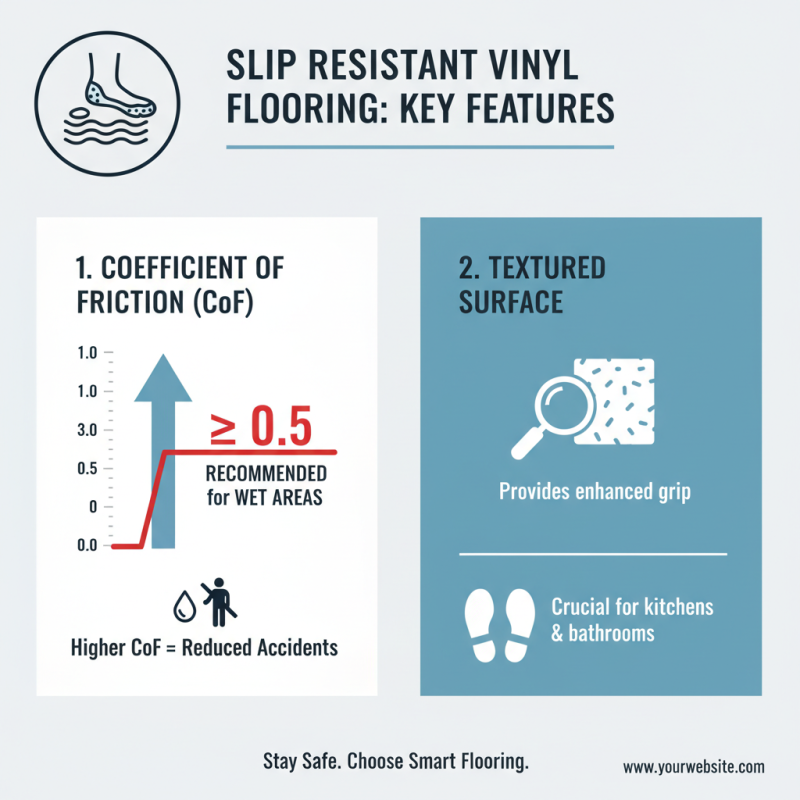
When selecting slip resistant vinyl flooring for your home, certain features are essential. One significant aspect is the coefficient of friction (CoF). A CoF of 0.5 or higher is generally recommended for slip resistance, especially in wet areas. According to industry reports, floors with a higher CoF can reduce slip and fall accidents significantly.
Another feature to consider is the texture of the flooring surface. Textured finishes can provide better grip underfoot, which is crucial in areas prone to water exposure, such as kitchens and bathrooms. Vinyl flooring can come in various designs, but choosing one with a gritty or embossed surface can enhance safety without compromising aesthetics.
**Tip:** Always check if the vinyl flooring is rated for commercial use. These ratings often reflect superior durability and slip resistance.
The wear layer is another critical feature. A thicker wear layer enhances longevity and maintains slip resistance over time. According to research, a wear layer of at least 20 mil is ideal for high-traffic areas. However, the combination of aesthetics and function can be challenging. Striking the right balance between style and safety is often overlooked but is vital for a happy home.
**Tip:** Consider moisture-resistant options for areas like basements. This can help maintain a slip-resistant surface even in humid conditions.
Installation Considerations for Slip Resistant Vinyl
When installing slip-resistant vinyl flooring, various considerations come into play. The texture of the surface plays a crucial role in its slip resistance. According to a report from the National Flooring Safety Institute, the coefficient of friction (COF) determines safety. A COF of 0.60 or higher is ideal for wet areas. However, it's essential to consider maintenance too. Some textured surfaces collect grime more easily, leading to potential slipping hazards if not cleaned regularly.
Installation methods also impact the flooring's performance. A loose-lay vinyl may not provide the same stability as a fully adhered option. This difference can influence how well the floor works in high-traffic areas. According to a study by the Resilient Floor Covering Institute, improper installation can reduce slip resistance by up to 30%. This highlights the need for careful planning and execution during installation. Each project may face unique challenges, such as uneven subfloors or moisture levels, which can affect the flooring's durability and safety.
Maintaining and Cleaning Slip Resistant Vinyl Flooring
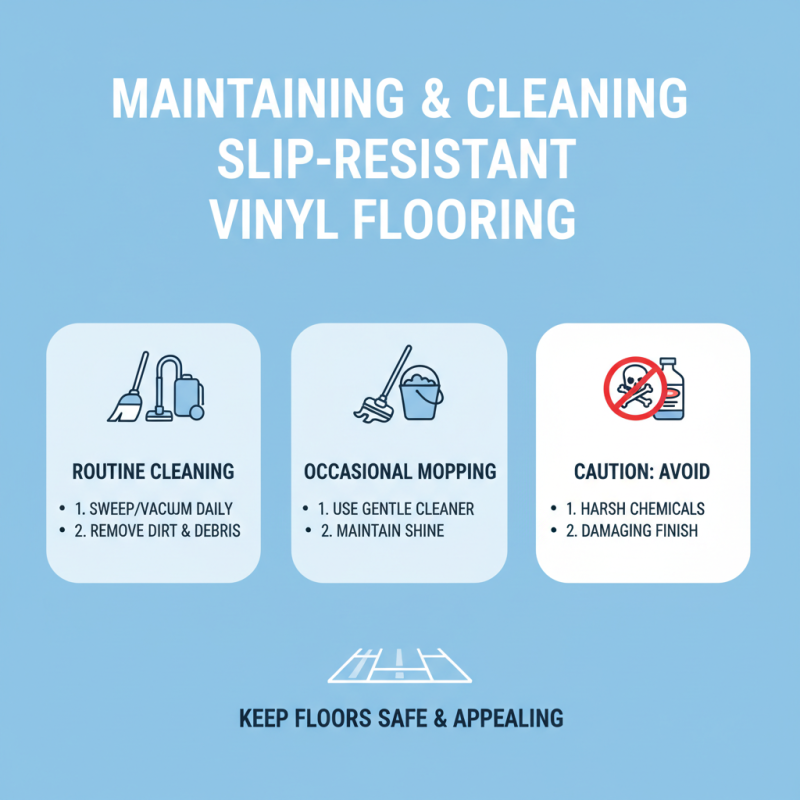
When it comes to maintaining slip resistant vinyl flooring, routine cleaning is essential. Regular sweeping or vacuuming removes dirt and debris. This keeps the surface safe and visually appealing. Occasional mopping with a gentle cleaner helps maintain its shine. Be cautious about using harsh chemicals; they can damage the finish.
Accidental spills can happen. It is vital to wipe them up immediately. Leaving moisture can cause slippage, negating the flooring's benefits. A damp cloth often suffices for most stains. However, tough stains may require a little more effort. Sometimes, it might take several tries before the stain disappears completely.
Pay attention to the flooring's texture. It can attract dirt more than smooth surfaces. While slip-resistant features are crucial, they can also require more upkeep. Make a note of this when choosing your flooring. Regular maintenance helps avoid the frustration of cleaning challenges down the line. Different cleaning methods may yield varying results, so patience is key.




 Send Email
 whatsapp
 Whatsapp