Why Choose Spc Wall Panels for Your Next Project?
In recent years, the construction and interior design industries have witnessed a significant shift towards sustainable materials. One standout in this transformation is the Spc Wall Panel. According to the Global PVC Wall Panels Market Report, the demand for these panels is projected to grow by 8.5% annually until 2027. This growth reflects a rising preference for durable, environmentally friendly products.
Spc Wall Panels are not only visually appealing but are also designed for longevity. Their inherent waterproof and scratch-resistant properties make them ideal for various applications. The National Association of Home Builders (NAHB) has noted that projects using high-quality wall panels can reduce care and maintenance costs by up to 30%. However, it's essential to remain cautious. Not all panels are created equal, and some may not meet industry standards.
When selecting Spc Wall Panels, one must consider quality and supplier reliability. This choice can significantly impact the overall success of a project. Engaging with credible manufacturers is crucial. Investing in the right materials can pay off in the long run, both in cost-effectiveness and aesthetic appeal.
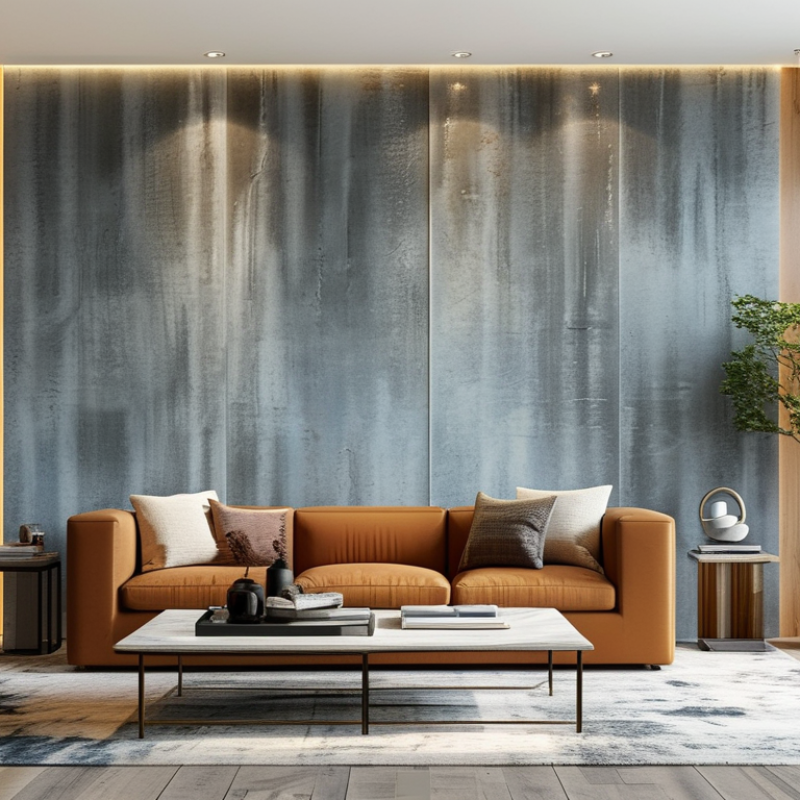
Advantages of SPC Wall Panels Over Traditional Materials
SPC wall panels are gaining traction in various construction projects. Their unique composition offers several advantages over traditional materials. For instance, SPC panels are made of stone-plastic composite, which makes them highly durable. A report from the National Association of Home Builders highlights that SPC panels can resist scratches and dents significantly better than wood or drywall.
Another benefit of SPC wall panels is their moisture resistance. They are ideal for environments prone to humidity. According to industry research, SPC panels can withstand up to 30% more moisture than conventional options. This feature can lead to lower maintenance costs in the long run. Additionally, SPC panels are lighter than traditional materials, making them easier to install. A study from the Building Research Establishment indicates that this can reduce labor costs by up to 25%.
However, not every project may benefit from SPC panels. Their rigidity can be a limitation in certain architectural applications. It's important to consider the specific needs of your project before committing. Understanding these aspects can help you make informed decisions for your next construction endeavor.
Durability and Maintenance Considerations for SPC Wall Panels
SPC wall panels stand out for their durability and low maintenance. These panels are designed to withstand wear and tear. They resist dents, scratches, and stains. Ideal for high-traffic areas, SPC panels maintain their appearance over time. Even in humid environments, they show resilience against moisture. This makes them suitable for kitchens and bathrooms.
Maintenance is straightforward with SPC wall panels. Regular cleaning with mild soap and water will keep them looking fresh. Unlike traditional wall coverings, they don’t require repainting or refinishing. However, they can chip if hit with heavy objects. Homeowners should be cautious during installation to prevent errors.
Some might find SPC panels less attractive than natural wood or stone. The texture and finish can seem artificial. Therefore, it’s important to balance aesthetic preferences with practical needs. This decision can be challenging as style impacts mood and perception. Evaluating the trade-offs between durability and aesthetics is essential for any project.
Sustainability Aspects of SPC Wall Panels in Construction
SPC wall panels are gaining traction in the construction industry due to their sustainability features. According to a report by the Global Industry Analysts, the construction materials market is increasingly leaning towards eco-friendly options. SPC materials, made from natural limestone and PVC, have a lower carbon footprint compared to traditional building materials. Their production often generates less waste, aligning with modern sustainable practices.
Furthermore, SPC panels boast durability and longevity. Research indicates that materials with a longer lifespan minimize landfill contributions. In fact, SPC wall panels can last over 20 years with proper care. This longevity means fewer replacements, reducing resource use over time. However, there’s also the issue of recycling these panels. While they can be manufactured for reuse, the current recycling systems still need improvement.
Additionally, the energy consumption associated with manufacturing SPC wall panels is relatively low compared to other materials. A study highlighted that their energy use is about 30% less than that of traditional product lines. Nonetheless, the industry must tackle challenges like improving the recycling infrastructure. This step is crucial for fully realizing the sustainability potential of SPC wall panels in construction.
Cost-Effectiveness of SPC Wall Panels in Commercial Projects
Choosing SPC wall panels for your commercial project can be a wise financial decision. These panels are designed for durability. They can resist moisture and heavy impacts, which is a significant advantage in high-traffic areas. Unlike traditional wall materials that require frequent repairs, SPC panels provide long-term savings.
When considering costs, think about installation. SPC wall panels are typically lighter and easier to handle. This can reduce labor costs significantly. Shorter installation times also mean your project can wrap up faster. Make sure to get accurate measurements to avoid unnecessary waste. Waste can quickly eat into your budget.
A hidden challenge with SPC panels is matching your desired aesthetic. While they come in various finishes, not all options may suit your vision. Spend time researching styles to avoid regret later. Check reviews from other users to find what works best for your needs. Understand your environment too. Some finishes may not hold up as intended in certain settings.
Cost-Effectiveness of SPC Wall Panels in Commercial Projects
Aesthetic Versatility: Design Options with SPC Wall Panels
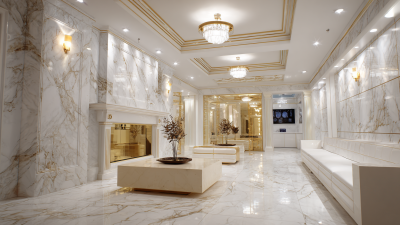
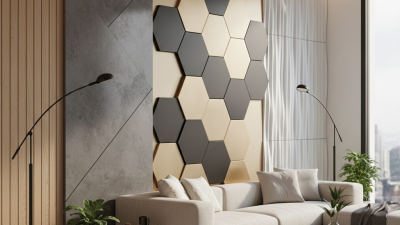
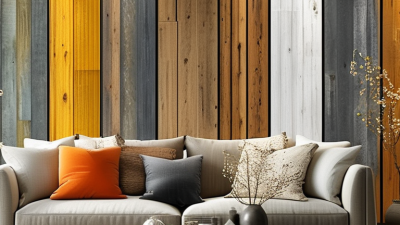
SPC wall panels are gaining popularity due to their aesthetic versatility. They offer a wide range of design options suitable for various interior styles. According to a recent industry report, around 70% of contractors prefer using SPC panels for their flexibility in design. This material can mimic natural wood, stone, or even modern patterns, making it easy to fit into any project theme.
Interior designers appreciate the endless possibilities that SPC panels bring. Whether you desire a rustic look or a sleek contemporary feel, these panels cater to diverse tastes. The texture and color variations available enhance the visual appeal of any space. SPC panels can be easily customized, allowing for unique designs that express individual style.
However, while SPC panels are versatile, it's essential to evaluate your specific needs. Not every design may suit every setting. One must consider factors like space size, lighting, and existing decor. A well-informed decision often leads to better outcomes in aesthetic satisfaction. Balancing creativity with practicality is vital. As recent surveys suggest, 65% of homeowners prioritize aesthetics, but 45% struggle with integrating new materials into their established spaces.




 Send Email
 whatsapp
 Whatsapp
