How to Choose the Best Wall Panel for Interior Design?
Choosing the best wall panel for interior design can be daunting. Renowned interior designer Sarah Thompson emphasizes, “The right wall panel transforms a space.” Her insights highlight the importance of selecting the perfect wall panel for interior aesthetics.
Wall panels can significantly alter the ambiance of a room. They add texture and depth, making spaces feel more inviting. However, with numerous options available, making the right choice can be challenging. It’s essential to consider not just the style, but also the material, texture, and durability of the wall panel for interior use.
Taking the time to explore various designs is crucial. Reflect on personal style and the overall theme of the space. Remember, wall panels should complement existing decor while enhancing functionality. Consider how light interacts with different materials, as this can deeply affect your room's atmosphere. Selecting the right wall panel for interior design is not merely a task; it requires introspection and attention to detail. Be open to mistakes, as each choice offers valuable lessons that can ultimately lead to a more harmonious home.
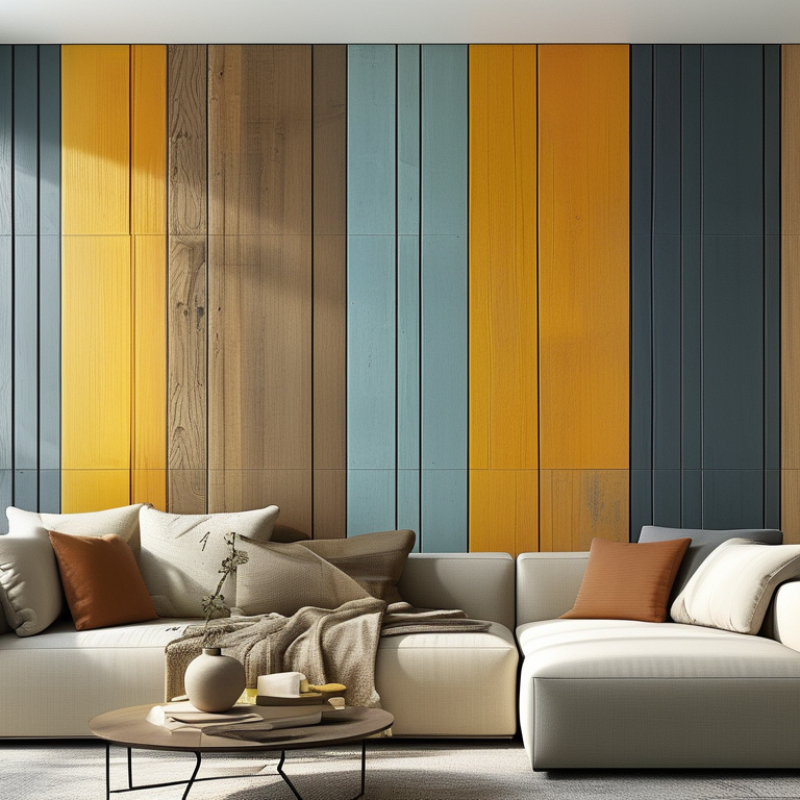
Understanding the Different Types of Wall Panels Available
When exploring wall panels for interior design, understanding their types is essential.
Wall panels come in various materials such as wood, vinyl, and gypsum.
Each type serves distinct purposes. For example, wooden panels offer warmth and elegance.
Vinyl panels are versatile and waterproof, making them suitable for bathrooms or kitchens.
Gypsum panels, being fire-resistant, provide safety alongside aesthetic appeal.
According to recent industry reports, the interior wall panel market is expected to grow substantially.
In 2022, the global market was valued at approximately $1.5 billion.
Studies indicate that demand for eco-friendly materials influences choices.
Sustainable wood panels, for instance, can reduce carbon footprints, aligning with modern design principles.
However, cost and maintenance may pose challenges for some options.
Choosing the right panel requires thoughtful consideration.
Aesthetic preferences and functionality need balance.
Some panels may not perform well in specific environments.
For instance, wooden panels in humid regions can warp over time.
Analyzing material durability is crucial to avoid future regrets.
Each type of wall panel has its pros and cons, so thorough research is vital for achieving the desired outcome in any interior space.
Evaluating Materials: Wood, PVC, MDF, and More
When it comes to choosing wall panels, materials play a crucial role. Wood is a classic choice, offering warmth and durability. Its natural grains add character to any room. However, maintaining wooden panels can be challenging. They may warp or fade over time. It’s essential to consider climate and humidity levels in your space.
PVC, on the other hand, is lightweight and flexible. It's resistant to moisture, making it ideal for bathrooms and kitchens. The variety of designs available can mimic the look of wood or stone. Yet, some people feel PVC lacks the authenticity found in natural materials.
MDF provides a middle ground between wood and PVC. It’s relatively affordable and easy to work with. The smooth surface allows for versatile finishes. Still, it’s not as sturdy as solid wood and may not withstand heavy impacts. Each material has its own strengths and weaknesses, and your choice should reflect your design vision and practical needs.
How to Choose the Best Wall Panel for Interior Design?
| Material |
Cost ($/sq ft) |
Durability (Years) |
Maintenance |
Eco-Friendliness |
| Wood |
$3 - $12 |
10 - 50 |
High, requires sealing |
Moderate |
| PVC |
$2 - $6 |
20 - 30 |
Low, easy to clean |
Low |
| MDF |
$1 - $4 |
10 - 20 |
Moderate, requires paint |
Moderate |
| Gypsum Board |
$1.50 - $5 |
30 - 50 |
Low, regular maintenance |
High |
| Stone |
$7 - $20 |
50+ |
Very low |
High |
Determining the Right Style for Your Interior Design Theme
When determining the right style for your interior design theme, consider the existing elements in your space. Analyze your furniture, color palette, and lighting. Choose wall panels that complement these aspects rather than clash with them. For instance, a sleek, modern panel works well in a contemporary space, while a textured wood finish enhances a rustic theme.
Textures can transform your interior. Consider fabric or 3D panels to add depth. Assess how these textures interact with natural light. Reflective surfaces can make a room feel airy, while matte finishes add warmth. Experimenting with different styles may uncover surprising results. If something feels off, reevaluate your choices. There’s value in trial and error.
Remember, the best wall panel isn't always the most popular. Personal taste should guide your selection. What resonates with you will ultimately create a space that feels inviting. Avoid the pressure of perfection. Your home should reflect your uniqueness, not a designer's vision. Embrace imperfections as part of the journey.
Considering Acoustic and Insulation Properties of Wall Panels
Choosing the right wall panel for interior design goes beyond aesthetics.
Acoustic and insulation properties play a crucial role. The type of material chosen can significantly impact
sound absorption and thermal regulation. According to the Journal of Building Acoustics, materials like
acoustic panels can reduce sound transmission by up to 70%.
Dense materials such as fiberglass and mineral wool are excellent for sound insulation. They absorb sound waves instead of
reflecting them, creating a quieter environment. Recent studies indicate that well-insulated spaces improve overall comfort.
A study by the National Institute of Standards and Technology shows that proper thermal insulation can lead to energy
savings of up to 30%.
However, some panels may look appealing but perform poorly in acoustics. Designers often overlook these aspects. Choosing
visually attractive panels can result in echo or noise issues. It’s essential
to balance style with function.
Investing time in researching materials can lead to a more harmonious living space.
Budgeting and Installation Factors for Wall Panel Selection
When selecting wall panels for your interior design project,
budgeting and
installation play critical roles.
Consider the materials you choose.
Solid wood panels can be stunning but are often
more expensive than other options. Alternatively, vinyl panels
offer a cost-effective solution, suitable for many aesthetics.
Understand your budget to determine which materials can fit within your financial constraints.
Installation time and complexity can influence both your budget and your choice of wall panels.
Some panels, like tongue-and-groove wood, may require
professional assistance, potentially increasing labor costs. On the other hand,
peel-and-stick panels can often be installed by DIY enthusiasts,
saving you money but requiring careful alignment. Always factor in potential hidden costs,
such as adhesive or tools needed for installation.
It's essential to think about maintenance as well.
Certain finishes may be easier to clean but require more upfront investment.
The longevity of your chosen panels should also be considered. Will they still look good in a few years?
Reflect on your choice before making a final decision.
Keep in mind that the perfect look must align with
practicality and sustainability. Your workspace should inspire, not just visually impress.





 Send Email
 whatsapp
 Whatsapp
