How to Choose Rigid Spc Vinyl Flooring for Your Home?
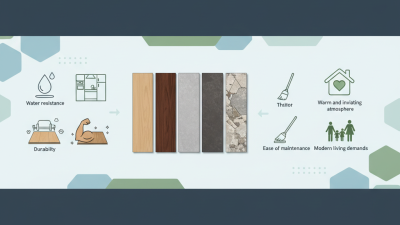
Choosing the right flooring for your home can be daunting. Rigid SPC vinyl flooring has gained popularity recently due to its durability and aesthetic appeal. According to industry expert Sarah Magnus, "Rigid SPC vinyl flooring combines beauty and strength in a way that few materials can." This flooring type is not only water-resistant but also easy to maintain, making it suitable for various spaces within a home.
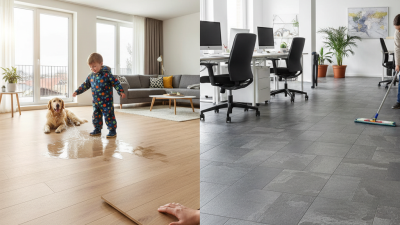
When selecting rigid SPC vinyl flooring, consider factors such as style, color, and texture. Flooring can significantly impact your home's ambiance. While elegant designs are appealing, they must also align with your lifestyle needs. For example, a busy household may require scratch-resistant and easy-to-clean options. Exploring different brands and their offerings is crucial, as quality varies widely.
You may initially find the choices overwhelming. Take your time to research and compare products. Gather samples to see how they look in your home lighting. Trust your instincts but also seek advice from professionals. The right flooring will enhance your space and provide comfort for years to come.
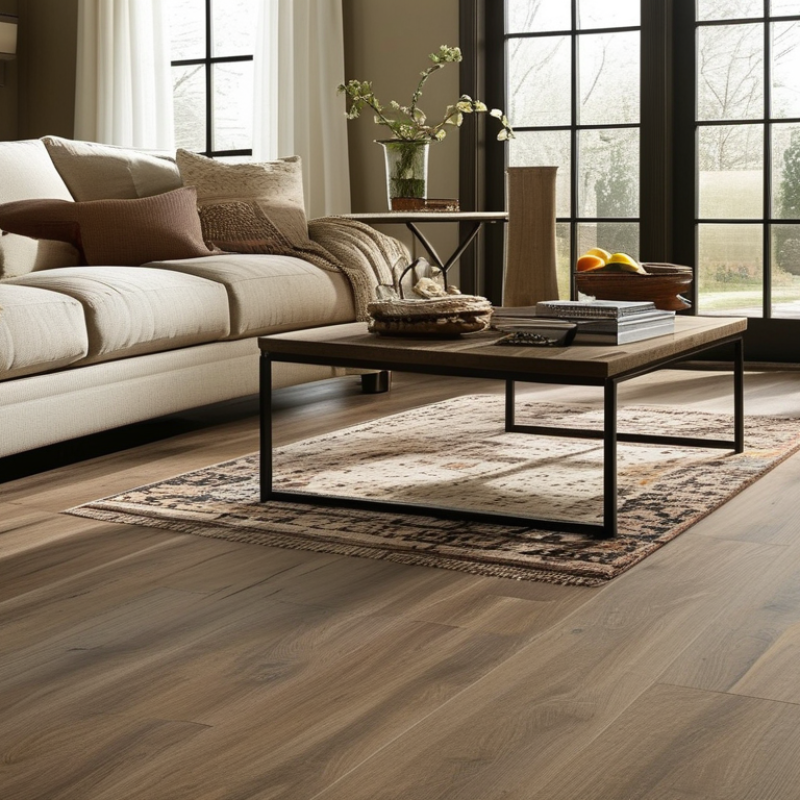
Factors to Consider When Choosing Rigid SPC Vinyl Flooring
Choosing the right rigid SPC vinyl flooring involves several considerations. One major factor is durability. Rigid SPC flooring can withstand heavy foot traffic, which makes it suitable for residential and commercial spaces. According to industry reports, SPC flooring can endure impacts up to 2,000 psi, ensuring it holds up in busy households.
Another important aspect is waterproofing. Many SPC vinyl options feature a protective wear layer, making them resistant to water damage. This is particularly vital in moisture-prone areas like kitchens and bathrooms. A study conducted by the National Association of Home Builders found that over 60% of homeowners prioritize water-resistant features when selecting flooring.
Additionally, consider the aesthetic appeal. SPC vinyl comes in various styles that mimic natural materials like wood and stone. However, it’s essential to balance appearance with performance. Some designs may not perform as well as others. Always examine technical specifications, such as thickness and warranty details. This ensures a more informed choice for your home.
Factors Influencing the Choice of Rigid SPC Vinyl Flooring
The Importance of Thickness in Rigid SPC Vinyl Flooring
When choosing rigid SPC vinyl flooring, thickness plays a crucial role. The thickness of SPC planks typically ranges from 4mm to 8mm. A thicker plank often provides better sound insulation and sturdiness. However, choosing a floor that is too thick can lead to complications during installation. It’s vital to assess your specific needs.
For residential spaces, a thickness of 5mm to 7mm is often ideal. This range balances durability and comfort. Thicker options are better for high-traffic areas. However, if you're on a budget, thinner options can still work well. They can effectively mimic the look of hardwood or stone while being lighter on your wallet.
Remember to consider the subfloor condition. A perfect subfloor allows for easier installation of thicker planks. If your subfloor has high moisture levels, a thinner plank may warp or buckle. Evaluating the environment where the flooring will be installed is critical. It can save you potential headaches down the line. Always aim for a thorough assessment, yet be open to adjusting your preferences based on real-world conditions.
Comparing Different Wear Layers for Longevity and Durability
Choosing the right rigid SPC vinyl flooring for your home involves understanding wear layers. A wear layer is the topmost part of the flooring that protects against scratches, stains, and fading. Industry reports indicate that wear layers typically range from 6 mils to 30 mils. A 20 mil wear layer is ideal for residential settings, while commercial applications may require 30 mil or higher for extra durability.
Different thicknesses offer varying levels of protection. For instance, a 12 mil wear layer is suitable for moderate foot traffic. However, it may not hold up in high-traffic areas like hallways or kitchens. Conversely, a more robust 20 mil layer can withstand heavier usage and is often associated with longer life spans. According to the National Floor Manufacturers Association, proper maintenance can extend the life of SPC flooring, making the choice of wear layer crucial for homeowners.
Selecting the right wear layer is also a balance of cost and performance. Higher mil layers protect better but come with added costs. It's essential to weigh the trade-offs between affordability and durability. A poorly chosen wear layer might lead to premature wear and the need for costly replacements. Homeowners should reflect on their lifestyle and usage to make informed decisions.
How to Choose Rigid Spc Vinyl Flooring for Your Home? - Comparing Different Wear Layers for Longevity and Durability
| Wear Layer Thickness |
Durability Rating |
Ideal Use |
Lifespan (Years) |
Cost per Square Foot |
| 6 mil |
Residential |
Light residential areas |
5-10 |
$2.50 |
| 12 mil |
Medium Commercial |
Moderate foot traffic |
10-15 |
$3.50 |
| 20 mil |
Heavy Commercial |
High traffic areas |
15-20 |
$4.50 |
| 30 mil |
Extreme Commercial |
Heavy industrial settings |
20+ |
$5.50 |
Understanding the Role of Core Materials in SPC Flooring Choices
When selecting rigid SPC vinyl flooring for your home, understanding core materials is essential. The core significantly impacts durability, comfort, and sound absorption. A high-quality core can enhance stability, making the flooring suitable for various environments. For instance, thicker cores tend to provide better support and longevity.
Different types of core materials offer unique benefits. A dense core can resist impacts, while a waterproof core protects against moisture damage. However, heavier cores may contribute to a less flexible flooring solution. This can limit installation options in certain spaces. Choosing a core that aligns with your specific needs can be challenging.
It's crucial to weigh the pros and cons of different core types. For example, some may prioritize water resistance over comfort, while others focus on aesthetic appeal. Reflecting on usage patterns in your home is a good practice. How often will the flooring endure heavy foot traffic? Are there pets or children in the household? These considerations will help guide your decision. Ultimately, a thoughtful approach can lead to a more satisfying flooring choice.
Evaluating Installation Methods and Maintenance for SPC Flooring
When considering SPC vinyl flooring for your home, installation and maintenance are key factors. SPC stands for Stone Plastic Composite, which is known for its durability. Reports indicate that SPC flooring can withstand heavy foot traffic and resist water damage, making it ideal for various environments.
Installation methods can vary, with options ranging from glue-down to click-lock systems. The click-lock option may appeal to DIY enthusiasts due to ease of installation.
Maintenance of SPC flooring is relatively straightforward. Regular sweeping and occasional damp mopping help maintain its appearance. However, neglect can lead to scuff marks and scratches. In fact, up to 40% of homeowners report dissatisfaction with their flooring maintenance routines. Investing time in a cleaning schedule can enhance the lifespan of SPC flooring. While many appreciate its resilience, understanding the proper maintenance techniques is crucial. A lack of knowledge can result in costly repairs or premature replacement.



 Send Email
 whatsapp
 Whatsapp
