Top Installation Tools For SPC Flooring in 2026 What to Know?
In the evolving world of flooring, the installation process remains crucial. The demand for SPC (Stone Plastic Composite) flooring is rising rapidly, projected to reach $8.11 billion by 2026, as highlighted by Flooring Technology Insights. A significant factor in this growth is the effectiveness of Installation Tools For SPC.
Expert Mark Thompson, a renowned figure in the flooring industry, states, "The right tools can dramatically enhance installation efficiency and quality." However, many installers still overlook tool selection or lack knowledge of the latest advancements. While some tools have been in use for years, emerging innovations can transform traditional methods.
Effective installation not only depends on the flooring material but also on quality tools. Fortunately, the market is responding. New innovations are coming in thick and fast. Installers now face the challenge of adapting to these tools. Balancing quality and cost is essential but often complex. In 2026, mastery of Installation Tools For SPC will define success in this competitive market.
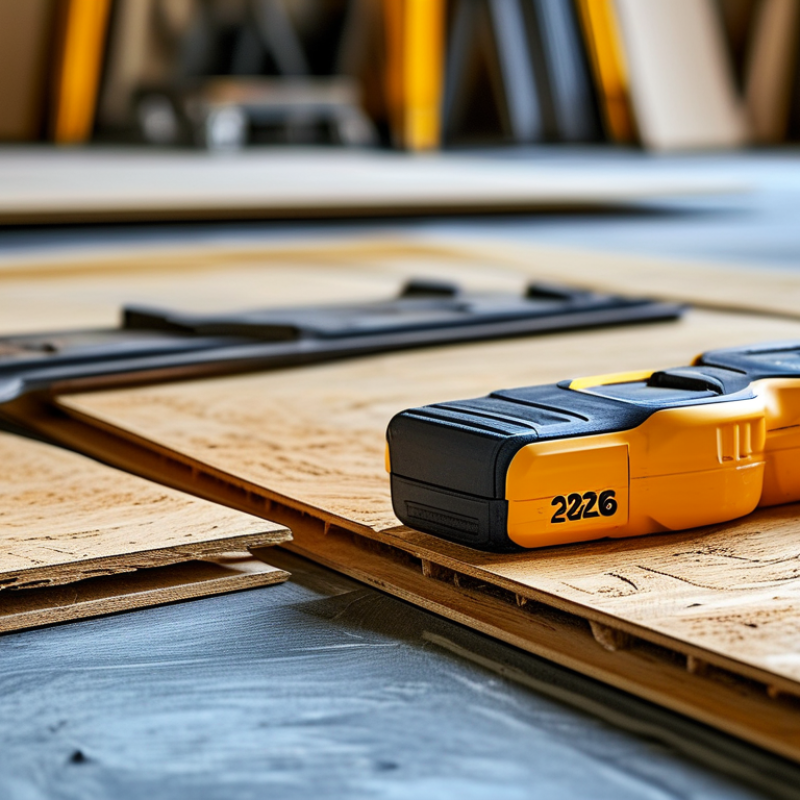
Essential Tools for Installing SPC Flooring in 2026
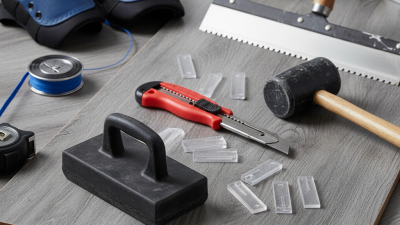
Installing SPC flooring requires specific tools to achieve the best results. When selecting tools, consider durability and ease of use. A reliable utility knife is essential for precise cuts. Make sure the blade is sharp for clean edges. A measuring tape is crucial for accuracy. Measure twice to avoid costly mistakes.
Another important tool is a tapping block. It helps to lock the planks together without damaging the surface. This tool ensures a tight fit, which prevents gaps or movement in the flooring. While a mallet can provide extra force, use it carefully. Striking too hard can lead to fractures in the planks.
Additionally, a level tool is necessary to check the subfloor before installation. An uneven subfloor can result in an unstable surface, leading to problems later. Keep in mind that some areas may require adjustments for a perfect fit. Sometimes, it takes several attempts to achieve a seamless look. Thoroughly examining the installation process enhances the overall quality of your project.
Preparing Your Workspace for SPC Flooring Installation
Preparing your workspace for SPC flooring installation is crucial. Start by ensuring the area is clean and free from debris. Dust and unwanted materials can affect the flooring’s adhesion. A clutter-free space promotes accuracy in measurement and installation. According to a recent report from the
National Flooring Association, professional installations with a clear workspace lead to an 80% reduction in common errors.
Temperature and humidity must be controlled for optimal results. SPC flooring performs best in areas with consistent conditions. Ideally, the temperature should be between 65°F and 85°F. Humidity levels should stay between 30% and 50%. Failure to maintain these conditions can lead to material expansion or contraction over time. It's essential to acclimate the flooring before installation; typically, this means leaving them in the room for at least 48 hours.
Take time to inspect the subfloor. This step is often overlooked but is pivotal in ensuring the longevity of the flooring. Any imperfections need to be addressed. Moisture testing is also advisable to prevent complications later. A report from the
Flooring Contractors Institute indicates that improper subfloor preparation can lead to a 60% increase in customer complaints post-installation.
Step-by-Step Process for Installing SPC Flooring
Installing SPC flooring can be a rewarding yet challenging project. Understanding the step-by-step process is crucial for achieving satisfactory results. The National Wood Flooring Association highlights that proper installation can significantly affect the flooring's lifespan and performance. Most errors occur during the preparation phase, underscoring the importance of a solid foundation.
Begin by assessing the subfloor. It should be dry, clean, and level. Small imperfections can lead to larger issues down the line. Consider using a leveling compound for uneven spots. According to industry standards, a subfloor moisture level of 12% or less is ideal. The next step involves laying underlayment, which aids in sound absorption and moisture barrier, enhancing overall comfort.
When laying the planks, stagger the seams by at least six inches. This pattern not only improves aesthetics but also strengthens the floor. Some installers may overlook this detail, leading to potential weaknesses. A minimum expansion gap of 1/4 inch is also advised around the perimeter. This gap allows for natural expansions due to temperature changes. Following these steps meticulously can lead to a successful and durable SPC flooring installation, satisfying both visual and functional needs.
Maintenance Tools to Enhance SPC Flooring Longevity
Maintaining SPC flooring is vital for its durability and longevity. Regular upkeep can increase its lifespan significantly. A report by the National Wood Flooring Association suggests that routine maintenance can extend the life of flooring systems by up to 30%. Investing time in proper care is essential.
One primary maintenance tool is a soft-bristle broom or vacuum designed for hard surfaces. Dust and dirt can scratch the surface, dulling its appearance. Using a damp mop with a PH-balanced cleaner can lift stubborn stains while ensuring the integrity of the flooring. Additionally, using protective pads on furniture helps prevent gouges and scratches that can be challenging to repair.
It’s crucial to be aware of the environment. High humidity can affect SPC flooring, leading to expansion and contraction. Regularly checking humidity levels can prevent long-term damage. Not everyone realizes the importance of these maintenance steps. Neglecting them can result in premature wear, which is costly. An estimated 20% of homeowners overlook basic maintenance, leading to avoidable repairs. Therefore, investing in the right tools and habits is not just beneficial — it is a necessary practice for anyone wanting to preserve their flooring investment.
Technological Advancements in SPC Flooring Installation Tools
The world of SPC flooring installation tools is rapidly evolving. Each advancement enhances efficiency and precision. New technologies are making installations faster and simpler. Modern tools often feature lightweight materials that improve usability. Automated equipment is also on the rise, allowing for seamless integration of SPC planks.
One notable trend is the development of laser-guided installation tools. These devices help installers align their work with pinpoint accuracy. It reduces the risk of errors, leading to smoother finishes. Additionally, some companies are experimenting with smart tools that provide real-time feedback during installation. This helps installers troubleshoot issues promptly.
Despite these advancements, challenges remain. Many installers may struggle to adapt to new technologies. Training becomes essential to ensure everyone understands the latest tools. The shift towards automation could also raise concerns about job security in the industry. Balancing technology with skilled labor continues to be a key consideration for the future of SPC flooring installations.





 Send Email
 whatsapp
 Whatsapp
