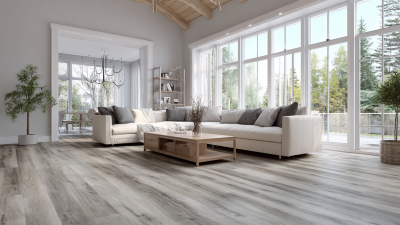
Choosing the best Spc Flooring For Bathroom requires more than comparing colors and plank prices. Bathrooms face repeated splashes, warm steam, cleaning chemicals, and trapped moisture beneath fixtures. A beautiful floor can still fail if water reaches an unsealed edge.
The U.S. Environmental Protection Agency recommends indoor relative humidity below 60%, ideally between 30% and 50%. That guidance matters in bathrooms, where poor ventilation can keep grout lines, walls, and subfloors damp for hours. EPA moisture-control guidance also emphasizes rapid drying and effective exhaust ventilation. SPC flooring helps because its rigid core resists routine water exposure and offers stable performance during temperature changes. However, it is not automatically waterproof as an installed system. Seams, transitions, pipe penetrations, and the subfloor still require careful detailing.
Product evidence deserves equal attention. The Resilient Floor Covering Institute explains that FloorScore certification evaluates flooring and adhesives for volatile organic compound emissions under the CDPH Standard Method. That does not prove every bathroom product is suitable. Check the technical sheet, wear-layer thickness, slip-resistance information, installation limits, and warranty exclusions. A 2024 Grand View Research analysis also places rigid vinyl products within the wider growth of resilient flooring, reflecting stronger demand for durable, low-maintenance surfaces. Market growth is useful context, not a quality guarantee.
Real bathrooms are rarely perfect. A loose toilet seal or weak extractor can defeat excellent flooring. This guide compares SPC constructions, surface textures, locking systems, waterproofing details, and maintenance demands. The goal is practical: a floor that feels steady under bare feet, cleans easily, and remains dependable after years of steam and splashes.
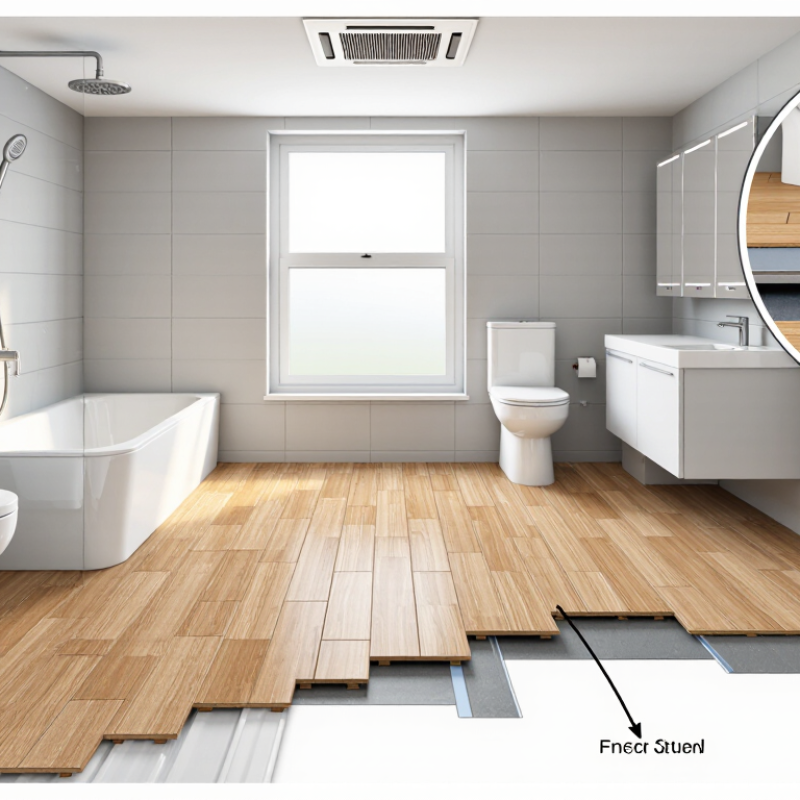
SPC flooring suits bathrooms because its dense, closed core resists everyday water exposure. However, “waterproof” does not mean every installation is leakproof. Water can still enter through poorly sealed edges, joints, toilets, or damaged trim. ASTM F3261 identifies rigid polymer-core flooring as a distinct resilient flooring category, but installation quality remains decisive. The best bathroom SPC should have tightly locking joints, sealed perimeter gaps, and a manufacturer-approved underlayment.
Safety matters more than marketing claims. ANSI A326.3 recommends a wet dynamic coefficient of friction of at least 0.42 for level interior surfaces, although test results do not guarantee identical performance under soap or hair products. Look for a textured wear layer and verify the product’s wet-slip documentation. It feels safer underfoot.
Moisture control also protects the subfloor. The U.S. Environmental Protection Agency recommends indoor relative humidity between 30% and 50%, supported by ventilation and prompt drying. A working exhaust fan helps after hot showers. SPC handles bathroom humidity better than many wood-based materials, yet it cannot correct standing water or an uneven subfloor. I would not call it maintenance-free. That assumption is too neat. Regularly inspect silicone joints, clean spills quickly, and leave expansion space where the installation instructions require it.

A bathroom needs an SPC core that resists water absorption and dimensional movement. Stone-plastic composite construction provides a rigid base, but “waterproof” does not mean every installation is watertight. Check independent test data, core density, and the manufacturer’s moisture limits. A stable core should feel firm underfoot, without soft spots or excessive flexing. Thicker planks can help, but thickness alone does not guarantee quality. The subfloor still needs to be clean, level, and dry.
The surface deserves equal attention. Choose a wear layer suited to household traffic, especially near sinks and shower entrances. A textured finish can improve grip when small water drops hit the floor. Look for realistic embossing rather than a deep pattern that traps soap and dust. A matte, low-gloss surface usually hides footprints better. It also feels less slippery than a polished finish. However, texture is not a substitute for verified slip-resistance testing.
The locking joints matter more than many buyers expect. Tight connections reduce paths for moisture, while poor cutting can expose vulnerable edges. Leave the required expansion space and seal transitions carefully around toilets, tubs, and doorways. Avoid relying on surface coating alone. I still question any claim that treats SPC as maintenance-free; standing water, harsh cleaners, and hidden leaks can damage surrounding materials. Inspect seams regularly. Small gaps deserve attention before they become larger problems.
What Is the Best SPC Flooring for Bathrooms?
In bathrooms, waterproofing starts beneath the visible surface. SPC flooring usually resists water well because its stone-plastic core does not readily swell. However, joints, edges, and damaged areas remain vulnerable. Water can enter around toilets, tubs, and poorly sealed doorways. A reliable installation needs a level, dry subfloor, tight seams, and suitable perimeter sealing. SPC is not magic. Manufacturer installation instructions still matter.
Slip resistance deserves careful checking. Do not trust labels such as “safe” or “non-slip” without test information. Ask for wet slip-resistance results from recognized independent testing. Textured surfaces can improve grip, especially near a shower entrance. Yet deep textures may collect soap and require more cleaning. Bare feet also change the experience. A surface that feels secure with dry hands may feel different under wet feet.
Durability depends on more than board thickness. Check the wear layer, locking system, dimensional stability, and resistance to household chemicals. Thicker boards may feel stronger, but poor subfloor preparation can cause movement and broken joints. Furniture legs, grit, and repeated moisture exposure create practical stress. A cautious installer should inspect the bathroom slope and ventilation before fitting the floor. I would compare technical documents, warranty conditions, and independent test reports, rather than choosing by appearance alone. Even then, real performance can vary with installation quality.
Comparison of common bathroom flooring options across waterproofing, wet slip resistance, and durability. Scores use a 1–5 scale, where 5 indicates the strongest overall performance.
Key takeaway: A textured SPC floor with a 20 mil wear layer offers a strong balance of water resistance, underfoot grip, and everyday durability. Porcelain tile can achieve excellent waterproofing and durability, but grout maintenance and surface temperature may be less comfortable.
Scores are comparative material-level guidance rather than product certification. Actual wet slip performance depends on surface texture, contamination, installation quality, and whether the product has a published wet DCOF or equivalent test result.
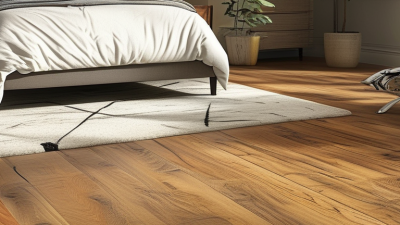
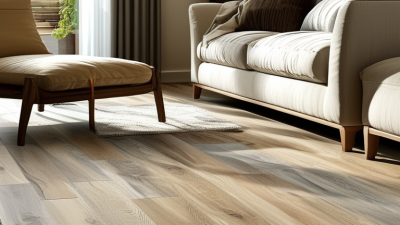
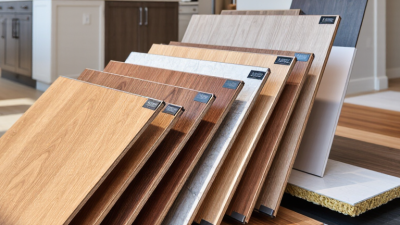
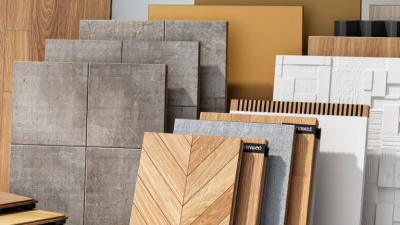
Bathroom SPC flooring works best when its design supports safety, maintenance, and balanced visual proportion. Stone, terrazzo, and muted concrete patterns hide small water marks better than pale solid colors. Wood-look planks can soften the room with warm oak tones and narrow grout lines. Choose a matte, lightly textured surface instead of a glossy finish. Gloss shows splashes. Large patterns may look impressive in a showroom but feel busy in a compact bathroom. Always view samples beside the vanity under daylight and warm lighting.
Installation quality matters more than a fashionable pattern. SPC is water-resistant, not a reason to ignore leaks. Install it over a flat, dry, rigid subfloor with no soft spots or sudden height changes. A click-lock floating system is practical for many bathrooms, but it still needs the specified expansion gap. Seal the perimeter carefully around walls, cabinets, and pipe openings. Keep the flooring outside direct shower spray unless the installation system is specifically approved for that area. Bathrooms punish shortcuts.
Before cutting, remove the toilet and plan the joint positions around the flange. Use a moisture meter when the subfloor condition is uncertain. A glued installation may work well in awkward rooms, but the adhesive and substrate must be compatible. Follow the flooring instructions, not memory. Even experienced installers can misjudge a doorway transition or leave an uneven cut behind the toilet. I would rather spend extra time on those details than repair a swollen edge later. Water still wins.
| Design or Installation Factor | Recommended Bathroom Choice | Typical Specification or Method | Why It Works Well | Important Installation or Use Note |
|---|---|---|---|---|
| Core construction | Rigid SPC core with a sealed wear layer | Stone-plastic composite core, decorative film, protective wear layer, and factory-finished surface | The mineral-based rigid core does not readily absorb water and provides dimensional stability | SPC itself is water-resistant, but water can still pass through open joints, damaged edges, or unsealed perimeters |
| Surface texture | Lightly embossed, matte, low-gloss texture | Textured surface that follows the printed wood, stone, or concrete pattern | Provides better underfoot grip than a highly polished surface and conceals light water marks | No flooring surface is completely slip-proof; remove standing water promptly |
| Wood-look design | Mid-tone oak, ash, or other natural plank appearance | Planks commonly installed in a staggered layout with end joints offset from one row to the next | Adds warmth and works well with white, gray, or natural bathroom fixtures | Choose moderate variation; very dark or highly glossy designs may show dust, hair, and water spots more clearly |
| Stone-look design | Porcelain, slate, limestone, or terrazzo-inspired visual | Large-format rectangular or square planks with subtle grout-line patterns | Creates a clean, spa-like appearance without the weight and installation complexity of natural stone | A printed grout-line effect is decorative; it does not replace waterproof tile joints in a shower enclosure |
| Color selection | Light to medium neutral shades | Warm gray, beige, greige, light oak, or muted stone tones | Reflects more light in small bathrooms and generally disguises minor dust and splash marks | Very light surfaces may show dirt, while very dark surfaces may show mineral deposits and lint |
| Plank or tile format | Format selected to suit the room size and layout | Long planks visually lengthen narrow rooms; tile-look panels can make layouts appear more structured | Fewer unnecessary cuts can reduce installation waste and improve the visual balance of the floor | Plan the layout before cutting so narrow strips are avoided along prominent walls and doorways |
| Installation method | Floating click-lock installation | Interlocking boards installed over a clean, dry, firm, and level subfloor without full-surface adhesive | Fast installation, easy board replacement, and suitable for many residential bathroom renovations | Follow the product instructions for expansion gaps, underlayment, transitions, and perimeter sealing |
| Adhesive installation | Glue-down SPC where specified for the product and substrate | Boards or tiles bonded to a properly prepared subfloor using a compatible flooring adhesive | Can reduce movement and may work well in complex layouts or areas requiring a firmly bonded floor | Adhesive choice, moisture testing, open time, and substrate preparation must match the flooring instructions |
| Subfloor preparation | Smooth, structurally sound, dry, and level substrate | Remove loose material, repair cracks or dips, clean the surface, and verify flatness according to the product instructions | Prevents joint stress, clicking sounds, visible unevenness, and premature wear | Do not use SPC to hide major subfloor defects; concrete moisture levels should be checked before installation |
| Expansion allowance | Perimeter gap required for floating floors | Leave the gap specified by the flooring instructions around walls, cabinets, pipes, and fixed objects | Allows the floor to accommodate normal dimensional movement without buckling | Cover the gap with suitable trim or sealant; do not fasten floating flooring to the subfloor |
| Bathroom perimeter sealing | Flexible, bathroom-compatible sealant at vulnerable edges | Seal appropriate transitions and exposed edges near tubs, toilets, basins, and doorways while preserving required movement | Reduces the chance of surface water reaching the subfloor through perimeter openings | Do not block designed drainage paths or seal areas contrary to the installation instructions |
| Shower and wet-zone use | Use only where the flooring system is specifically approved for that exposure | A bathroom floor outside the shower is a different application from a continuously wet shower floor or wall | Prevents misuse of a water-resistant floor product in an area requiring a complete waterproofing system | SPC flooring should not automatically be treated as a substitute for a fully waterproofed shower assembly |
| Cleaning and maintenance | Routine sweeping or vacuuming followed by a lightly damp mop | Use a pH-neutral cleaner suitable for resilient flooring and remove spills without prolonged soaking | The sealed surface is generally easy to clean and does not require grout sealing | Avoid abrasive powders, harsh solvents, steam cleaning unless approved, and standing water |
| Overall best choice | Textured, matte, mid-tone SPC with a reliable click-lock system | Install over a prepared subfloor using the specified floating method, with correct perimeter gaps and edge protection | Combines water resistance, practical maintenance, visual versatility, and efficient installation | The installation quality and bathroom moisture management are as important as the flooring design itself |
Choosing the best SPC flooring for a bathroom starts with moisture control, not appearance. The U.S. Environmental Protection Agency recommends keeping indoor humidity between 30% and 50%. Therefore, select flooring with tight joints, stable locking edges, and a waterproof core. SPC is useful because its stone-polymer core resists swelling better than many wood-based products. Still, “waterproof” does not mean installation-proof.
Check the technical documentation carefully. Look for compliance with ASTM F1700 or ISO 10582, which address resilient floor covering performance. Low-emission certification also matters in a small bathroom. The California Department of Public Health Standard Method V1.2 is widely used for indoor emissions testing.
A credible product should provide test results, not vague claims. Ask about slip resistance, dimensional stability, and recommended underlayment. Glossy surfaces may look elegant, but wet feet can make them less practical.
Measure the room, including the area around the toilet and vanity. Leave the manufacturer’s expansion gap, even in a compact space. Seal perimeter edges where splash water may collect.
I once underestimated this detail, and moisture found the smallest opening. That mistake was avoidable.
Choose textured, light-colored planks if cleaning visibility and safer footing matter. Thicker flooring can feel more solid, but thickness alone does not prove better bathroom performance. Evaluate the full system: core, wear layer, joints, subfloor, and installation method.