I can’t responsibly attribute a quotation to a named SPC Flooring expert without a source. Please provide the expert’s name and verified quote, and I can write the introduction to match your requirements.
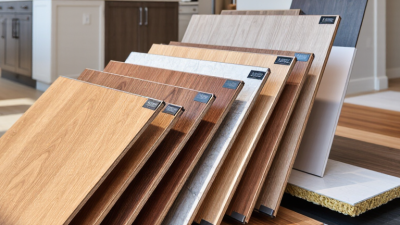
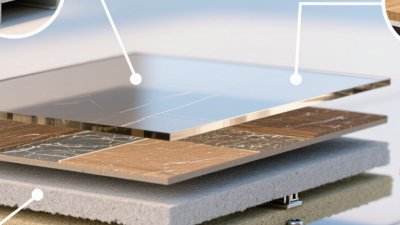
SPC flooring is a rigid-core form of resilient flooring. Its name usually refers to a core made from polyvinyl chloride, calcium carbonate, and processing additives. The recipe varies by manufacturer; there is no single universal formula. Not solid stone. A typical plank layers a clear wear surface over a printed film, the SPC core, and sometimes an attached backing. At a cut edge, the core often looks dense and mineral-filled, while the locking profile reveals how the planks connect.
ASTM International’s F3261-20 specification covers modular resilient flooring with a rigid polymeric core. It sets product-performance requirements, not one fixed ingredient recipe, so check technical sheets for a specific product.
Grand View Research valued the global luxury vinyl tile market at USD 25.6 billion in 2023; that category includes more than SPC, so the figure is context, not an SPC sales total.
The hard core helps resist everyday dents, but it cannot correct an uneven subfloor. Small dips may telegraph through the surface or stress the joints. “Rigid” is not invulnerable. A careful installer checks the floor with a straightedge before laying the first plank.
SPC flooring pairs a rigid stone-polymer core with a wear layer, helping planks resist dents from chair legs and everyday foot traffic. “Rigid” does not mean indestructible. Heavy furniture can still mark a surface, especially when dragged. ASTM F3261-20, the standard for modular resilient flooring, sets performance criteria for products in this category. ASTM F970 measures a floor’s resistance to static loads, a useful test when comparing claims about furniture pressure. Ask for the actual test results, not just the words “commercial grade.”
Moisture resistance is another practical strength: a spilled drink can usually be wiped from the surface before it reaches the core. But water may still seep through joints or around poorly sealed edges. The Resilient Floor Covering Institute’s FloorScore program evaluates indoor-air emissions using California’s CDPH Standard Method, so buyers can check whether a specific product has verified emissions data. Look for dimensional-stability and indentation results, too. They help explain how flooring may behave near sunny windows or beneath a sofa. Small details matter. A rigid core can feel firm underfoot, and the room’s subfloor still needs to be flat; SPC will not fix every dip. I would want those test sheets before relying on a bold durability claim.
In homes, SPC flooring suits kitchens, entryways, laundry rooms, and busy living areas. Its rigid core handles everyday foot traffic, while a wear layer helps resist scratches and scuffs. A damp mop can clear muddy shoe prints. Useful, but not indestructible. Heavy furniture can still dent the surface, and standing water may seep through poorly fitted joints.
Commercial spaces use SPC in offices, small shops, clinics, and apartment corridors, where easy cleaning and consistent appearance matter. Choose a wear layer suited to expected traffic, and check that the installation system meets the subfloor’s needs. The global vinyl flooring market reached an estimated US$25.6 billion in 2023, according to Grand View Research’s Vinyl Flooring Market report. The report projects 5.2% annual growth from 2024 to 2030. That figure covers vinyl flooring broadly, not SPC alone, but it reflects sustained demand for resilient floors.
In a café or reception area, rolling chairs and grit can wear the finish faster than expected. Entry mats help, and careful joint installation matters near sinks and exterior doors. Not everywhere. Sun exposure, uneven subfloors, and the wrong underlay can affect performance, so product specifications deserve a close read before installation.
SPC flooring’s popularity reflects a practical mix of water resistance, dimensional stability, and straightforward maintenance. Its stone-plastic composite core helps boards resist dents and movement better than many softer vinyl products, though performance still depends on product quality and installation.
Grand View Research estimated the global luxury vinyl flooring market at USD 25.6 billion in 2022 and projected a 6.7% compound annual growth rate from 2023 to 2030. This figure covers luxury vinyl flooring broadly, not SPC alone, but it signals strong demand for resilient flooring.
The appeal is easy to picture: muddy shoes at an entryway, a damp kitchen floor, or a busy rental corridor. Click-lock formats can also reduce installation time, while printed surface layers offer wood- and stone-like designs without the upkeep of those materials.
Still, SPC is not perfect. A rigid board may feel harder underfoot, and uneven subfloors can telegraph flaws or stress the joints. Market reports show growth, not a guarantee that every room suits the material.
Tips: Check the subfloor with a straightedge before installation. Follow the maker’s expansion-gap and underlayment instructions, and compare wear-layer specifications rather than judging samples by appearance alone. A small test area helps reveal the real feel.
SPC flooring resists dents and moisture, but its rigid core does not solve every installation problem. An uneven subfloor can leave boards flexing, joints stressed, or footsteps sounding hollow. The surface may feel hard underfoot, too. Before installation, check the floor’s flatness against its technical instructions; a thin plank can reveal dips that looked minor in an empty room. It is also worth checking sunlight exposure and room temperatures, since heat and direct sun can affect flooring materials over time. Not always visibly.
Indoor air quality deserves attention, too. The U.S. EPA’s The Inside Story: A Guide to Indoor Air Quality reports that indoor concentrations of some pollutants are often two to five times outdoor levels, and may exceed 100 times outdoor levels in unusual cases. These figures describe indoor air generally, not SPC flooring specifically. Still, they make product documentation relevant: ask for emissions testing and follow the manufacturer’s ventilation guidance. ASTM F3261 sets performance requirements for resilient flooring with rigid polymeric cores, but compliance alone does not guarantee suitability for every room, subfloor, or household. Check the product’s stated limits, acoustic requirements, and repair options. A damaged plank may require careful replacement rather than a quick surface fix. That can matter in busy kitchens.
| Factor | Why It Appeals to Buyers | Limitations | What to Consider Before Choosing |
|---|---|---|---|
| Water resistance | The stone-plastic composite core is resistant to water, making SPC a practical option for many kitchens, entryways, and other areas where occasional spills occur. | Water resistance does not make every installation waterproof. Water can pass through joints or perimeter gaps, and trapped moisture may affect the subfloor. | Check the product’s instructions for wet-area use, seal or finish edges as directed, and address leaks or standing water promptly. |
| Rigid construction | The firm core helps the flooring retain its shape and can make it more tolerant of minor surface imperfections than some flexible flooring products. | It cannot correct an uneven, unstable, or poorly prepared subfloor. Defects beneath the flooring may still cause movement, noise, or joint stress. | Follow the manufacturer’s requirements for subfloor flatness, cleanliness, dryness, and stability before installation. |
| Wear-layer protection | A transparent protective wear layer helps resist everyday scuffs, stains, and surface abrasion. | Performance varies by product and is not the same as being scratch-proof. Heavy furniture, grit, and sharp objects can damage the surface. | Compare wear-layer specifications and care instructions. Use furniture protectors, entrance mats, and suitable cleaning tools. |
| Installation options | Many SPC products use a click-lock system, which can allow floating-floor installation without adhesive on a suitable, prepared surface. | Installation is not automatically suitable over every existing floor. Soft coverings, loose flooring, or uneven surfaces may need removal or correction. | Confirm approved installation methods, transitions, expansion clearances, and whether an underlay is required or already attached. |
| Dimensional stability | The rigid core is designed to resist some movement associated with changes in temperature and humidity. | SPC can still expand or contract with temperature changes. Direct sunlight, heat sources, or installation without required clearances can contribute to problems. | Allow the product to acclimate when instructed, follow temperature limits, and provide the specified expansion gaps. |
| Comfort and sound | SPC is generally easy to clean and provides a firm, stable walking surface. | Its hard surface may feel less cushioned and can sound louder underfoot than some softer flooring types. An underlay may not be compatible with every product. | Consider room use, acoustic needs, and the product’s underlay guidance. Avoid adding extra padding unless the manufacturer permits it. |
| Repair and replacement | Individual planks may sometimes be replaced without removing an entire room’s flooring, depending on the installation and product system. | Replacing a plank can require access to surrounding boards or careful cutting, and an exact color match may be difficult if the floor has aged or the product is discontinued. | Keep spare planks from the same production batch and ask about repair procedures before installation. |
| Material and end-of-life | SPC combines mineral filler with plastic materials to create a rigid flooring core. | It is not a natural wood product, and recycling or disposal options vary by location and product composition. | Review product disclosures and local disposal guidance, and choose a product with documentation relevant to your project. |
| Radiant heating | Some SPC products can be installed over compatible radiant-heating systems. | Not every product or heating system is approved. Excessive or rapidly changing heat may damage flooring or affect warranty coverage. | Verify system compatibility, maximum surface-temperature limits, and operating instructions with the flooring and heating-system documentation. |