Why Choose Four Layer SPC Structure for Global Projects?
Global projects demand more than attractive flooring. They require predictable performance across warehouses, hotels, offices, and residential developments. Climate changes everything. A humid coastal site behaves differently from a dry inland location. Temperature shifts can also test dimensional stability.
The Four - Layer Spc Structure addresses these challenges through a coordinated flooring system. Its wear layer helps resist scratches and daily traffic. The decorative film creates consistent visual design across large areas. The rigid SPC core supports dimensional stability and firm installation. The backing layer can improve underfoot comfort and reduce minor substrate irregularities. Each layer has a defined role. Together, they create a practical solution for demanding international specifications.
Brett Miller, a recognized flooring technical standards expert, has repeatedly emphasized the principle, “A resilient floor performs only as well as the system beneath it.” That message matters when projects involve different installers, substrates, and climates. A strong structure cannot compensate for careless acclimation or poor subfloor preparation. Details still decide the result. Very often.
From field experience, project teams should verify thickness, locking performance, wear resistance, and installation guidance before approval. They should also compare technical data with local site conditions. This step may seem slow. It prevents expensive replacement work later. Still, the Four - Layer Spc Structure is not a universal answer. Product quality, manufacturing control, and installation discipline remain essential. Its value comes from balanced engineering, not from one impressive specification.
What Is a Four-Layer SPC Structure?
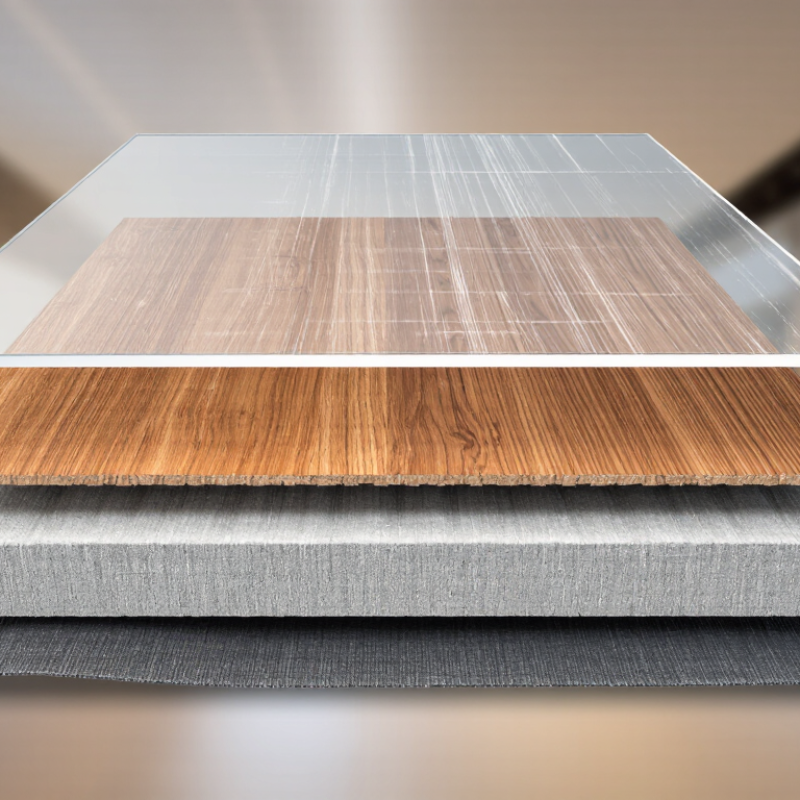
A four-layer SPC structure is a rigid flooring system built for stable, demanding environments. SPC means Stone Plastic Composite, a dense core made from mineral powder and polymer. Its structure usually includes four functional layers: a UV protective coating, a transparent wear layer, a printed decorative film, and the SPC core.
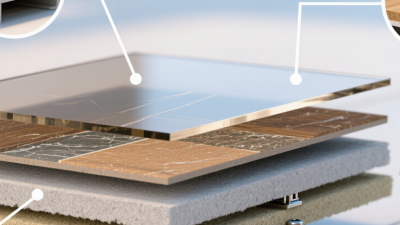
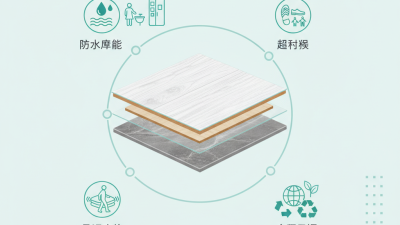
The UV coating helps reduce fading from sunlight and supports easier cleaning. Below it, the wear layer resists scratches, scuffs, and daily foot traffic. The decorative film creates wood, stone, or concrete visuals without using natural materials. The rigid core provides dimensional stability and helps the floor resist dents from furniture. In global projects, this layered design can support consistent installation across offices, retail areas, and residential developments. Yet it is not flawless. Subfloor moisture, uneven surfaces, and poor expansion planning can still cause problems.
Tips: Check the wear-layer thickness against expected traffic. Confirm the core density and locking tolerance before large-scale purchasing. Leave suitable expansion gaps around walls and fixed objects. Follow local installation requirements, especially in humid regions. Samples should be tested under real lighting, not only photographed. Small differences in texture may appear between production batches. That detail is easy to overlook.
Key Benefits for Performance, Safety, and Durability
Why Choose Four Layer SPC Structure for Global Projects?
Key Benefits for Performance, Safety, and Durability
A four-layer SPC structure combines a UV coating, wear layer, decorative film, and rigid stone-plastic core. Each layer has a practical role.
The UV coating helps resist fading from sunlight and routine cleaning. The wear layer protects the surface from office chairs, trolley wheels, and daily foot traffic.
Small details matter on busy sites.
The decorative film creates realistic wood or stone patterns without sacrificing installation consistency. Beneath it, the rigid core supports dimensional stability across changing temperatures.
This is useful for projects moving between humid coastal areas and dry inland climates.
However, SPC is not indestructible. Uneven subfloors, heavy impact, or poor expansion planning can still cause problems.
Safety depends on more than the material itself.
A properly tested surface can support slip-resistance requirements, while low-emission construction may improve indoor air quality. Installers should check local standards, room conditions, and maintenance chemicals before approval.
That step is often overlooked.
In healthcare, education, hospitality, and retail spaces, the sealed surface can simplify cleaning and reduce areas where dirt collects.
Reliable performance also requires accurate acclimation, careful joints, and suitable underfloor preparation. Four layers offer a strong foundation, but workmanship still decides much of the final result.
Factors to Consider When Selecting a Four-Layer SPC System
Why Choose Four Layer SPC Structure for Global Projects?
Selecting a four-layer SPC system requires more than comparing thickness and price. The structure usually combines a UV protective layer, wear layer, decorative film, and rigid SPC core. Each layer serves a different purpose. The wear layer controls abrasion resistance in busy corridors and retail spaces. The core supports dimensional stability under temperature changes. Grand View Research reported continued growth in global luxury vinyl flooring demand, driven by commercial renovation and water-resistant materials. That growth raises quality expectations. A cheaper structure may look acceptable initially, yet show edge movement or surface wear later.
Project conditions should guide the specification. Check wear-layer thickness, core density, click-lock precision, and dimensional testing. Review performance under heat, humidity, and repeated rolling loads. ASTM and ISO test results are more useful than vague claims. Installation also matters. Uneven subfloors can transfer stress through the rigid core. In global projects, confirm local fire, slip, emissions, and acoustic requirements before shipment. Requirements differ by region. Sometimes, this is overlooked.
Tips: Request complete technical sheets and independent test reports. Compare samples after heat and water exposure. Ask for batch consistency data, not only one attractive sample. A thicker layer is not automatically better. Real performance depends on balanced design, careful installation, and suitable maintenance. Mistakes happen when specifications are copied between climates without review.
Why Choose Four-Layer SPC Structure for Global Projects?
Factors to Consider When Selecting a Four-Layer SPC System
Wear Layer — 0.30 mm
Supports resistance to abrasion, traffic and routine maintenance. The required thickness should follow the project's use class and traffic level.
Decorative Film — 0.10 mm
Provides the visual finish while allowing consistent patterns across multiple markets and project phases.
SPC Rigid Core — 5.00 mm
Forms the main structural layer. Dimensional stability, locking performance and subfloor tolerance are key selection criteria.
Balancing Layer — 0.60 mm
Helps balance the board and may improve installation comfort and acoustic performance when an attached backing is specified.
The chart shows a representative nominal 6.00 mm four-layer SPC build-up: 0.30 mm wear layer, 0.10 mm decorative film, 5.00 mm rigid core and 0.60 mm balancing layer. Actual specifications should be confirmed through project requirements and applicable standards, including EN ISO 10582, EN 14041 and EN 13501-1 where relevant.





 Send Email
 whatsapp
 Whatsapp
