INQUIRY
Leave Your Message

How to Choose Stone Plastic Composite Flooring?

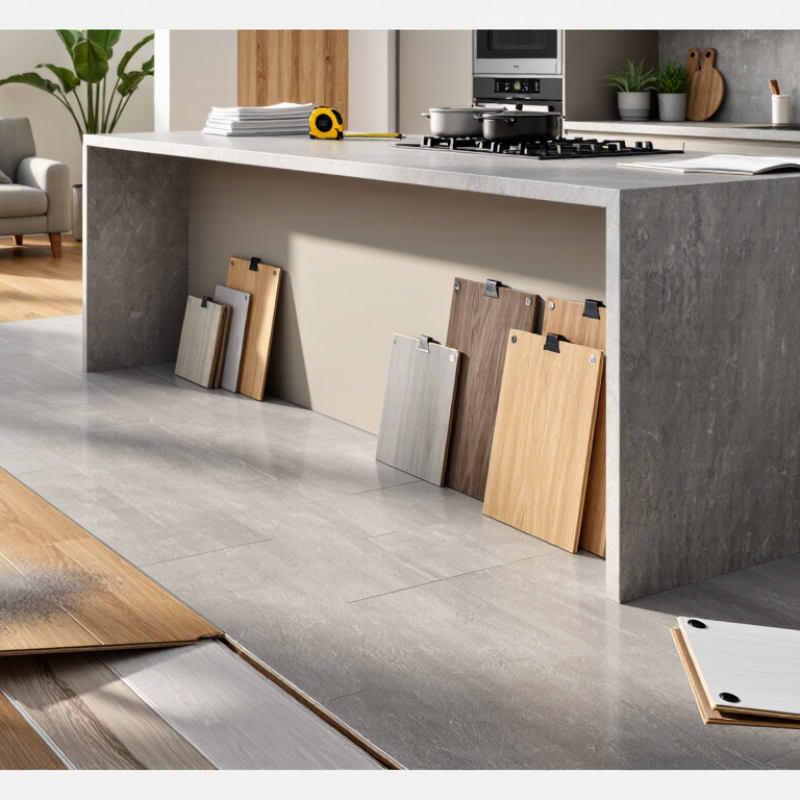
Stone Plastic Composite Flooring can look convincing under bright showroom lights, yet a sample may feel different beside a cold kitchen island. Choosing well means looking beyond color. Compare the wear layer, total thickness, locking profile, surface texture, and the manufacturer’s installation guidance. Check whether the product suits your subfloor and room conditions. A thick plank is not automatically the better plank.

A transparent note on the requested quotation: I can’t verify a real industry expert’s wording from the material provided. Rather than invent an attribution, here is an original editorial line: “Choose SPC flooring for the room you have, not the room pictured on the box.” It is a practical reminder, not a sourced quotation. A qualified flooring professional can assess the specific product and site before purchase.

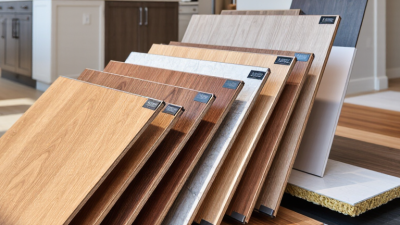
Bring home several samples. View them in morning light and under evening lamps. Run a chair leg across a protected sample, and notice whether the texture hides dust or highlights it. Ask retailers for the technical data sheet, warranty terms, and clear instructions for expansion gaps and subfloor preparation. Small print matters. So does the installer’s experience. Even careful planning has limits: room humidity, uneven floors, and rushed preparation can affect performance. The sections ahead explain how to compare these details, spot trade-offs, and select Stone Plastic Composite Flooring with realistic expectations.
How to Choose Stone Plastic Composite Flooring?

Understand Stone Plastic Composite Flooring and Its Key Features

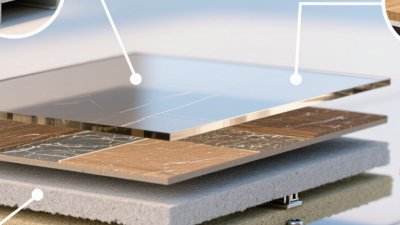
Stone plastic composite flooring has a rigid core made mainly from mineral filler and PVC. A printed film gives it the look of wood or stone, while a clear wear layer helps resist everyday scuffs. Many products also include an attached underlay. Construction varies, so check the product specifications rather than assuming every plank performs alike.

Rigid, but not invincible. The dense core usually resists dents better than softer vinyl, and the planks are dimensionally stable in ordinary indoor conditions. Still, a chair leg can mark the surface, and direct sunlight may affect its color over time. Water resistance is useful near kitchens, but seams and room edges can still let water through. I would not treat every SPC floor as fully waterproof.

When comparing samples, inspect the locking edges and wear-layer thickness, then handle a plank under good light. A slightly textured surface may feel more convincing than a glossy print. Ask what floor preparation is required: grit, dips, or uneven boards can cause movement or clicking underfoot. Small details matter. Also consider room temperature and underfloor heating limits, which differ by product. A sample looks tidy on a desk; the real test is how the installed floor feels across a whole room.

Assess Room Conditions, Traffic, and Moisture Exposure

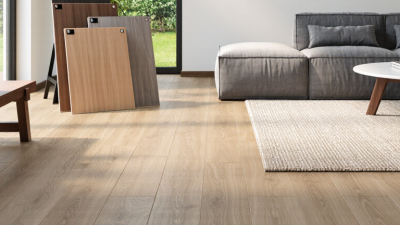
Room conditions should guide the choice of stone plastic composite flooring, not appearance alone. In a sunlit kitchen, note where afternoon light hits and whether the room overheats. Temperature swings can affect expansion gaps and plank movement. The U.S. Environmental Protection Agency’s A Brief Guide to Mold, Moisture and Your Home recommends keeping indoor relative humidity below 60%, ideally between 30% and 50%. That range helps manage dampness, but it does not make a floor waterproof at every joint. Check the product’s stated temperature and installation limits. Small details matter.

Traffic changes what “durable” means. A quiet guest room sees different wear than an entry where grit gets tracked in daily. Think about chair legs, pet claws, and wheeled office chairs; a textured mat can trap abrasive dirt before it reaches the floor. In bathrooms or laundry rooms, inspect seams and perimeter edges, where standing water may find its way underneath. For concrete slabs, ASTM F2170 describes in-situ relative-humidity testing; compare test results with the flooring instructions before installation. A damp-looking slab is not a reliable measurement. It is tempting to judge moisture by touch, but that shortcut can miss hidden humidity. Check the room, the subfloor, and the expected foot traffic together.

How to Choose Stone Plastic Composite Flooring

Assess room conditions, traffic, and moisture exposure before selecting SPC flooring.

Illustrative screening ratings: 1 = low exposure and 5 = high exposure. Entryways and bathrooms often need closer product and installation checks. SPC flooring is water-resistant, but seams and the subfloor can still be affected by moisture. Check subfloor condition, installation requirements, and the product’s wear layer for your household’s needs.

Compare Wear Layers, Core Thickness, and Surface Finishes

When choosing stone plastic composite flooring, compare the wear layer, not just the advertised total thickness. A 12-mil (0.3 mm) wear layer may suit a quiet bedroom, while a 20-mil (0.5 mm) layer is a more cautious choice for busy hallways or homes with pets. These figures are common product specifications, not a guarantee of service life; cleaning habits and grit at the entry matter too. ASTM F3261-24 provides a standardized framework for evaluating resilient flooring with a rigid polymeric core, so check whether the product’s performance claims are supported by test documentation. A thicker layer can help resist scuffs, but it cannot make a weak locking joint strong.

Core thickness affects underfoot feel and how the floor handles minor subfloor variation. Many SPC planks fall around 4–7 mm overall, but thicker does not automatically mean better. Inspect the click edges and ask about required subfloor flatness. Surface finishes matter in daily use: embossed-in-register textures can mimic wood grain, while a matte finish may make small scratches less obvious than a glossy one. Still, deep texture can trap crumbs. I would bring home a sample and test it under a chair leg, then wipe it clean. That small test is imperfect, but more useful than judging a showroom plank under bright lights.

Check Installation Requirements and Product Certifications

Before choosing stone plastic composite flooring, read the installation guide for the exact product. Check approved subfloors, acclimation instructions, expansion gaps, and room-temperature limits. Many guides allow no more than 3/16 inch of unevenness over 10 feet, but this tolerance is not universal. Concrete moisture should be tested, not guessed from a dry-looking surface; ASTM F2170 describes in-situ relative-humidity testing. I still double-check the limits, because one overlooked slab condition can lead to shifting joints or lifted edges.

Product certifications matter too. Ask for current emissions documentation and confirm that the certificate covers the exact flooring construction, not just a similar product. The U.S. EPA estimates people spend about 90% of their time indoors, making material-emissions information relevant to indoor air quality. Look for test reports based on recognized methods, such as California’s CDPH Standard Method, and check that the testing laboratory is accredited. A logo alone is not enough; request the report number and scope.

Tip: Before delivery, photograph the subfloor and record moisture-test results. Keep the documents with the installation guide. Check transitions, door clearance, and radiant-heating limits on site; small details are easy to miss, even with careful planning.

Evaluate Samples, Warranty Coverage, and Overall Cost

Take sample boards home and view them beside your cabinets in morning and evening light. A color that looks warm in a showroom may appear gray under cool LEDs. Check the surface texture, printed pattern, and locking edges, not just the top color. If possible, click two pieces together and walk over the joint. Small gaps can become noticeable across a larger room.

Read the warranty before comparing prices. Check how long residential coverage lasts and whether it includes wear, stains, or water damage. Some warranties exclude problems caused by uneven subfloors, excessive moisture, or incorrect installation. Keep the receipt and installation instructions; paperwork matters if you need to make a claim. A long warranty is not automatically useful if its exclusions are broad. That part is easy to overlook.

Estimate the full project cost, not only the price per square foot. Include underlayment if required, floor preparation, trims, delivery, and installation labor. Measure carefully, then allow extra material for cuts and future repairs. Ask whether the quote includes removing old flooring and moving furniture. I would compare at least two written estimates, though estimates can still miss hidden subfloor repairs. Leave room in the budget for surprises. A cheaper carton may cost more once the details are counted.